
How to Choose a Construction Site Location?
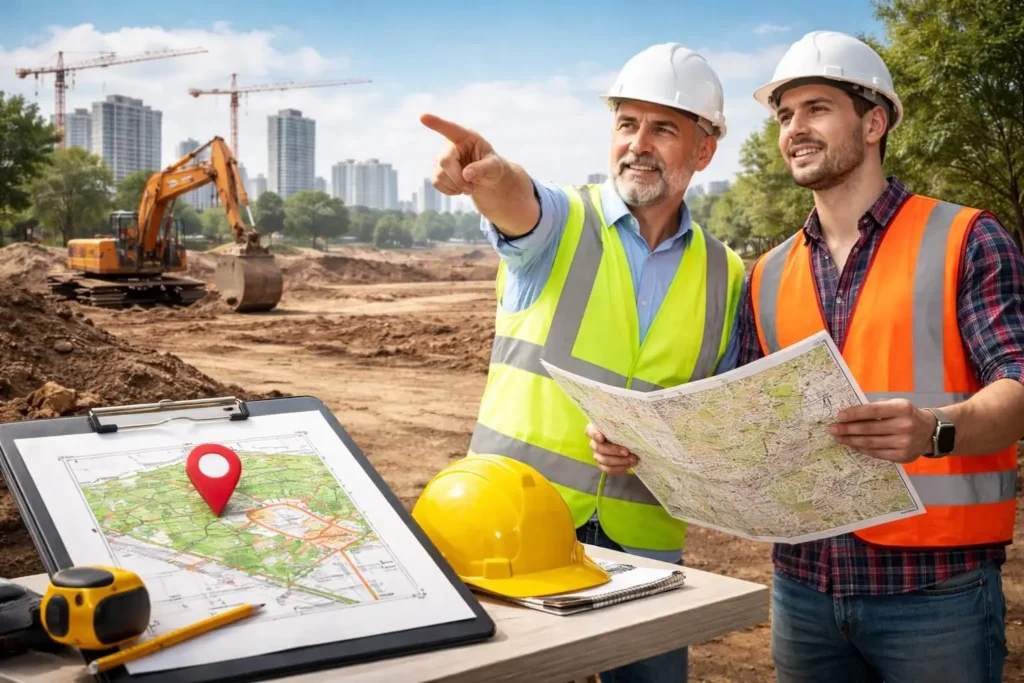
Many people wonder that how to choose a construction site location? as the safety, stability, and long-term use of a building depend on where it is. A good site can support the strong foundations, make it easy to get to, and fit the project’s requirements. If you make a bad choice, it can cost a lot of money, take a long time, and cause problems with the structure later on. People can make smart decisions before any building work starts if they know about these things. Planning ahead helps you to the avoid mistakes that might be hard or costly to fix once construction starts.
The site location affects every part of the project from the start. This will affect the design, materials, drainage, road access, and how comfortable the building will be for future users. People can avoid the risks and build with confidence when they take their time and look closely at the land. A well-planned project will last for years and meet the requirements of family, community, or business that depends on it.
Why The Environment Around You Is Important
The area around a building that is going to be built has a big impact on how well the project will go. It can be hard to live on land that is close to water, hills, or busy roads. Water could pool at the base of the building, the ground could shift, and noise could bother people who use the building. A safe and stable site fixes these problems and keeps the project on track. When the environment supports the building, workers are also safer while it is being built.
The environment also has an effect on how comfortable things will be in the future. A place that gets natural light and fresh air is better for your health. Too much shade, pollution, or poor visibility can lower the value of a building. Builders can avoid problems that last a long time by thinking about the weather, the land around them, and the natural features of the area. It’s easier to take care of a place that fits the environment well, and it works better.
How The Soil And Ground Conditions Affect The Project
The weight that a building can hold depends on the soil underneath it. Some soils stay solid, which keeps the structure safe, while others move, crack, or soak up water too easily. If the soil is bad, the foundations may need to be stronger or more support may be needed. This makes the things more expensive and takes longer. Testing the ground early shows the builders that what it can and can’t do, which helps them make good plans. The strong soil makes things stable and safe from the start.
The level of the ground also has an effect on drainage. A site which is too low may hold water, which can damage the materials used to build the building. If a site is too high, it could erode. Builders can select the best design if they know how the ground reacts to rain, heat, or freezing weather.
Access, Roads, And Future Growth
A good construction site is easy for workers, vehicles, and equipment to reach. If the road is too narrow or bumpy, it is difficult to move materials. This makes the project take longer and costs the more. Smooth access keeps deliveries on time and keeps workers safe. The building’s location should also make it easy for emergency vehicles and service providers to get there quickly once it’s done.
Some places will grow by adding new homes, stores, and services. Some places may stay quiet or even get worse. Over time, a place that can grow in the future usually becomes more valuable. In the next few years, builders should think about how roads, utilities, and land nearby might change. Planning for the future growth makes a space that will be useful and practical for a long time.
Taking Safety And Natural Risks Into Account
Safety always should come first. There can be the hidden dangers at a site near steep slopes, flood zones, or places with strong winds. Building in these places needs extra steps to keep workers and future users safe. Knowing how storms, earthquakes, or seasonal changes usually happen helps builders get ready. Taking care of safety risks early on makes the project stronger and more reliable.
Natural risks don’t always stop the construction, but they do require the careful planning. You can make things safer with using the drainage systems, strong foundations, and barriers. Knowing the history of the land helps the builders make good plans. People who use the building feel the safe when the site meets safety standards. A safe site keeps you from having to make emergency repairs and provides you peace of mind for a long time.
Why Legal Requirements And Permissions Are Important
Local rules must be followed on construction sites. If you select a site without checking these needs, so the project could be stopped. Builders can avoid the delays and unexpected changes by looking over the laws early. A place that meets the law makes everything go more smoothly. Permissions also have an effect on things like water, electricity, and sewage.
Before some sites can connect to these services, they need special permissions. Builders can better plan costs and timelines if they know what these needs are. When the site meets all legal requirements and gets the right approvals, construction can go ahead without any problems. This makes a base that will hold up the project from beginning to end.
Read more: How to Hire Construction Workers?
Structural Parts That Are Present In A Good Site
- Ground that is stable and can support strong foundations without major reinforcement.
- A design that lets the building get natural light and fresh air.
- Space around the building that makes it easy to park, walk, and get to utilities.
- A clear line that separates the property from the rest of the area and follows all local rules and zoning limits.
- Land around the building that sends rainwater away from it instead of toward it.
- During the construction phase, there should be enough open space for workers, storage, and equipment.