
How to Read Construction Plans
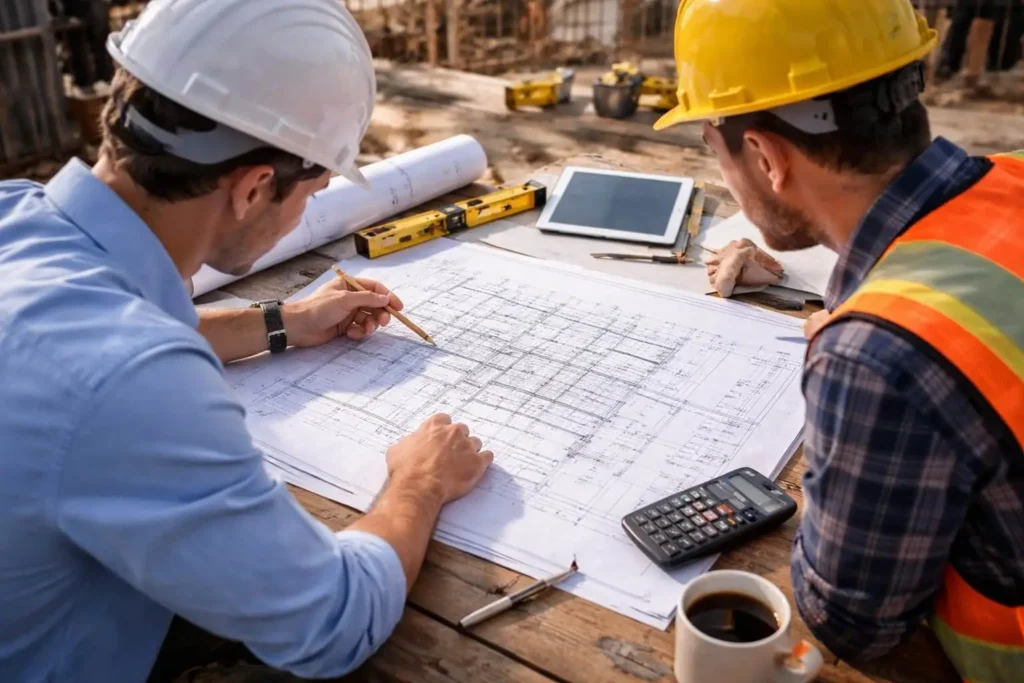
When people first look at building drawings with a lot of lines, symbols, and notes, they often feel confused. Learning how to read construction plans helps homeowners, students, and beginners understand what is being built and how the work should go. These plans are like a clear map for a project. They show the sizes, materials, and basic instructions for each room so that everyone knows what to do from start to finish.
Knowing how to read these drawings makes building less stressful and more predictable. You don’t have to be a pro builder to learn the basics. You can ask better questions when you can read plans. Talk clearly with contractors and spot problems early on. This saves you time, money, and effort. It also helps you feel more sure of yourself when you look back on your progress or plan changes during a project.
Knowing what building drawings are for
Before construction starts, building drawings show what a structure should look like. They tell you where to put the doors, windows, walls, and rooms. These drawings help workers put things together in the right place and size. Workers would have to guess without them, which could lead to mistakes. Each line, symbol, and note helps guide the work.
These drawings also help keep the project on track from start to finish. Builders use them to plan their daily work and order supplies. Inspectors use them to make sure the work is done according to the rules for building. Designers use them to make their ideas clear. The project goes more smoothly when everyone uses the same drawings. Knowing what these drawings are for will help you understand why details are important and why changes need to be made carefully. Learning Common Signs and Symbols
To keep plans neat and easy to read, construction drawings use symbols. A simple shape could mean a light, a sink, a door, or a window. Using symbols saves space and keeps notes short. Most plans have a key that tells you what each symbol means. If you look at legend first, you’ll be able to understand the rest of the drawing more quickly. These symbols might look confusing at first. You will notice that many symbols show up on different plans after you practice. Thick lines normally show walls, while thin lines show things like cabinets or fixtures. Arrows show you where to go, and circles with numbers show you where to find more information on another page. Learning these symbols can help you feel less stressed and make reading plans feel more natural over time.
How to Read Measurements and Scales Right
Measurements tell you how big or small each part of a building should be. They show the length, width, and height of doors, windows, and walls. The scale shows how big the drawing is compared to how big things are in real life. For instance, one inch on paper could stand for several feet in the actual building. This helps drawings fit on a page while still showing the right sizes.
Before you decide how big something is by looking at the drawing, always check the scale. It’s better to write down the numbers on the plan than to guess. Reading carefully can help you avoid making mistakes like making a room too small or a wall too short. Knowing how to measure things also helps you picture how much space you’ll have when the project is done.
The Main Reasons to Understand Building Drawings
- Gives you a clear picture of the final project
Understanding building drawings helps you see what the finished structure will look like before work begins. You can understand room sizes layout and placement of doors and windows. This makes it easier to know if the design meets your needs and expectations.
- Makes communication with builders much easier
When you understand the drawings you can talk more clearly with builders workers and contractors. You can point to specific areas on the plan instead of guessing. This reduces misunderstandings and helps everyone stay on the same page.
- Reduces mistakes and costly changes
Many construction errors happen because plans are misunderstood. Knowing how to read drawings helps you spot problems early. Fixing the issues early costs less than making changes after work has started or finished.
- Builds confidence when reviewing plans and progress
Being able to read the plans helps you to feel more confident, when checking work on site. You can compare the drawings with what is being built and notice if something looks wrong. This confidence helps you to stay involved and informed.
Understanding the Different Types of Plan Views
Different views of the plans show the whole design. When you look at a top view, you see the layout as if you were looking down from above. This view helps you figure out where to put doors and hallways in a room. Because it shows the whole layout clearly, it’s often the first view people learn to read.
Side views show how tall and wide walls, roofs, and floors are. These views show how tall things are and how they fit together. Detail views let you see small areas up close, like the corners or joints of stairs. They show how the pieces fit together. You can learn more about the whole project by reading different points of view together instead of just one.
You may like to read: What Is Shoring in Building Construction?
Following Notes and Written Directions
Notes add information that drawings alone can’t give. They list the materials, how to build things, and any special rules. Some notes are about the whole project, while others are only about one part of it. Most of the time, these notes are put close to the area they talk about so that people can find them more easily.
It is very important to read notes carefully. If you don’t do them, you might make mistakes, take longer, or have to pay more. Notes tell you things like what kind of material to use or how to put something together. When you use both drawings and notes, you get clear, complete instructions. This helps everyone do their job right and keeps things from getting mixed up during construction.