
The Hidden Risks of Long Term Lumber Storage on Construction Sites
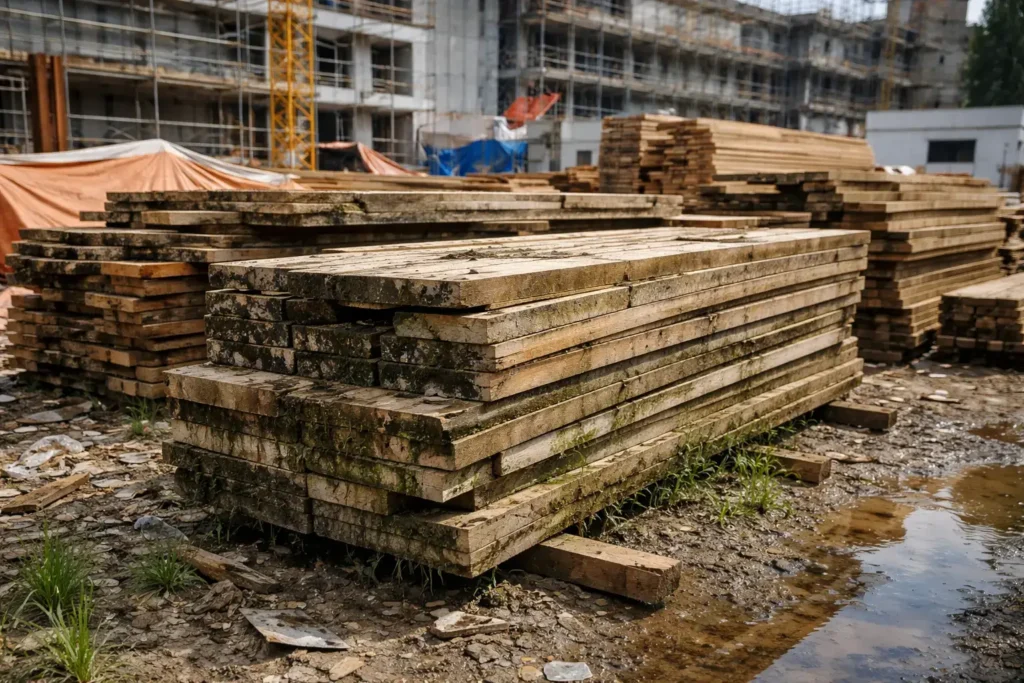
A lot of contractors focus on getting good lumber, but they forget what can happen when wood sits on a job site for too long. The hidden risks of long term lumber storage on constructionsites can cause problems with a project before it even starts. Even though lumber looks strong on the outside, bad weather, moisture, and rough handling can slowly break it down. These problems that aren’t obvious can make things unsafe, cost more, and take longer.
In busy construction sites all over the United States, materials are sometimes delivered early and kept for weeks or even months. Wood can warp, rot, attract bugs, or lose strength if it isn’t protected properly. Contractors can protect their materials, budgets, and project timelines by knowing about these risks. Every builder should know about these six important issues.
Problems with Warping and Damage from Moisture
Wood reacts to moisture in the air on its own. Wood that is left outside for a long time absorbs rainwater and humidity. When the humidity rises, boards can swell, bend, or twist. Installing warped wood can be hard, and it might not fit correctly in a building.
Repeated wet and dry cycles put stress on the wood fibers over time. This makes the material weaker and less strong. Even small changes in shape can make walls or floors uneven. Contractors may have to replace damaged boards, that costs more and takes longer to finish the project. Covering things properly and raising them off the ground can help keep them dry.
Health Risks and Mold Growth
Mold grows best in places, which are damp and stay that way for a long time. Dark spots or fuzzy patches on the wood surface are common signs of mold. Some surface mold can be cleaned, however mold that grows deeper may hurt the wood’s structure.
Mold doesn’t just hurt the wood. It can also be bad for the health of workers. Mold spores in the air can cause allergies or problems with breathing. If moldy materials are used in residential construction, they can cause big problems for people who live there later. To avoid mold problems, it’s important to keep wood dry and well-ventilated.
Damage to the structure and pests
Termites, carpenter ants, and beetles are some of the bugs, which can get into stored wood. The wood may already be weak by the time it is found. Rodents might also chew on stacked wood to make nests. Wood that has bugs in it should not be used in structural framing. Replacing materials that are damaged slows down work and costs more. Regular checks and storing things properly, so they don’t touch the ground can help lower the risk of pests.
Cracks in the surface and sun exposure
Lumber can dry out very quickly in direct sunlight. Wood can crack along the grain if it dries out too quickly. These cracks weaken the boards and make them less reliable for holding up weight. UV rays also change the color and feel of wood.
However, the color fading may not seem like big deal, it can hurt finishes and coatings later. Keeping wood in the shade or under protective covers helps keep it in good shape. To keep things from getting too dry or too wet, it’s important to have balanced airflow.
Over time, the structure gets weaker.
Wood is a strong and reliable material for building, but it gets weaker when it is exposed to bad weather for a long time. It can hold less weight if it is constantly wet, the temperature changes, or it is stacked on top of other things.
Framing with weakened lumber may not work as well as expected. This makes the whole building less safe. Engineers and inspectors may not accept materials that are not up to code. Keeping lumber from being exposed to the weather for a long time will keep it strong and reliable.
Delays in the project and effects on finances
Damaged wood can often cost more than you think. Contractors may have to order more materials, pay for disposal, and change their schedules. Delays don’t just affect the current project; they also affect future commitments.
Claims for damage to property can raise premiums. If the quality of the work suffers, clients may lose faith. Planning when to deliver and how to store materials carefully can help keep both the materials and the business’s good name safe. It costs less to stop damage than to buy new materials.
Safe Ways to Store Lumber
Instead of putting lumber directly on the ground, put it on raised platforms to lower the risk. Use covers that keep water out but let air flow through. Don’t seal wood in plastic without letting air in, because moisture can get trapped and cause mold.
Bring materials closer to the time they will be needed. This cuts down on how long things are stored and how much they are exposed to. Check your wood regularly for early signs of damage. To keep stacked boards from getting too much stress, teach workers how to handle materials carefully. Storing things properly keeps them safe, high quality, and profitable.
Read more: How AI Is Changing Modern Construction in 2026?
Questions that are asked a lot
How long can wood safely stay on a construction site?
It depends on the weather and how you store it. Lumber can last for weeks in dry, safe places. Without proper covering, damage can start within days in wet climates.
Can warped wood be fixed?
In some cases, minor warping can be fixed, but boards that are severely twisted usually need to be replaced to keep the structure safe.
Does pressure-treated wood hold up to damage while in storage?
Even though pressure-treated wood is better at keeping insects and rot at bay, it can still warp or crack if it is not stored properly.
What is the biggest danger of storing lumber for a long time?
The biggest threat is often moisture damage, which causes warping, mold growth, and loss of strength.
Is it less expensive to buy lumber in bulk or in stages?
Ordering in stages often lowers risk because the materials are only exposed to the weather for a shorter amount of time.
Keeping wood dry is only one part of proper lumber storage. It’s about keeping the structure strong, the workers safe, and the whole project on track. Making smart storage choices today will save you money tomorrow.