
The Uses of Drones for Accurate Construction Takeoff in 2026
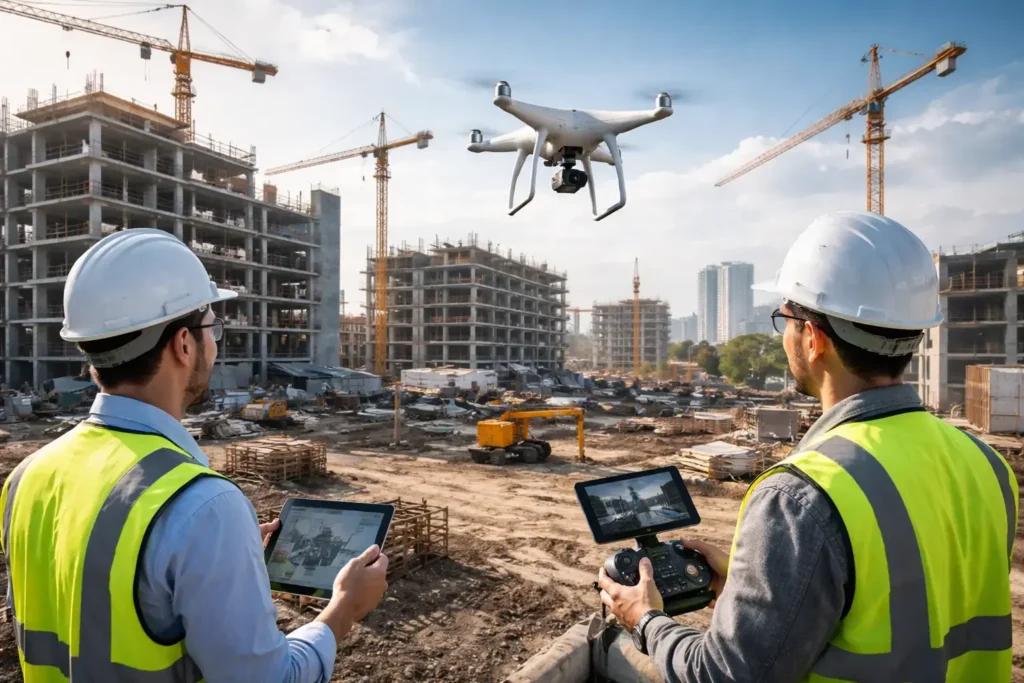
One of the biggest changes in construction work in the U.S. is the use of drones. These little flying machines are now making it much easier for builders to gather information about the site. People who ask about the uses of drones for accurate construction takeoff in 2026 really want to know how work has gotten faster, safer, and more accurate. Drones are now a normal part of planning, not just a special tool.
Contractors won’t have to rely on manual measuring methods alone in 2026. Drones can fly over a site, take clear pictures, and use that information to make precise measurements. This helps teams make better guesses and stay away from mistakes that cost a lot of money. Projects move forward with more confidence and less confusion when they have better information at the start.
Quick Site Checks That Don’t Take Up Time
Before drones were common, survey teams had to walk all over the site. This could take a long time, especially if the land is big or uneven. A drone can now cover the same area in a short amount of time. It flies above the ground and takes pictures of every part of the area.
This speeds up the early planning a lot. The teams can quickly look over the whole site layout and move on to the next step. When the deadlines are tight, faster site checks are also helpful. Contractors can start planning almost right away instead of waiting days for measurements.
Better Planning with More Accurate Measurements
In construction, it’s very important to have the right numbers. If the measurements are even a little bit off, you might order too much or too little material. Drones help with this problem by getting very detailed information from above.
Drones take pictures, and software uses those pictures to figure out distances, areas, and volumes. This makes it less likely that people will make mistakes. Contractors can plan better and avoid waste, when they trust their numbers. Better measurements make for better budgets and smoother project flow.
Collecting Data Safely in Dangerous Places
It’s not always easy to get around on construction sites. Some places might be steep, muddy, or dangerous for the workers. Workers used to have to go into these areas to take measurements. This made accidents more likely.
Drones solve this problem by doing the work from the sky. They can still get the information they need even if they fly over dangerous areas. The job gets done while workers stay safe. Drones are a good choice for projects that need to go over rough ground or into high-risk areas.
Updates in Real Time While the Project
As work on the construction projects goes on, things often change. To make good decisions, managers need to know what’s going on right now. You can use the drones at different points in the project to take new pictures and keep the track of how things are going.
These updates help teams see how the work they did compares to the plan. Changes can be made early if things don’t go as planned. This cuts down on delays and keeps the project on the schedule. The real-time data keeps everyone up to date and helps them to work together better.
Making the smarter choices will lower costs.
Using drones might seem like an extra cost at first. However they actually help you save money in a lot of ways. Less rework and less wasted materials are possible when you have accurate data.
Drones also make it less necessary to have big survey teams. One operator can do jobs that used to take a lot of people. This cuts down on labor costs and makes things run more smoothly. These savings can add up over time and have a big impact on project budgets.
Clear Pictures for Better Understanding
Drones take clear pictures and videos that show the whole construction site from above. Both the team and the client can use these pictures. Instead of using words to explain things, builders can show real pictures.
This makes it easier to talk to each other. Clients can see how things are going without going to the site, and managers can explain their plans more clearly. Good pictures help everyone understand the project better and make things less confusing.
Easy Steps to Use Drones for Building Takeoff
Step 1: Make a detailed plan for the drone flight.
The team looks at the site and decides how the drone will move before it flies. This makes sure that all of the important areas are covered.
Step 2: Get Clear Pictures From Above
The drone flies over the area and snaps a lot of pictures from different angles. These pictures are what all the measurements are based on.
Step 3: Make data out of pictures
The pictures are processed by special software that turns them into measurements. It does a good job of figuring out distance, area, and volume.
Step 4: Make sure the results are correct.
The team checks the data to make sure that everything is right. They can fly the drone again if they need to to get more information.
Step 5: Use the information to make plans and guesses
The last set of data is used to make lists of materials and cost estimates. This gives the project good and reliable information to start with.
Things to Think About When Facing Challenges
Drones are very useful, however they aren’t perfect. Weather can change flights, especially when it’s windy or rainy. People who run drones also need to be trained properly so they can use them safely and correctly.
In the United States, there are also rules and permissions to follow. Before using drones at work, companies need to make sure they follow the rules in their area. If you plan ahead, you can handle these problems without too much trouble.
Read more: 5 Mistakes to Avoid During Material Acquisition in 2026.
The Future of Drones
After 2026, drones will probably be used even more in construction. New features and better software will make it easier to collect and use data. Builders can make systems even smarter by using drones with other technologies.
This way of doing things will become normal in construction as more and more companies use it. People who start using drones early will be better ready for what comes next.