
What Are The Responsibilities Of Construction Workers
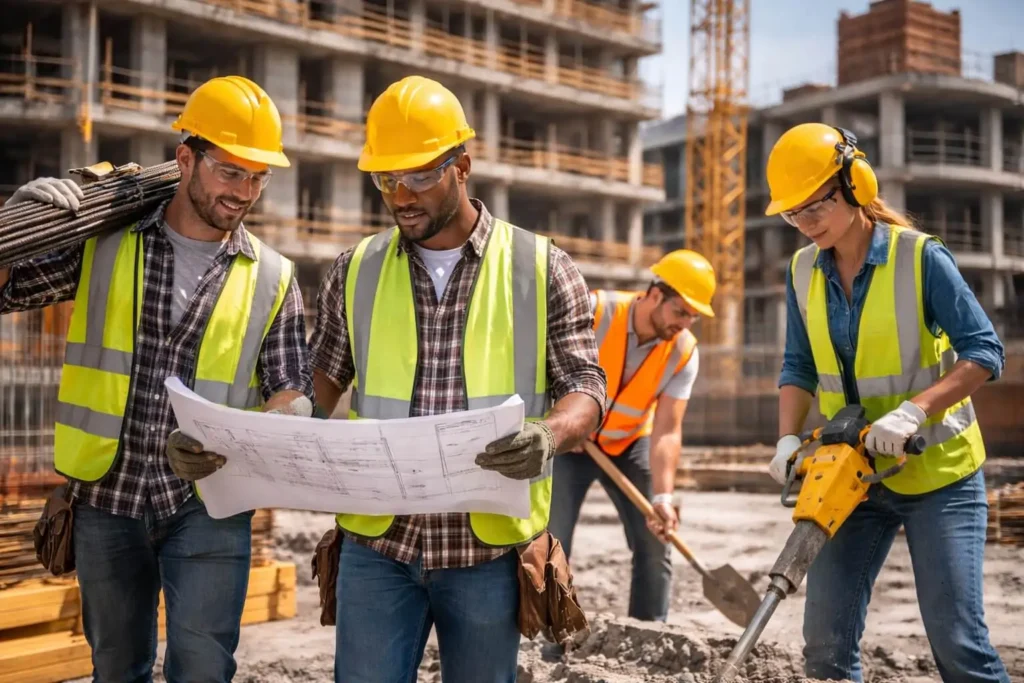
Construction sites rely on the skilled people who turn plans into real buildings. This guide explains what are the responsibilities of construction workers in a clear and simple way for readers who want to understand the job. These workers help shape homes roads and workplaces through daily effort teamwork and care. Their role supports safety quality and progress on every project they join.
Construction work is more than lifting tools or using machines. It requires focus respect for rules and steady learning each day. From early planning to final checks, workers stay active and alert. They follow the guidance, share tasks, and solve problems together. Understanding these duties helps future workers employers and students see why this job matters so much. It builds trust pride and long term skills across the industry.
Site Safety and Personal Care
Safety is a daily focus on every site. Workers wear proper gear and check tools before use. They watch their steps and keep the areas clean to prevent the falls. Clear signs and barriers help to guide movement and protect others. When risks appear workers report them fast. This steady attention lowers injuries and keeps projects moving. Safe habits also protect equipment and nearby people. By following rules and training lessons workers create a secure place where everyone can work with confidence. Regular meetings and reminders support the awareness and encourage smart choices during busy tasks for all crew members on site daily now.
Personal care also matters for long shifts. Workers manage rest water and posture to avoid the strain. Lifting is done with care and help when loads feel heavy. Breaks allow muscles to recover and minds to stay sharp. Clean hands and safe storage reduce the illness. Workers look out for every other and speak up when someone seems tired. This shared care builds trust. Over time healthy habits support the long careers and better results for the whole team. Simple routines practiced daily keep energy steady and help prevent common job injuries which slow progress and raise costs for everyone involved on site.
Reading Plans and Following Instructions
Workers often begin by reviewing the drawings and notes. These guides show sizes, materials, and steps required for the every task. Careful reading helps to avoid mistakes and saves time later. When plans change, workers listen closely and adjust their work. Asking questions is encouraged to clear the confusion early. This attention to detail helps match the final result with the original idea. Accurate work also supports inspectors and managers during checks. By respecting plans workers help the project to stay on track and meet expected standards set at the start.
Clear instructions from leaders guide daily tasks. Workers follow the schedules and step by step directions. This order keeps the teams moving together without any conflict. When tools or supplies are missing workers report issues quickly. They also share updates about the progress or delays. Good communication stops rework and waste. It builds respect between teams and leaders. Over time this habit improves the speed and quality. Projects finish smoother when everyone understands their role and follows clear guidance with care.
Using Tools and Materials Correctly
Construction work involves many tools and materials. Workers learn the proper use through training and practice. They choose the right tool for every task to avoid the damage. Clean and stored tools last longer and work better. Workers inspect cords blades and handles before use. This care reduces the breakdowns and keeps work flowing. Materials like wood concrete and steel are handled with respect. Proper use helps control costs and limits waste on site. Skilled handling also improves look and strength of the finished work.
Materials must be measured and placed with care. Workers follow mixing and setting times closely. Rushing can weaken results and cause delays later. By staying patient workers make sure strong bonds and smooth surfaces. They protect materials from weather and dirt. Teamwork helps move heavy items safely. This shared effort speeds up the tasks without harm. Over time careful handling builds pride in craftsmanship and earns trust from leaders and clients alike.
Teamwork and Communication
Construction sites rely on teamwork every day. Workers support each other by sharing tasks and space. Clear talk helps avoid collisions and confusion. Simple signals and calls guide lifts and movements. The respectful behavior keeps the stress low during busy hours. When problems arise teams discuss the solutions together. This open approach builds the trust and keeps morale high. Strong teamwork allows the crews to handle the tough tasks safely and on time.
Good communication also links workers with leaders. Updates about progress help plan next steps. Workers report issues before they grow into delays. Listening is as important as speaking on site. By paying attention workers catch details others miss. This shared awareness improves the safety and quality. Over time, strong communication creates a smooth rhythm. Projects benefit when everyone stays informed and connected throughout the day.
Maintaining Quality Standards
Quality work requires focus and patience. Workers inspect the measurements and alignment often. Small errors fixed early prevent big problems later. Clean finishes show care and the skill. Workers follow the guidelines to meet building codes. These standards protect users and ensure long lasting results. Pride in work pushes the teams to do their best. Quality checks also help projects pass reviews without delays.
Consistency matters across all tasks. Workers repeat good habits each day. They compare work with plans and samples. When results fall short they correct them quickly. This honesty saves the time and builds trust. Over time, this focus leads to the strong reputations. High standards bring more opportunities and steady work for skilled teams.
Read more: How to Read Construction Plans?
Adapting to Changing the Conditions
Construction sites change often. Workers stay flexible and adjust the tasks as required. They move to safe the indoor work during the storms. This ability keeps the progress moving despite challenges. Learning to adapt reduces stress and keeps teams productive.
New tools and methods also appear over time. Workers learn and improve through training. They accept feedback and try better ways. This growth supports safer and faster work. Adapting helps workers stay valuable in the field. It also supports long term careers. Projects succeed when crews respond well to change and keep a positive mindset.