What Is A Construction Site Safety Audit?
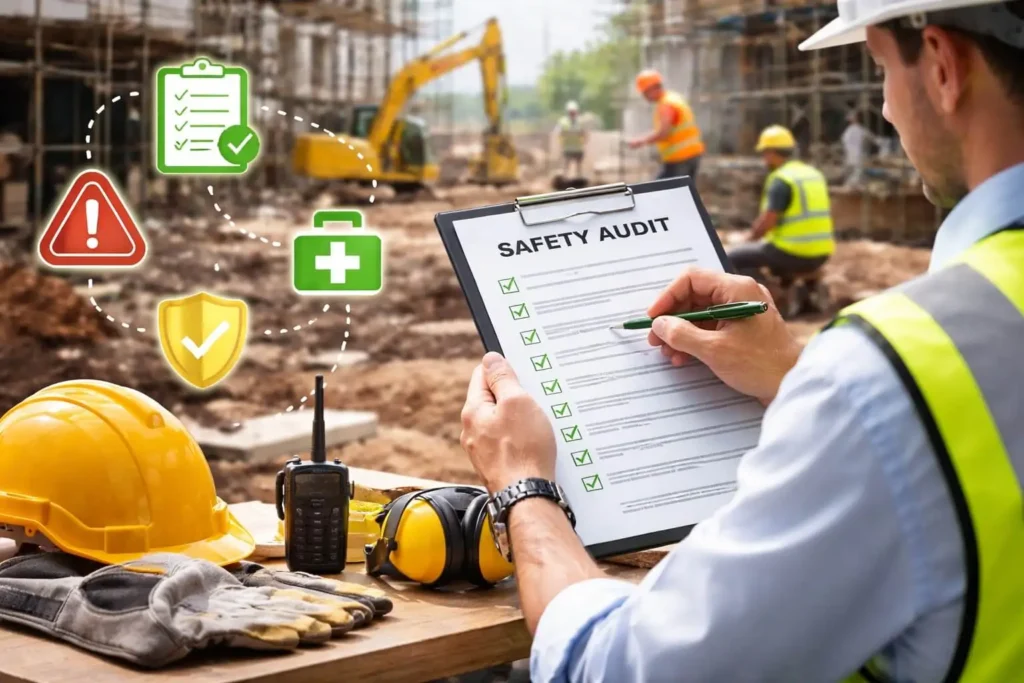
Many people ask, what is a construction site safety audit? It is a planned check of how safe the work area is, how well rules are followed, and where risks are hiding. It looks at people, tools, gear, and paperwork. It also checks if the team knows what to do in an emergency.
A good audit does not try to blame anyone. A good audit tries to spot problems early and fix them fast. That can lower injuries, slowdowns, and costly damage. It can also help a crew build better habits each day, even when the job is busy and noisy. It should end with clear actions, owners, and dates. Some teams also compare results over time so they can see progress and keep leaders honest for the next audit.
What the review covers on a busy workday
An audit checks more than hard hats and warning signs. It looks at how work is planned, how tasks are explained, and how crews control danger as the job changes. The auditor may review permits, training records, and daily notes. The auditor will also watch real work, like lifting, cutting, and working at height. That helps catch rushed shortcuts when schedules get tight later.
The auditor also checks if the site has a clear safety system. That includes who reports hazards, who fixes them, and how fast action happens. Good audits look at housekeeping, traffic flow, storage, and tool condition. They also check if emergency routes are clear and if first aid supplies are ready. Many teams use a checklist so nothing is missed, but the best audits still use plain judgment. When a risk is found, the auditor writes it down, explains why it matters, and asks for a fix with a due date. Notes photos and follow up calls help make sure fixes happen and stay done.
Who should take part and how to keep it fair
A safety audit works best when the right people take part. A supervisor can explain the schedule and the rules. A worker can explain what really happens when the plan meets mud, noise, and time pressure. A safety lead can match findings to company policy and local rules. You can also invite a subcontractor rep, since they may bring different tools and risks. If the job uses cranes or scaffolds, include the competent person for those systems during the audit walk.
To keep it fair, start with a simple message. The audit is about the work, not about blaming a person. Auditors should ask open questions and listen. They should use the same checklist each time, so results can be compared. They should share results quickly, while the day is still fresh. That builds trust and reduces injuries. If the audit finds a serious risk, stop and correct it before work continues. Document what you changed and why. This helps show due care if an inspector asks later today.
The high risk areas most teams miss
Many findings fall into a few big risk areas. Falls are a top concern, so auditors look at ladders, scaffolds, guardrails, and floor openings. They check if workers use the right fall protection and if anchor points are strong. Electrical risks are next, so they check cords, panels, wet areas, and temporary power setups. They also look for clear labels and safe lockout tagout steps. Ground work brings its own dangers. Trenches can collapse, so auditors check shoring, slopes, access ladders, and spoil piles. Heavy equipment can strike people, so they watch traffic paths, spotter use, and backup alarms.
They also check lifting work, like cranes and hoists, for rigging condition and clear signal rules. Health hazards matter too. Auditors check dust control, noise, and how chemicals are stored and used. They look for eyewash access and clean drinking water. They also check housekeeping, since clutter causes trips and hides hazards. PPE use is checked, but auditors also ask if gear fits and is in good shape. Heat and cold plans matter on long jobs, so they check shade, breaks, and warm up areas. They also look at first aid training and how near miss reports are handled each week.
How to walk the job and ask the right questions
Start with a quick review before you walk the site. Look at the day’s plan and any recent incident notes. Pick the areas with the highest risk first, like work at height, lifting, and electrical tasks. Tell the crew what you are doing and how long it will take. Then walk slowly and watch how work is done, not how it is described. Ask simple questions that help you learn. Ask what could hurt someone in this task. Ask what controls are in place. Ask what would make the worker stop the job. Check that controls match the risk, and check that people can explain them.
Take clear notes with location and time. If you see something unsafe, address it right away. At the end, review your notes with the supervisor and a worker rep. Agree on actions, owners, and dates. Make sure serious items are fixed before the next shift. Keep the tone calm and respectful, because people share more when they feel safe. Check that tools have guards and that cords are not pinched or damaged at all.
Read more about: How to Choose a Construction Site Location?
How to turn findings into fixes that last
An audit only helps if it leads to real change. After the walk, sort findings by risk level. Fix high risk items first, like missing guardrails or unsafe power. Next, group smaller items, like storage and signs, so a crew can handle them in one sweep. Write each item in plain words so anyone can understand it. Good actions have three parts. They name the fix, they name the owner, and they name the due date. Some fixes need tools or parts, so plan for that cost early.
Share the results with the whole crew in a short talk. Ask if the actions make sense and if something was missed. Then track the actions until they are closed. Many companies keep a log and review it each week, because open items tend to get ignored. When you close an item, note what changed and take a photo if allowed. Over time, compare results to see patterns. If the same issue returns, update training or change the process. Give credit when you see safe behavior. Positive feedback makes the audit easier.