
What Is Industrial Construction
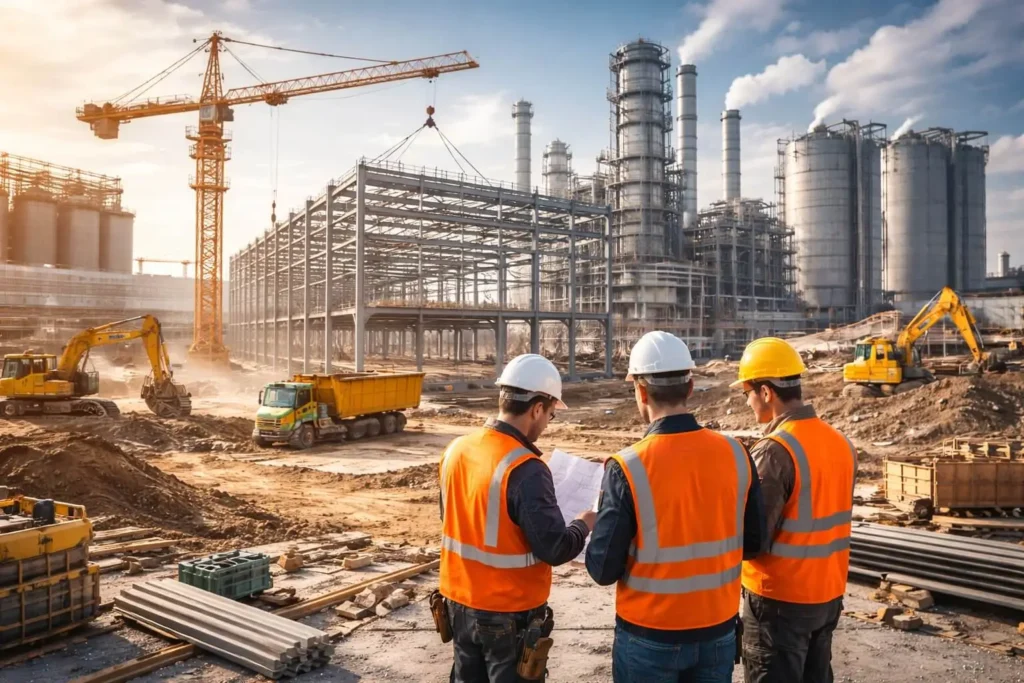
Industrial building is all about making big buildings that can handle heavy operations and manufacturing energy. This article gives a simple and clear explanation of what is industrial construction for people who don’t know much about it. These buildings are not homes or offices; they have specific uses. They are made to work with machines and be used all the time. From the begin to the last check, planning and accuracy are important.
There are many ways which industrial sites help people live their daily lives that you can’t see. They help to make the products which people use every day, store goods, and make power. To make sure safety and quality needs are met, workers follow strict rules and plans. Students, workers, and business owners can learn about this field to better understand how these big projects come together and why they need special skills, teamwork, and careful management at every step.
What Industrial Building Projects Are For
Industrial projects are built to meet the needs of production and storage. These buildings are home to factories, plants, and the processing centers. Each building is made to be used a lot and for long periods of time. Strong materials are used to deal with weight, heat, and movement. The layout makes it possible for people, machines, and cars to all work together. This planning makes sure that things go smoothly every day. Without good design, work would take longer and risks would go up. Building for a purpose helps with both safety and efficiency.
These projects also help the economies of the areas where they are built. They help businesses in the area and create jobs. When a plant opens, suppliers and services come along. This growth will help communities in the long run. Industrial areas also help meet national needs, such as food and energy. Their purpose is more than just walls and roofs. They are the backbone of modern life because they make it possible to do big jobs that smaller buildings can’t handle.
Different kinds of industrial buildings
There are many different kinds of factories. Factories make things like cars, tools, and electronics. Cities and towns get their electricity from power plants. Before delivery, warehouses keep things safe. Oil and gas are turned into usable fuels at refineries. Each type has its own needs and layouts. Designers make sure that spaces are big enough for equipment and work flows. This variety makes the field hard to understand and fun.
There are strict rules that each facility must follow. Different uses have different safety systems, ventilation, and access paths. Food plants need to be clean and have strict rules. Chemical plants need strong monitoring and containment. Teams can build correctly, if they know about these differences. Good planning makes sure that each site works as it should. This focus on type and use keeps operations safe, efficient, and reliable for many years.
The process of planning and designing
Planning starts a long time before building starts. Teams look into the size of the land, how to get to it, and the utilities. Engineers make buildings that can hold a lot of weight. Designers make plans for layouts that make it easy to move around. Every little thing is checked and given the go-ahead. This careful start stops changes that would cost a lot of money later. Good planning saves time and money on the whole project.
Key points about industrial construction:
- Builds facilities for manufacturing energy and storage
- Uses strong materials and heavy equipment
- Requires detailed planning and design
- Follows strict safety rules and standards
- Involves skilled and trained workers
- Supports large scale industrial operations
Design also looks ahead to what will be needed. Buildings can add on or update their equipment later. Layouts which can change let businesses grow without having to rebuild them. Workers can follow the steps correctly, if they have clear plans. The design work goes faster when everyone knows what’s going on. Planning well from the beginning to the end is the key to success.
Tools and Materials Used
Strong materials are used in industrial projects. Steel, concrete, and reinforced frames are common. These materials can handle weight, heat, and vibration. Coatings that are made for this purpose keep surfaces safe from chemicals and wear. Picking the right material makes things safer and lasts longer. Good materials cut down on repairs and downtime.
Heavy machinery is very important. Cranes, lifts, and mixers are useful for moving big parts. Operators need to be careful and trained. Using tools correctly keeps workers safe and on schedule. People check tools often to make sure they don’t break. The right combination of tools and materials helps to get strong and long-lasting results.
Rules and Standards for Safety
Safety comes first on industrial sites. Every day, workers have to follow strict rules. You must always wear protective gear. Signs and barriers that are easy to see help people move. Regular checks help find risks before they happen. These steps keep people and equipment safe.
Local and national groups set standards. They tell people how to build and check things. You have to follow these rules. Following rules keeps you the safe and out of problem. Building trust is easier in a place with a strong safety culture. It also keeps the projects going without delays caused by the injuries or rule breaks.
You may like to read: What Are The Responsibilities Of Construction Workers?
The Role of Skilled Workers
Plans come to life with skilled workers. They set up systems and run machines. Training helps them do their jobs right. They can solve problems quickly because they have been doing it for a long time. Teamwork is how each role helps the others.
Workers also talk to their bosses and inspectors. They clearly report on the problems and progress. Working together like this keeps the quality high. Skilled workers ensure that projects meet standards. Their hard work and knowledge turn designs into working buildings that serve industries for years.