
Why Rest Break Is Critical for Safety in Construction Work?
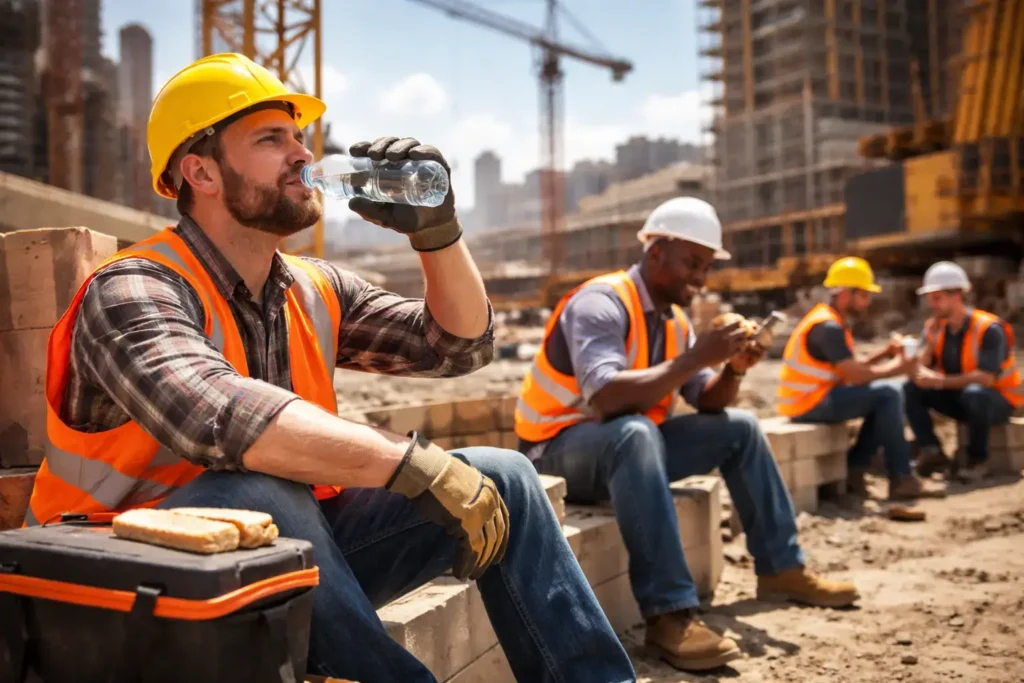
Construction work often requires a lot of physical strength, focus, and long hours on the job. Every day, a lot of workers use heavy tools, climb buildings, and run powerful machines. People make more mistakes and take longer to react when they are tired. This is why it’s important to know why rest break is critical for safety in construction work? is very important for both workers and their bosses.
In the US, safety rules say that you should take breaks often when doing hard work. Breaks give workers a chance to rest, get their energy back, and lower their physical stress. Not getting enough sleep can make you more likely to have accidents, get hurt, or make bad choices. Giving workers the right amount of time off makes job sites safer and more productive.
Making Workers Less Tired on Busy Job Sites
Building things is hard work. People who work often lift heavy things, stand for long periods of time, and do the same thing over and over again. Muscles lose strength and coordination when the body gets tired. Because of this tiredness, it’s harder to safely use tools and equipment.
Taking breaks often gives the body time to heal from physical stress. Taking short breaks can help your muscles relax and give you more energy. Workers are more focused and balanced when they go back to work after taking a break. This simple habit makes it less likely that accidents will happen because you’re tired.
Making your mind and focus better
You need to pay close attention and think quickly to work in construction. Workers need to be careful of moving equipment, changing weather, and other dangers in their area. When someone is mentally tired, they can’t focus as well. They might miss warning signs or forget to follow safety rules.
Taking breaks helps clear your mind. Workers can relax and clear their heads by stepping away from their work area. When they come back, they are more aware and can see risks more easily. Better focus helps you avoid making mistakes that could hurt you or break your equipment.
Avoiding heat stress and physical exhaustion
A lot of construction work happens outside. Workers are exposed to high temperatures and direct sunlight when it’s hot outside. Working out in these conditions for a long time can cause heat stress, dehydration, and other serious health problems.
Scheduled breaks give workers a chance to cool off and drink water. Rest areas with shade help the body cool down. These breaks keep workers from getting sick from the heat, like heat exhaustion or heat stroke. Keeping the workers hydrated and well-rested makes them healthier and safer.
Helping to make equipment safer to use
You need to have steady hands and clear thinking to run heavy machinery. If you don’t use cranes, loaders, and power tools correctly, they can be dangerous. When you’re tired, your reaction time slows down and your decision gets worse. This makes it more likely that mistakes will happen when using equipment.
Operators can regain focus and control during breaks. When workers are awake, they use machines more accurately. This keeps both the operator and the people working nearby safe. One of the most important reasons to never skip breaks is that they help keep equipment safe.
Lessening Long-Term Physical Injuries
Doing physical work all the time can hurt your body over time. Lifting, bending, and carrying things over and over again puts stress on your joints and muscles. If you don’t rest, these movements can hurt your back or muscles for a long time.
Taking short breaks lets the body relax and eases stress on the spine and joints. Workers can take a break to stretch and get better before going back to work. This practice helps keep construction workers healthy over the long term and prevents chronic injuries.
Making work more productive and of higher quality
Some bosses are worried that breaks will make work take longer. In real life, the opposite is often true. Workers who are tired work more slowly and make more mistakes. Mistakes need to be fixed, which takes time.
Workers who have had enough sleep do their jobs more accurately and quickly. They are more motivated and able to pay attention to quality. When everyone on the team is healthy and alert, projects go smoothly. Giving people the right amount of time off is good for both safety and productivity.
Some Problems That Construction Sites Have
Some job sites have trouble keeping up with their break schedules, even though they are helpful. Supervisors may cut break times short because of tight deadlines and the need to get things done quickly. Workers might also think that taking a break will make the team work slower.
These habits can be very dangerous. Companies need to create a culture of safety where taking breaks is seen as part of the job. Employees are more likely to follow healthy work habits when their bosses support safe working conditions.
Read more about: The Hidden Risks of Long Term Lumber Storage on Construction Sites.
Questions That Are Often Asked
How often should workers on a construction site take breaks?
There may be different break times, but a lot of safety rules say that you should take short breaks every few hours, especially when you’re doing something that requires a lot of physical effort.
Do breaks really cut down on accidents on construction sites?
Yes. Workers who get enough rest are less likely to make mistakes and get hurt.
Are safety rules in the US that say people have to take breaks?
Safety agencies strongly recommend taking breaks to avoid fatigue and heat stress, even though rules may differ from state to state and company to company.
What are some signs that a worker needs to take a break?
Some signs are feeling dizzy, sweating a lot, having a slow reaction time, feeling weak in your muscles, or having trouble focusing.
Can taking breaks help you get more done?
Yes. Workers who get enough sleep usually do their jobs faster and with fewer mistakes, which makes the whole project run more smoothly.
In construction work, breaks are not a luxury. They are a basic safety measure that keeps workers, equipment, and the project’s success safe. A team that is well-rested makes the workplace safer and stronger for everyone.