
Estimating Cost to Build a Bowling Alley
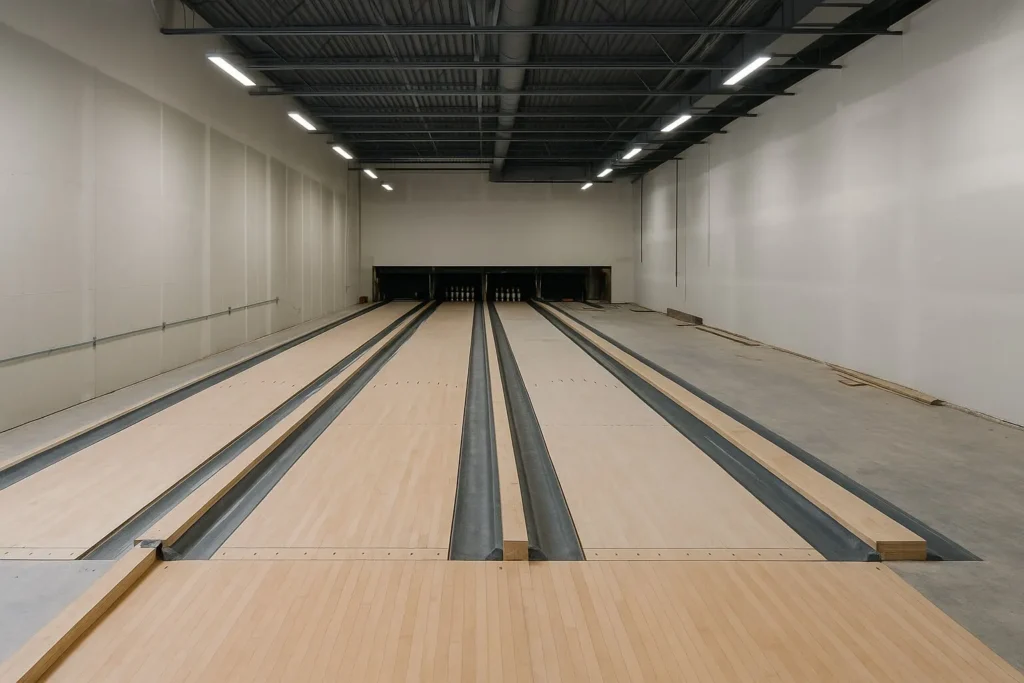
For many entrepreneurs, opening a bowling alley is a business idea and a chance to bring people together for fun and social connection as well. Before breaking ground, however, one of the biggest questions is estimating cost to build a bowling alley. Without knowing the numbers, it is almost impossible to decide if the project makes sense financially.
A clear cost estimate does more than guide construction. It gives lenders and investors confidence, reduces guesswork for contractors, and sets expectations for owners from day one. With a detailed breakdown of labour, materials, permits, site work, fixtures, equipment, and contingencies, the team can lock scope, compare bids fairly, and avoid costly change orders. Accurate pricing also feeds the schedule. When you know lead times and cash flow needs, you can phase the work, order long lead items early, and sequence trades so the site stays productive.
Understanding the Basics of Bowling Alley Construction
When people begin estimating cost to build a bowling alley, they often start with the physical structure. A bowling alley is far more complex than an ordinary commercial building. The lanes must follow precise measurements, the flooring has to be specially designed for performance, and the roof should be high enough for proper lighting and ventilation. These details quickly get incorporated into the budget.
On top of that, there are building codes, zoning requirements, and permits. In many cities, entertainment venues face stricter regulations than regular shops or offices. Location is equally important. Land in a busy urban area might cost more, but it usually guarantees stronger customer traffic. From restrooms and snack bars to locker areas and seating, the construction basics set the stage for the entire investment.
Key Factors That Influence Overall Cost
Many factors form the final figure when estimating cost to build a bowling alley. Land purchase is often the largest. A plot in a prime commercial area may eat up a big portion of the budget, however land in a quieter suburb might be cheaper but draw fewer customers. The number of lanes is another key driver. A facility with 24 lanes will naturally require more materials, machinery, and staff than one with just eight.
Utilities also affect costs. Bowling alleys demand strong electrical systems, proper plumbing, and reliable heating and cooling. Customers expect comfort, so features that are food courts, clean restrooms, and spacious waiting areas cannot be skipped. Even parking spaces, signage, and exterior design carry expenses. Hidden costs, including insurance, inspections, and legal approvals, often surprise new owners. Pointing these parts early makes sure a budget which is both realistic and dependable.
Breaking Down Equipment and Technology Expenses
Perhaps the most critical part of estimating cost to build a bowling alley is the equipment. Lanes, pinsetters, ball return systems, and scoring machines form the backbone of the business. These items are not cheap, and skimping now often cause breakdowns and repairs later. Quality equipment may cost more upfront, however it saves money and headaches over time.
Technology has also transformed the bowling experience. Customers now expect the digital scoring, touch-screen interfaces, and vibrant sound and lighting systems. While these upgrades raise initial investment. They also make the facility more attractive and competitive. For many bowling alleys, these features turn first-time visitors into loyal clients. Regular maintenance is also necessary, because machines operate daily. Choosing trusted suppliers and setting aside funds for upkeep makes sure smooth operations long after the grand opening.
Comparing New Construction with Renovation
One of the biggest decisions for investors is whether to build from scratch or renovate an existing space. New construction allows complete freedom over layout, design, and technology. Everything can be customized to modern standards, from the placement of lanes to the addition of food courts and arcades. The downside, of course, is cost. Building from the ground up requires more money and more time before the business can open its doors.
Renovation, on the other hand, may look more affordable at first. Buying an existing building, especially one already used for recreation, can shorten the process. However older structures often hide problems that are outdated wiring, weak plumbing, or poor insulation that lead to surprise expenses. Deciding between these two options requires a careful look at budget, location, and long-term plans. For some, renovation is the faster path; for others, new construction is the smarter investment.
Budgeting for Staffing and Operational Needs
Construction and equipment are only half the battle. After the alley is ready, the day-to-day operation starts, and this comes with its own set of costs. Staffing is a major expense. Managers, lane attendants, cashiers, and cleaning crews are all necessary to keep the facility running smoothly. Well-trained employees improve the customer satisfaction. Therefore training and benefits should be included in the budget.
Operational costs go beyond salaries. Utilities that are electricity, water, and heating must be paid monthly. Machines need regular servicing to stay reliable. Marketing campaigns, from social media ads to community events, help to attract customers but add to expenses. Food and beverage services need supplies, licenses, and dedicated staff. A detailed operational budget makes sure that the alley is built and it also sustainable, balancing income and expenses in the long run.
Read more about: Cost of Procore Construction Software.
Measuring Long Term Return on Investment
At the end of day, success is measured by return on investment. A bowling alley makes the money in more ways than lane rentals. Since food and drink sales, arcade games, birthday parties, and league memberships all create income therefore the challenge is to compare these earnings with the large upfront costs of construction, equipment, and staffing. A solid financial model can show how quickly the investment will be recovered.
To strengthen returns, marketing strategies are essential. Hosting tournaments, offering loyalty programs, and creating family packages attract more customers. A bowling alley can become a community hub, which builds loyalty and steady income. Long-term profitability comes from balancing smart cost estimation with creative revenue streams. With careful planning, the business not only pays back the initial investment but grows steadily year after year.