

Role of Construction Estimate Template in Accurate Budget Planning

When the topic of budget planning comes forward, it is a well-known fact that estimating companies are available, providing top-notch services that lead to accurate costs. But, how is the accuracy and well-organized cost projections achieved? One of the tools used the most to reach accurate and assembled results is the construction estimate template. The mentioned tool may not seem as important as others, but this is the way to keep the project, residential and commercial, within the view of the budget and the management planning.
In this short blog, we will deliver information about the templates, which include what they mean, the different types, what needs to be mentioned, the advantages of construction templates, and a lot more.
The Meaning of Estimate Templates for Construction Projects
Everyone is familiar with the concept of a construction estimate- how much a residential or commercial project will cost. However, when the word template is stuck in front of it, it can raise a question of its meaning. The concept of construction estimate templates is easy to understand. It is a ready-made form with a layout designed to insert the information of the construction project. Without a template, you have to ensure that nothing is missed by reviewing the details constantly, but with ready-made templates, all you have to do is read the heading and input all the details. The construction templates for calculation come in paper form and digital forms, such as an EXCEL file. This tool does everything quickly, reducing the time taken to perform estimates and making budget planning an uncomplicated task.
The List of Different Construction Analysis Templates
The templates come in a variety. They are designed in varying designs to fit for the purpose and type of the different construction projects. The list goes as follows: select your pick and set an organized budget.
- Commercial Construction Estimation Template: A detailed template designed for complicated commercial projects. The estimations will be done for office buildings, big retail centers, manufacturing companies, and projects on a large scale.
- Residential Construction Estimation Template: A residential construction template includes the detailed sections for houses or residential structures and their style of construction, renovations or extensions.
- Quantity Estimation Template: A breakdown of the material and labor will be used in this template to define the quantity of materials and labor needed for the residential or commercial project.
- Detailed Cost Estimation Template: The word detail emphasizes that every single item is included in the template, from material list to taxes and permits.
- Unit Price Template: This template estimates based on unit price cost, including the total per item, unit measurement, and other types of unit price.
- Preliminary Price Template: With this template, the basic and start-up details are estimated, such as the construction type, the project size, the location, and the predicted materials.
What Needs to be Written ina Construction Estimate Template?
Most of the templates used for construction cost estimation need to include the following items. When using templates, the following items must be covered. Here are the factors and a brief description.
1) Construction Project Data: The project type, the assignment’s scope, the contractor’s name, the customer’s name, when the project will begin, and when it is predicted to be completed.
2) Work Report: Write a detailed information paragraph of the project, which does not leave any factor out. Include and explain the dimensions of the project, what needs to be done, how much work needs to be done, and how many sections there are in the single task.
3) All the Materials and their quantity: List all the materials required in an organized way. Each material should be included with a breakdown of its quantity, unit cost, and total price.
4) Workforce: In the template, write about the workforce being used for the project. That means the number of the workforce, their professional level, hourly rates, and the estimated hours the labor is required.
5) Subcontractor Estimation: Hiring subcontractors is common in construction. So, do not forget to add the subcontractor fee for an accurate estimation and budget.
6) Permit Estimation: Include all the permits important to the location and the specific type of building.
7) Equipment Estimation: The rent or purchase of heavy machinery, safety equipment, and tools should be contained.
8) Contingency Cost: Most miss this out, but when making a template, add the estimated contingency cost because a construction project is full of unexpected shocks.
9) End with Total: Once you have added all the relevant details in an informative manner, add the total price estimation.
Where Can I Access a Construction Estimate Template?
The templates for construction projects can easily be accessed via various sources. EXCEL and Google Sheets are two places where free and professionally made templates can be found. Furthermore, there are free websites available, such as Template.net, which is another source for estimating templates. The choices are all over the internet. One way to find the best templates, check whether they are easy-to-navigate and have organized sections for work information and project details.
Read more: Why Home Construction Estimation is a Must-Have for your Project?
The Digitized World of Estimation Templates
The building project estimation has taken a more modern and quicker route in recent years by doing the calculations digitally. Even the templates that were once used to be made on paper have shifted to being computerized now. That has made it easier because now you can edit a mistake or miscalculation instead of starting from the start. Additionally, the templates can be shared with clients and subcontractors in real time, ensuring that the team stays updated. The templates are automated and have drop-down options, saving time and making it easy for a new or inexperienced person to use.A template for construction projects eases the burden by setting the workflow in a smooth run. With different kinds to pick, knowing what needs to be inserted, and digital advantage, use the templates for the benefit of the project and estimate accurate cost projections.
Why Home Construction Estimation is a Must-Have for your Project

When you start a home project as a homeowner or a contractor, you have several responsibilities and also a question Why Home Construction Estimation is a Must-Have for your Project. Building a home is not an easy task, and what makes that more difficult is not being in possession of accurate home construction estimation. There is a lot to handle when it comes to construction calculation- reviewing blueprints and creating a cost-effective budget. That is why outsourcing the construction cost estimation is the best possible option for successful budget making and the project to embark on a safe construction.
In the USA, there are a variety of companies providing estimation services for home construction. Among them, there is not a single one that is an unreliable, inaccurate, or untrustworthy company for the calculation and analysis of home construction costs. In the blog, you will find information about how the residential cost estimation service is a dedicated estimation service and the way it works.
What is the Main Purpose of a Home Construction Cost Calculator?
When starting a residential construction project, expenses, both direct and indirect, need to be need to be calculated. A comprehensive cost analysis will only be achieved if the calculation skills are done smartly and well-focused. That is the main purpose of the home construction cost calculator- to prevent the project’s budget from overrunning or being lower than expected by covering all the aspects that are crucial to the financing of the project.
What Expenses are Considered?
In the home construction estimation, five expenses are covered. These are what determine the future of the residential project, and it is highly essential that all the following expenditures are included in the estimation process for the budget to meet the profit goal and overall project management.
- Material Expenses: The first step in the estimation process is the calculation of material expenses. That includes all the required materials needed in the building project, which are concrete, lumber, roofing, insulation, interior and exterior paint, flooring, fixtures and fittings, etc.
- Labor Expenses: Labor costs are calculated, keeping in mind the position of the labor, whether they are skilled or unskilled, the labor rate of the construction area, overtime cost, construction experience, and how much the project demands.
- Equipment Expenses: Equipment is the second most valuable factor in a construction project, and its cost is estimated by its rental duration and the type of tools.
- Permit Expenses: The residential cost estimator analyzes the cost of the permit fee and all the vital regulations. The estimation is dependent upon the project size and the site area.
- Overhead Expenses: The estimation of overhead expenses, also known as indirect costs, is included in the residential project cost estimator, which contains administrative expenditures, resources, and project insurance.
The Quick Work of the Estimator
Building contractors and homeowners save a significant amount of time with the estimator service because the work is done in a few hours, compared to doing it manually. When in contact with a home construction estimating company, here is you can expect the process to take place.
1) Preliminary Assessment: All the project details should be shared with the estimating company. Leaving a minor detail can cause a significant loss to the building project.
2) Evaluation Process: The details submitted will go through a rigorous evaluation process, which will clarify the course the estimation should take place.
3) Assessing Cost: The cost is assessed using advanced software, making the calculation quick and accurate. All the features of the project are calculated under the leading technology, generating a definitive cost breakdown.
4) Report Handover: The report is handed over to the contractors, subcontractors, developers, homeowners, or whoever you are with accurate estimations assembled.
When Should the Help of the Estimator be Taken?
Estimates are essential for your project. That means no matter what type the residential project is, calculations of their expenses and costs need to be considered. Most wonder when an estimator’s help should be taken, and the answer to that curiosity is that whenever the project demands or you feel stuck, the service of a home cost estimator can be taken. Requesting a professional’s assistance has no requirement that needs to be met because the estimator is qualified to calculate estimates, whether at the start of the project or in the middle. To make this more informative, below mentioned are the times when you can consider an estimator.
- Before the construction of the new home. You get accurate prices and takeoffs of the resources needed.
- If you are stuck in the project planning phase and need a professional opinion.
- The estimator can be used to plan a thoughtful budget that breaks down where the allocation goes and how much. That way, you can make adjustments and informed decisions.
- When the project is about renovation or remodelling of the house.
- For material takeoffs, which provides an accurate project on the exact quantity of materials needed.
- When applying for a loan, the help of residential cost calculation becomes a necessity.
- During the bidding process to ensure the bid is authentic and not higher than the intended charge.
- When the budget is limited, the estimator makes it easier to ensure that the quality of the material is not affected by the budget.
- If you are new to the construction market and a home construction project is your first task, it becomes vital to take the assistance of the estimator to prevent yourself from making mistakes that could cost future projects.
Read more: How to Comply with Building Codes on a Construction Site
A home cost estimator works based on the needs of the project, making it tailored to the custom demands of the customer. If you want to see your dream home, conduct a detailed and professional-level planning with the assistance of an estimator. With the home project cost estimator, the materials, labor, permits, equipment, and indirect expenses are covered. What you might leave out will be covered by a cost estimator for the home building project. Therefore, making it a must-have option to follow for the residential project.
How to Comply with Building Codes on a Construction Site

The most important question for construction site is: How to Comply with Building Codes on a Construction Site? Complying with building codes on a construction site is exemplary for the integrity of the structure. Following the building codes helps you in the construction process by providing a set of guidance that the constructors must obey. Building codes have been a never-changing step in the construction process; without them, the process may be challenging to follow.
As important as the building codes are, they are just as hard to navigate, and if you are new to this, having someone to guide you through the entire process is the right move. If you have not found anyone to teach you how to comply with building codes on a construction site, we will! This blog is for professionals and beginners who want to understand construction site building codes.
Complying with Building Code on a Construction Site
1) Learn the Particulars
The most effective approach to navigating building codes is to familiarize yourself with the building codes, which promote fire safety, structural strength, environmental protection, improve energy efficiency, and safety regulations. When you learn the particulars of the building codes, it gets easier to understand how the structure needs to be built with strength and last long.
2) Use the Correct Code
There are national and international codes. The national code is the National Electrical Code (NEC) and the international code are International Residential Code (IRC), the International Plumbing Code (IPC), the International Building Code (IBC), and the International Energy Conservation Code (IECC).
Different cities and the states in them assume various codes. Therefore, research the building code of the city where the construction is being built and correctly apply it.
3) Employ Specialists
Building codes is a complex task that even with training a non-professionals can have trouble navigating. Employing specialists who have long-term experience in building codes can ensure your construction work, designs, and planning comply with the codes.
4) Get the Permits
Comply with the building codes by assessing the permits in the initial part of the construction planning to save time and the chance of getting fined. Make sure to contact the authorities of the area to get the required permits.
5) Regular Inspection
Regular inspection after the completion of each stage of the project ensures that you are aware of whether or not your construction is meeting the building code. If it is revealed in the examination that there is a part of the construction not complying with the code, quick action can be taken to fix it.
6) Keep the Site Unspoiled
Reduce the possibility of ignoring the code by keeping the site unspoiled. The reason codes are followed is to keep the working environment safe and the construction site being unclean goes the opposite of the codes and regulations.
7) Stay Updated on the Codes
Construction is a fast-evolving market where the building codes keep updating. Monitoring the changes by keeping an active communication in the market, taking consultations, or visiting construction workshops keeps you on track, improving your work ethic and delivering high-quality performances while fulfilling the specified benchmarks.
8) Proof of Adherence
Create a document to keep all the records and proof of what it took to construct the building. Additionally, ensure that the proof of adhering to all the building codes of the local area is present. It can play to your benefit if someone raises claims or disputes.
Breakdown of the Codes
Briefly talking about the codes makes it harder to understand and comply with the building codes on construction. Below, you will find a detailed breakdown of the codes, informing you of the purpose of complying with them.
National Codes
- National Electrical Code (NEC): The NEC provides guidelines for the safe installation of electrical systems on a construction site. Following the codes ensures the process does not cause electrical current, causing harm to the structure and the workers.
International Codes
- International Residential Code (IRC): This code covers the safety requirements, energy efficiency, and all the common factors for safe construction for all types and sizes of residential building tasks.
- International Building Code (IBC): The International Building Code (IBC) includes all the factors of construction for residential and construction projects. Under this code, contractors and builders will find guidelines to comply with for both styles of construction.
- International Plumbing Code (IPC): The proper installation of plumbing is important. There are approaches to follow under the International Plumbing Code (IPC) for the building, supervision, and examination of plumbing systems.
- International Energy Conservation Code (IECC): There are requirements to comply for a satisfying performance for the overall factors, promoting energy efficiency in both residential and commercial buildings. The IECC aims to save the environment and the electricity and energy used on the projects.
The Ways to Keep Track of the Building Codes
Keep track of all the elements, inspections, and permits, and create a list of the building codes to follow with the help of software. The traditional way of monitoring the construction, by writing everything down, might still be seen in a few construction sites, but that is likely to cause confusion and mix everything up.
Many software have been introduced to keep everything in check, ensuring that you are complying with the building codes. For example, software, such as PlanGrid, which plans a list of everything needed to be adhered to for the safety of the construction site. The technology have user-friendly interface, making it easy for you to use it.
Read more: How To Estimate Labor Costs in Construction?
Why is Following Building Codes Important?
Without guidance, the construction of your project is not smooth and will be the grounds for getting into legal trouble. Building codes prevent troubles by ensuring that your structure is safe and sturdy. Complying the codes saves you from fines and legal battles, where thousands of dollars are spent on lawyers.The word building codes sounds like a hard task to follow. However, understanding the basics and how to comply with them will make it simpler to adhere to. Following the codes are a must for the construction!
How To Estimate Labor Costs in Construction?
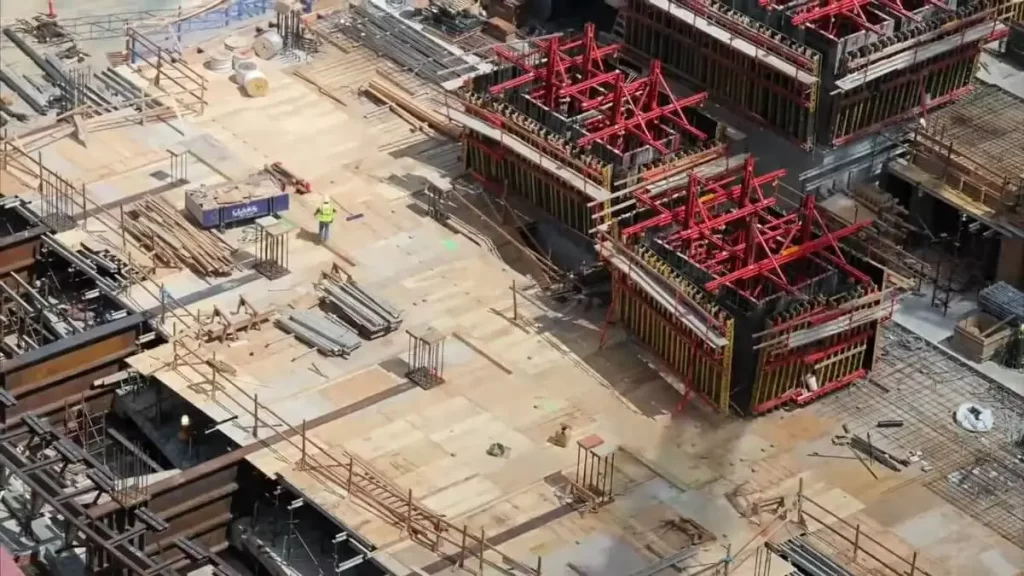
The cause of a structure being built by meeting the demands of a client is due to the hard work of the labor. Labor hold a high importance in a project; without it, the construction can not start, nor be built according to the designs. The same way labor is crucial, calculating accurate labor costs in construction is equally important.
Estimation of labor cost requires more focus and attention compared to materials as there are several factors that need to be researched and calculated. Measuring the cost of the workforce does not mean paying the team an hourly rate. If it is your first time estimating labor costs or you want to enhance labor estimation, this blog will walk you through the total strategy, methods, and crucial information that it takes to calculate labor costs in construction. So, you can be assured that the laborers are getting what they earn and the budget management is in control.
The First Approach to understandLabor Costs
You will be unable to estimate correct calculations for the project’s labor without understanding what are labor cost. Labor costs consist of two kinds- direct and indirect; both equally crucial in the pricing process.
What is Included in Direct and Indirect Costs?
In the direct costs, you have the main cost factors that should be factored into the estimation. These are hourly pay, overtime wages, labor taxes, and employee benefits.
Indirect costs, also known as overhead costs, are not directly accountable but are a crucial part of the calculations. Management compensation, administrative pay, and the cost to train the labor and handle equipment are indirect costs.
The Various Ways to Calculate Labor Cost
We have chosen the most reliable ways to calculate labor costs below.
(1)The Unit Rate Method
The unit rate method estimates the pricing based on how productive the workers are in a day and multiply it by the total hour rate.
The number of total units is first divided by the productivity rate, and the answer derived from that is multiplied by the hourly rate. For example, 50 square feet of flooring is applied in an hour on a 500 square feet surface with an hourly rate of $50, making the calculations- 500/50 x $50 (number of total units/productivity rate x hourly wage rate).
(2)The Bottom-up Estimating Method
For a comprehensive approach, the bottom-up estimating method is the choice to make. This method has a simple approach: A project analysis is formed, labor hours are estimated per task, the labor rates are allocated, direct and overhead expenses are counted, and the total labor cost is estimated.
- Project Analysis
- Labor hour per task
- Allocate labor rate
- Addition of direct and overhead
- Total labor cost estimation
(3)Total Labor Cost Percentage Method
Also known as the top-down percentage method, this involves estimating the total labor cost as a percentage of the total project cost. Let’s suppose the total project budget is $200,000, out of which 30% is given to the labor cost- $60000. The percentage price, $60000 will be the total labor cost that will be allocated to different tasks, depending on their hourly rate.
(4)The Software Method
The software method is an easy and fast way to estimate labor costs. Many digital tools, such as PlanSwift or RSMeans, have high performance and features, conducting a thorough and precise measurement and estimation for the total labor costs.
Click for Construction Cost Estimating Services to explore more.
What is Included in the Labor Costs?
The next thing you need to understand is what is included in the calculation process of labor costs.
- Include the calculations of the direct labor costs, as these are the primary costs an accurate labor accounting will be based. Your direct costs should be the hourly rate, double time costs, labor taxes, and employee benefits.
- Do not ignore the indirect costs, which make up a good percentage of the total costs. The indirect should include management compensation, administrative pay, and training expenses.
- Aside from the two significant factors, there are varying factors that should be included, which are travel expenses, weather delays, and location.
- You can not predict what happens in the construction. The work is risky, and the workforce needs protection. Therefore, adding safety expenses is crucial to order all the protection tools for a secure construction environment.
- Add the cost of the supervision and project management. Many labor estimations do not include the cost of the manager monitoring the entire process, forgetting what they perform is also a type of labor.
Creating a Report
Once you have covered all the costs and decided on the most suitable method of estimation to use, it is time to make a detailed and precise total labor cost report. The cost should precisely contain the task, its hourly rate, and the total expense, as it will act as a guide for budget and project planning. A labor cost estimation report is a reference for the contractors and builders, ensuring that the workforce hired for the construction of a residential or commercial project receives payment. Additionally, it helps the team management in allocating the tasks and resources effectively, controlling the budget from overrunning, and keeping track of the process.
Can the Construction Location Make a Difference?
Labor costs vary from location to location. One part of the country will have low labor rates, while the other will have high rates due to the cost of living and the skills of the workforce in the area. Construction being done in a low-populated area will have half the rate, compared to the construction in a high-populated city.Labor estimation is more than paying the workforce according to their skills.
Read more:Why is Estimation Important in Construction?
It is a thorough process with various methods to pick for accurate estimations, making it time-saving and an advantage for the project. Analyze all the factors- direct and indirect costs, the project location, unexpected expenses, safety costs, and management expenses during the calculation process. Precise labor rates will push the project to success.
Why is Estimation Important in Construction?

Why is Estimation Important in Construction?
When you have a project to complete, what is the first step that needs to be done? It is a part that creates a base of the entire project, which is called cost estimation. Estimating the costs before starting the project is a major step, which results in the construction being done without a hurry and accidents.
Knowing the cost of the necessary quantity of material and the labor required directly translates to an accurate budget assembled. Cost estimations are very crucial and need to be done with an attentive mind and lots of time. Whether the project is residential or commercial, done by a large company or a small company, no project can begin without construction estimation. This article is an informative read, giving a complete overview of what makes cost estimation an essential step in construction. Continue reading to know why a forecast of pricing for a project is a critical thing to work.
Why is Estimation Important in Construction?
Construction can not begin unless authentic and exact costs concerning the resources, equipment, labor, and indirect costs are not predicted. This is a simple definition of construction estimation. To completely understand why estimations make the entire workflow smoother and more manageable, here are the reasons why construction cost calculations are essential.
1) Once the project is handed to a constructor, builder, developer, or architect, the stakeholder’s first concern is to create a budget. Budget planning with accurate estimates briefs stakeholders on how much cost will go into the project. It also helps to make the right decisions for the materials and labor allocation.
2) Estimation in construction allows for accurate allocation of funding to go into materials, workforce, equipment, permits, fencing, designing, and legal expenses. The correct costs help contractors and builders order the exact quantity of materials, hire the skilled and the proper number of workers, choose the right equipment, and ensure indirect costs are accounted for effectively.
3) There are many cases where the budget blows out of proportion, leading to searching for more ways to obtain grants for the project to begin. Estimating ensures that no project experiences cost overruns. The funding is finalized, and the whole construction is completed, staying within the funding limits.
4) Besides having accurate cost calculations, a project timeline is a contributor to the project’s success. Construction estimating constructs a tight timeline of the project where every step happens in chronological order and on the allotted duration. Nothing happens outside the schedule, and scheduled tasks take place at the given time, maintaining a safe environment by reducing overlaps.
5) Conducting estimations for your project ensures the correct quantity of materials is ordered without causing an overrun of cost or materials. Ordering the exact number of materials has two benefits: the budget is not exceeded, and nothing is wasted. If an accurate estimation is not created, more than the required materials will be ordered, taking up space for other resources. There are incidents where fewer materials are ordered, which means additional purchases need to be made, breaking the project’s timetable.
6) Sometimes, you think your estimates are excellent, yet your bid fails to win. The cause here lies in the accuracy of the expenses. Estimation seals the cost calculation at an accurate point, where the pricing is neither low nor high, making you win the bidding and not compromise on the quality.
7) It is a great way to win the trust of the customers and make them a loyal partner. Accurate estimations show professionalism, organization, and hard work to make the budget and project smooth for the clients. When you win over one client, every construction company follows after to work with your estimations.
8) Reduce all the chances of risk with construction calculations. The estimation shuts the way to unexpected costs, labor shortages, uneven location, and every uncertainty that could make it impossible for the project to finish on time.
Four Various Construction Estimates
When construction estimates are concerned, there are four different types. The stage that the project requires is dependent on the customer and what kind of cost calculating the project wants.
- The first type of estimate is preliminary calculations, which are rough before the work order is decided.
- The second type is detailed estimation. A breakdown of all the cost estimations is found in one document.
- The third type is quantity takeoff, where accurate materials and labor estimation are measured. The analysis determines the quantity of resources to be ordered and the work fee of the skilled and unskilled workforce.
- The fourth type is bid estimation. Calculations are made so contractors, builders, developers, and architects can submit the most reasonable bids and win.
Choosing any kind of construction calculation for your project streamlines the construction process and can save your pockets millions of dollars from potential future mishaps.
How are the Calculations Accurate?
Accurate and detailed estimations are not the result of manual calculations. The time when construction estimations were done physically is left behind and a more advanced and modern solution has taken over. All the cost calculations are done on software. There are various tools available that perform all the stages of estimations, from studying the designs to creating a timetable according to the calculations. The most common software used are PlanSwift, Bluebeam Revu, Kubla Cubed, and many more. The software assists in measurements and automatically calculates the correct estimation and takeoff for each step of the project. Through technology, time, money, and the risk of mistakes and miscalculations are saved; all the calculations are presented in a few hours.
Read More: What is Construction Management?
The estimation process has many benefits for the construction project. It is a plan for accurate budget and allocation of materials, no overruns or underruns of funds, correct ordering of materials, accurate bidding, providing customer satisfaction, and reducing future chances of risk. A project’s estimation is done on all steps of construction calculation, which include preliminary, detailed, quantity takeoff, and bid. Do not miss on calculating estimations!
What is Construction Management?
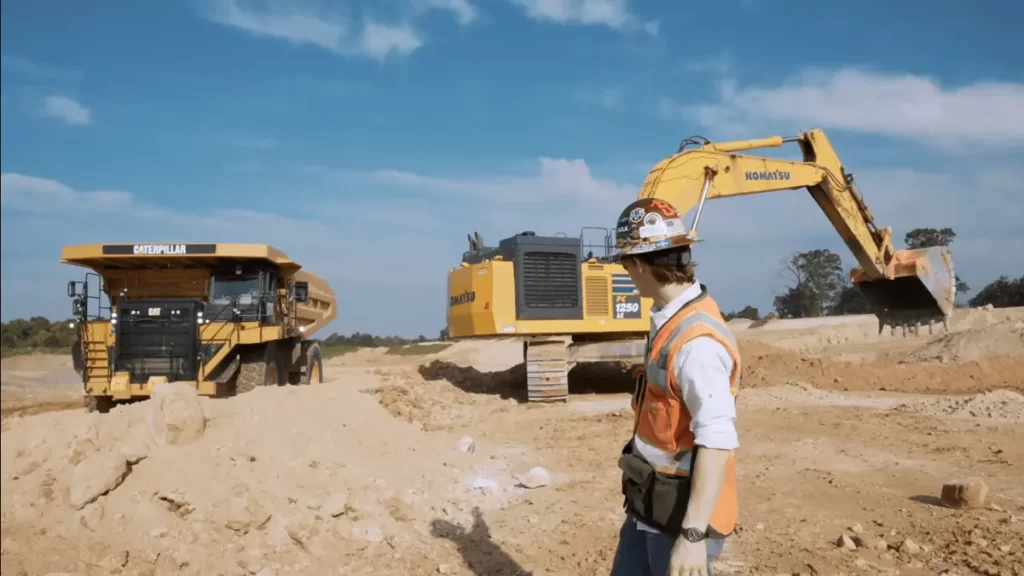
What is Construction Management?
What Do Construction Managers Do?
To lead a team of workers and estimators in achieving a successful outcome for the construction a project manager is necessary. A construction manager looks over the entire task, keeps the motivation alive, communicates, and has many more responsibilities. The absence of construction management is directly responsible for the mistakes made during undergoing tasks.
If you have been looking for an article full of details about the topic of construction management and its responsibilities, you have come to the correct place. Know everything about this profession by continuing to read this short piece!
What Is Construction Management?
Let’s get straight to the point on what is construction management. Construction management is monitoring the entirety of the construction project from the start to the end, which goes from project planning, budget estimations, collaboration, directing the project, quality maintenance, availability of materials, and project and worker safety. Including taking care of the residential or commercial project, construction management needs to keep the clients satisfied by providing updates, meeting their demands, and clear communication. A construction manager ensures that every worker involved works as a team, the stakeholders are all on the same page, and the construction project workflow is smooth and well-organized. A manager’s job is as complex as the construction itself.
What is a Construction Manager’s Job?
Being a construction manager is not an easy position to perform. There are seven roles construction management has to play, and they have to carry all the responsibilities together for better work performance. Cost management, communication, time control, quality oversight, material and resource allocation, safety precautions, and project planning are the seven core responsibilities of construction project supervisors have to skillfully manage.
An Explanation Breakdown
- Cost Management: Construction management prepares budgets, finds solutions to carefully manage the funds, and ensures the cost estimations are at a reasonable level, finalizing the finest work with the highest quality material.
- Communication: Every part of the construction plan is communicated through the communication skills of a construction manager. They ensure the construction team is operating on the same level and keep the clients and stakeholders updated on the estimations, price changes, and how much work has been done.
- Time Control: Time stands as the essence of a successful construction project. The construction manager creates a detailed timeline of the construction project, where time allocation of different parts of the project is managed. The management is responsible for keeping track of the schedule being followed and the work is concluded by the said deadline. Unexpected issues can arise in this field; it is a construction manager’s job to solve the disruption and revise the schedule.
- Quality Oversight: They keep the quality in check by ensuring the construction is meeting the quality and design standards. Additionally, they find solutions for finding the highest quality material remaining under the budget and do a thorough quality inspection before and after the residential or commercial building is built to update if anything is not up to satisfaction.
- Material and Resource Allocation: Materials and resources are the two essential factors. A manager’s duty is to ensure the quantities of materials ordered meet the estimated costs and other resources (machinery and labor) perform their task.
- Safety Precautions: Safety is crucial in dangerous environments like construction, and what construction managers do is ensure safety precautions are met and followed, train their labor on how to handle heavy equipment and use them, ensure they have PPE available, and conduct daily site examinations.
- Project Planning: The most critical responsibility of a construction manager is project planning. They ensure costs are estimated, a proper budget is created, the exact quantity of material is ordered, and a project schedule is made. A manager’s construction project planning skills open a clear way for a smooth workflow to follow by preventing delays, material underrun or overrun, and reducing accidents and conflict.
The Qualifications of a Construction Manager
A construction manager job looks like handling everything, but in reality, one needs to be highly qualified to become a successful management source of a residential, industrial, or commercial project. Those deciding to become a construction manager need to have strong leadership skills and confidence. By having these two qualities, it will be possible to lead the entire team towards a successful outcome. Another qualification to have is all the knowledge about the construction work, which includes how accurate estimates are generated, what methods are utilized, and the basic principles.
The other capabilities include having the ability to comprehensibly communicate with the clients and stakeholders. Being an expert in verbal and non-verbal communication will help customer satisfaction, reduce divisions in work, and help win bids. Facing difficulties is a part of construction, but knowing how to overcome them and continue working according to the schedule is a skill construction management must have. Following that, if a manager does not know how to manage time, the project will be delayed, causing increased costs and client dissatisfaction.
What Projects are Handled by The Construction Management?
The building leadership is liable for managing all classes of projects, whether they are executed on a small scale or a large scale. These projects are.
- Commercial
- Residential
- Industrial
- Public Property
- Infrastructure
The Significance of Construction Management
Construction management is the hand holding the entire construction process together. Without a manager onsite, the building is likely to fail due to miscommunications, missed deadlines, no fixed schedule, improper project planning, and inaccurate budgets and the most important disadvantage is dissatisfied customers. There are many problems your project will face without a good leader to guide and assist in the improvement of the construction project. Construction management is highly significant to a project if you would like to see good results.
You may like this: What is Cladding in the Construction Work?
In conclusion, construction management plays an important role to safeguard the project from difficulties and problems by ensuring that the project and budget planning are being followed as planned. Along with that, they ensure safety, accurate quantity orders, communication, and material allocation.
What is Cladding in the Construction Work
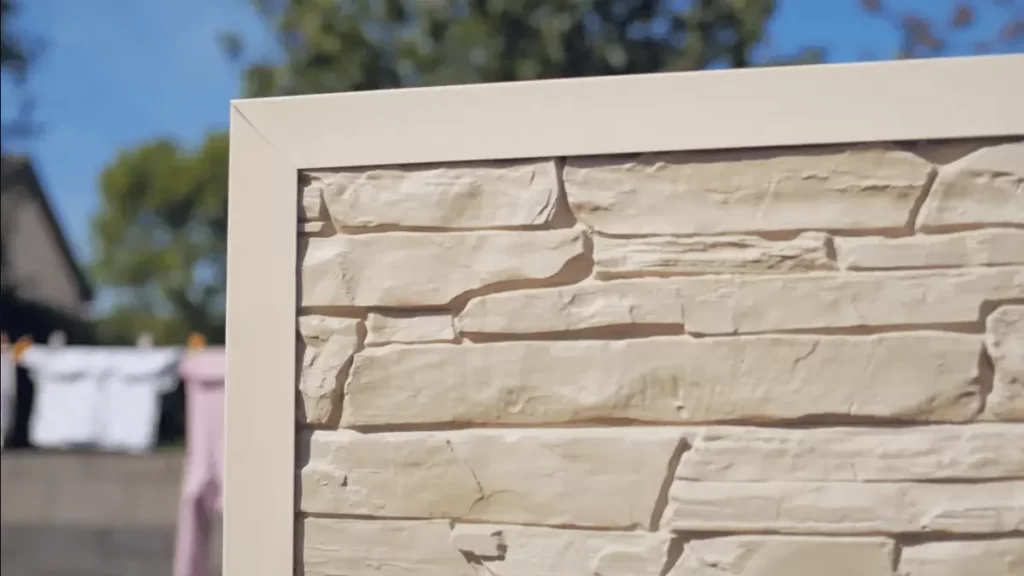
What is Cladding in the Construction Work
Classing is a term frequently used in construction; you may have even heard someone saying it or when reading an article. The word cladding means the structure’s protective layer, safeguarding the work from harsh weather and accidents. But that is the general definition of cladding. To apply cladding on the building constructed, builders, contractors, and architects should know everything about this work. In this guide, we explore many areas of cladding. Please continue reading to find what cladding is, its importance, types, and installation methods in a detailed form.
What is Cladding?
After a building is completed, the exterior needs to be enhanced and attractive. Most see the brickwork, stone, and glass- as the reason for the eye-catching sight. What you do not know is that it is cladding that makes the structure’s building look sharp.
To make it simpler to understand, cladding is the outer layer applied on the exterior of a building. The purpose is to protect the structure from poor weather, reduce outside noise pollution, and enhance the formation of the layout. In short, cladding is a factor that helps in making post-construction buildings visually appealing, weather-resistant, and safe from loud sounds.
Read More: What is the Purpose of a Construction Site Fence
What is Cladding Made Of?
Various types of materials are used to create cladding.
- Wood
- Vinyl
- Metal
- Brick
- Stone
- Fibre Cement
- Glass
- Ceramic Tiles
- Panels
Explaining the Types
1) Wood
Wood cladding is used on residential projects. The natural and comfortable texture adds a warm visual. With proper maintenance, wood cladding will last for many years.
2) Vinyl Cladding
Vinyl cladding is an affordable type of cladding, making it an option for start-ups or small companies. There are diverse alternatives in the color and consistency of the aforesaid cladding and it can skillfully be laid to the building’s exterior.
3) Metal Cladding
If you want to give the building a more modern look, metal cladding is the best choice. Available in metal, zinc, and aluminum, it is highly long-lasting and sturdy and gives a sleek visual to the construction structure. Furthermore, it is hard for metals to catch fire, making metal cladding the perfect protective mask.
4) Brick Cladding
Brick is a heavy object, which ensures that the exterior remains safe from dangerous elements. Furthermore, a brick exterior provides a classic look, making the final result picture-perfect.
5) Stone Cladding
Similarly to brick cladding, cladding with stone materials allows easy insulation and acts as an excellent barrier for the exterior, ensuring it remains in its authentic shape. The stones used are slate, marble, or sandstone.
6) Fibre Cement Cladding:
Layering the exterior with fibre cement cladding is an assurance that the exterior of the residential or commercial structure built is safe from fire, water, and rotting. The exterior will remain in good health and strength.
7) Glass Cladding
Cladding made with glass materials is always a fun option to try to give the commercial space an elegant appeal. Glass is a weak material; however, glass cladding provides thermal insulation and weather protection to the exterior.
8) Ceramic Tile Cladding
This cladding type has easy maintenance as it is easy to clean and does not suffer from moisture or insect. Moreover, they are durable and can resist harsh climates.
9) Panel Cladding
Used in various construction types, panel cladding offers the exterior strict protection from factors with the potential to cause harm.
The Benefits of Cladding
Cladding has a set of benefits that make it a crucial step to fulfill once the construction is completed. After the construction is made, the exterior is open to many problems that make it weak or lose its aesthetic. Cladding is the barrier that saves the longevity, visual, and sturdiness of the surface by acting as a barrier to all these situations.
When choosing cladding, you are to come across multiple colors, textures, and styles, not only protecting the building cover but also making it more visually appealing. Cladding your exterior maintains the temperature inside in summers and winters as the layers of materials installed provide thermal insulation.
When a structure is built, there comes a time when it is ready to sell. With the protection, comfort, and visual benefits of cladding, there is a hundred percent chance for the property value to increase.
The materials are made with eco-friendly and recycled resources, protecting two factors at once: the exterior and the environemnt.
Installing Cladding on Your Structure
There are two ways of covering the building’s outside with cladding: dry cladding and wet cladding. The two installation systems require the job of trained and specialist workers. The judgment to use wet cladding or dry cladding is a choice, depending on the constructors, architects, and builders.
- The drywall cladding way involves the use of machinal tools. The cladding panels are attached with the help of the tool, making it a less complicated method of installation.
- In the wet cladding method, the procedure is done using moist adhesive to install the tile, brick, or stone facings into the exterior walls.
Are there Disadvantages of Cladding?
There are some drawbacks of cladding, but not deep enough to change the constructor’s mind. The first disadvantage is the price of cladding. Cladding covers the exterior surface, which means a high quantity of material is required together with a skilled labor force, which can be expensive. Additionally, the labor should be experienced in installing cladding panels to ensure they are properly installed to prevent the cover moisture, which can be costly to hire. Another disadvantage is that the layer needs constant supervision. However, modern inventions are made, and now there are self-cleaning surfaces in the cladding panels.
Final Words
Layering the construction’s exterior with layers of cladding is for safety and longevity. You can install cladding on newly built construction and even on reconstructed models, giving them a new and classy visual. When the construction is finished, do not think the job is done. There is another task waiting to be installed on the exterior of the structure!
What is the Purpose of a Construction Site Fence

What is the Purpose of a Construction Site Fence
When there is an ongoing construction, it is not unusual to see it being bordered with fencing. Although there is nothing worth robbing inside, nor is it a site where valuable stuff is being held, it raises the most wondered thought- what is the purpose of a construction site fence? The project may be residential or commercial, on a large or small scale, but the one thing that will always be seen on the location will be the security of fences. There are many answers to that question, and in this article, we will list down all the reasons why a construction site will have a barrier. Keep reading to uncover the importance of temporary fences on a continuous or halted construction project.
Key Purposes of Using Temporary Fences in Construction
This part of the article will dive into the key purposes of a construction site securing itself with temporary barriers.
1) Public Safety: A construction location is full of risks and accidents that can occur if a person enters the site. Installing barriers with signs boldly written to stay away from the area protects curious teenagers and trespassers from open trenches or blunt tools on the floor, especially at night.
2) Legal Order: The areas where the construction is taking place send a legal order to the team requiring secure fencing at the site as per the strict regulations by law.
3) Site Security: Without the site properly secured, everyone other than the managers and workers can have access to the place. Fencing makes it readily possible for project managers to keep an eye on who can enter the site and who can not.
4) Equipment Security
Even when a construction site does not have anything valuable to purchase, the expensive equipment can still be the target of thieves. A barricade all around the area prevents the expensive machinery from getting in hold of burglars by keeping them safe and secure inside the perimeter.
5) Smooth Workflow
A fence not only has a role outside the site but also inside the site by dividing the working areas. The division keeps the different workers doing their jobs to clash, ensuring a smooth workflow. Plus, with the work now being organized, the project can be finished on time or even before the deadline.
6) Confidentiality
A fence maintains the level of privacy for the construction workers and the task that is undergoing. The privacy experienced prevents disruptions that could catch the laborer’s attention elsewhere, other than their job.
7) Reduce Noise Pollution
In more populated areas, noise pollution caused by the construction is a central problem. The barriers secure the heavy noises of the drills and machinery inside the site, making the surrounding areas quieter for the residents.
8) Eco-Friendly
Environmental issues are a real thing, and when construction happens there is pollution that consumes the environment. During the building, demolition, and excavation dust and debris is everywhere, which causes damage to the surrounding environment and trees, soil erosion, and other toxic substances. Fencing reduces pollution, keeping the environment safe.
9) Insurance Reasons
If a project manager wants their site to have insurance, it is crucial to have fencing as it protects the area from thefts and other accidents. That makes a good impression on the insurance companies, making it easier to get insurance.
The Various Choices in Fencing
There is an indefinite amount of choices in fencing for construction sites, each with the same purpose. Here is a complete list of barriers you can choose to install for the safety of your construction project.
Chain-Like Barrier
Chain-like barriers are intertwined steel wire. That is the first choice of construction managers for privacy and safety due to its easy installation.
Hoarding Panels
These are made of wood or steel, making the inside completely invisible to the outside, offering a high level of privacy to the construction work, the passersby, and the residents.
Mesh Barriers
Mesh barriers are lightweight fences. Since they are made with mesh, the site is see-through. However, they act as a perfect barrier, especially for short-term projects.
Silt Barriers
Constructors mostly install silt barriers on sites that are close to the sea. It is to filter out the construction grime and watery soil from washing away, protecting the environment.
Concrete Fence
A concrete fence keeps the construction site protected from trespassers and onlookers by acting as a sturdy barrier. This type of fence is the top pick for large-scale construction projects.
Noise Barriers
The surrounding areas should be protected from the noise of the structure being built, and noise barriers help with that by blocking the noise from reaching the residential or commercial areas.
Are All Construction Site Protection Barriers Temporary?
While there are many types of barriers to choose from, they can used in two ways- temporarily or permanently. The difference between both is that a temporary barrier is movable, while a permanent protection fence is rigid and used for a long time. Therefore, not all barriers act as temporary fences.
The type of fence used and for how long depends on two things- the project type and its duration. Look at what the project type is: residential, commercial, or industrial. Additionally, what is the length of the project? Projects that take months mostly have temporary barriers and a construction task that has a duration of years uses permanent barriers. Check the needs of your project and choose the correct type of fence!
Read More: How to estimate construction costs?
Final Words
Whether you were curious to know why construction sites have fencing or a residential, commercial, or industrial project leader who was searching for more information about site security, your question has been answered. Every factor involved in the construction process has a purpose, including fencing. It is installed for the protection of the building, the equipment used, and the workers responsible for making it possible, along with the environment and the public. Create a safe place from the site and let the work be done smoothly!
How to estimate construction costs?
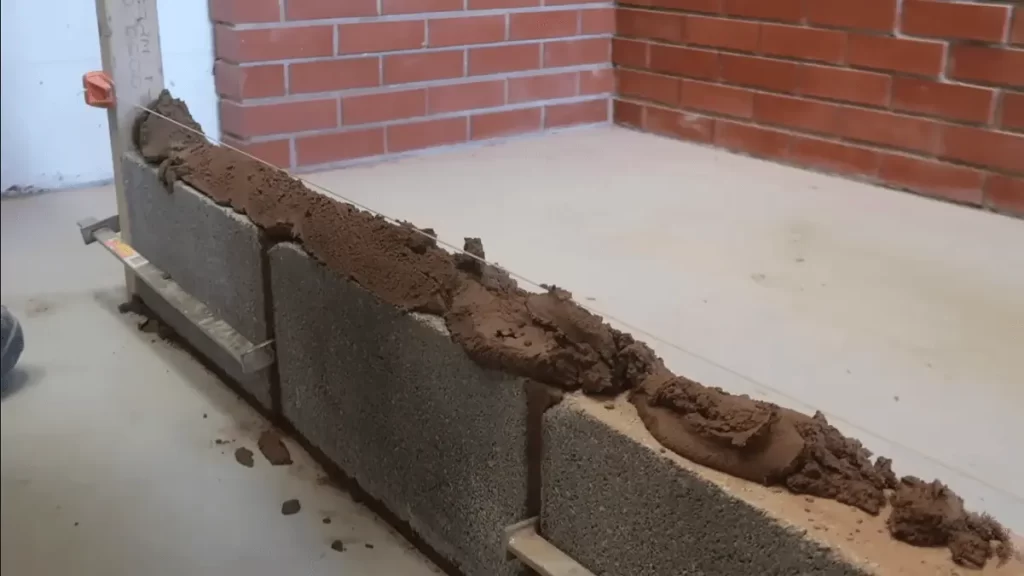
How to estimate construction costs?
Cost estimation is a key step in making decisions related to construction projects. You cannot manage construction projects without understanding their life cycle, as this often results in quality issues, budget overruns, and undue delays. So, from start to finish, you must know how to estimate the costs of the initiated construction project.
In construction, most projects follow a similar process, which includes collecting necessary information, defining the project scope, and calculating estimates. Estimating costs involves assessing expected expenses, including materials, labor, equipment, and/or professional fees. This article guides you through the process of creating an accurate construction cost estimate for projects of any size.
Preliminary Survey
At the outset, a preliminary assessment of the construction site is carried out to check the possibility of successful construction and subsequent cost estimation. The survey helps assess route access to the site, topography, soil conditions, and overall infrastructure. All these factors play a key role in cost estimation, project planning, effective risk management, etc.
Project Scope and Planning
The project scope is crucial for improving the accuracy of cost, schedule, and resource estimates. It determines the direct costs such as labor, material, or equipment, hidden costs, or contingency costs of the construction project. It involves breaking down the major deliverables of a construction project into smaller, more manageable components.
The project scope paves the way to identify and measure all the materials needed to complete a construction project based on the plans and specifications. The cost estimation based on quantities includes everything from large items like concrete and steel to smaller elements such as installations, hardware, and accessories.
Before starting construction, you must carefully measure everything on the site, and most importantly, the slopes, angles, and potential waste. If you neglect or avoid comprehensive measurement, you will be in trouble during construction.
Labor Costs
A significant portion of the construction cost (approximately 40-45%) consists of labor estimates. Determining labor costs is a complex and difficult task in construction projects. So, to estimate labor costs, you need to figure out hourly pay, include extra costs, and consider skilled vs. unskilled labor, the nature of the work, and any unexpected problems that might appear.
Equipment Costs
Part of the cost is for the equipment that has to be used. You need to accurately estimate the equipment cost by considering several factors: type, quality, purchasing price, and capacity of the equipment. Moreover, transportation and installation charges are part of the equipment costs. During the construction process, it is often observed that the maintenance, repair, or replacement of the equipment also affects the overall budget. Thus, a comprehensive understanding of equipment cost saves you from embarrassment.
Click for Construction Cost Estimating Services to explore more.
Material Costs
Knowing the cost of materials is another key part of construction cost estimation. Material costs, like labor costs, get a big share of the overall budget. It encompasses everything from large elements (steel, concrete, wood, glass, etc.) to smaller elements (paint, decorations, etc.), as well as delivery.
Contingency Costs
It is also a part of the overall budget allocation. It is added to the construction costs to cover risks, unpredictable events, or hazards that may arise during the construction process. Also, overhead and indirect costs, like temporary utilities on-site, insurance, and permits, should be considered. While these costs don’t directly affect construction, they are important for managing the project.
Recheck your calculations and make sure the costs reflect current market prices. If parts of the estimate are complex, consult experts to verify the details. For instance, you could reach out to a supplier for information on material prices or availability or ask a professional for input.
Construction Phase
During the construction phase, develop a control estimate. This estimate compares what the project has actually spent with what was originally planned. It helps you find any differences quickly and adjust to stay within budget. It is usually backed by tools that track expenses and provide regular updates on the project’s progress.
Estimate at Completion
This estimate shows the expected total cost of the project by adding the costs already spent to what is still expected to be spent. The EAC helps keep the project’s costs under control. It is calculated using this formula: EAC = Actual Costs + (Remaining Work ÷ Cost Performance Index).
Construction Cost Estimating Methods
1. Analogous Estimating
Analogous estimating is a method for estimating construction costs by looking at past projects. It simply means that you take the cost of a similar project that’s already been completed and use it as a starting point for your current project. Then, you adjust the estimate based on the differences in your current construction project. If you need a rough estimate before starting a project, it is an effective method.
2. Parametric Estimating
In this method, we use specific, measurable details, like cost per square foot or the time required for certain tasks. It mainly focuses on identifying the main factors that affect costs and using them for different projects. This method works well when you have reliable data from similar projects. During the planning phase, you can make an accurate estimation of construction costs.
3. The bottom-up Estimating
The bottom-up estimating method involves breaking the project into smaller tasks, estimating the cost of each task, and then adding them up to get the overall cost. It takes more time but usually gives the most accurate result. If you need precision and the project is clearly defined, this is the best approach.
4. Delphi Method
In the Delphi method, you consult with a group of professionals or experts to discuss the cost estimate for your project. The experts take their time to analyze the best and worst scenarios and develop a common estimate. It is a useful method of estimation, especially for uncertain or complex projects.
Accurate cost estimation is the base of a successful construction project. From the initial site survey to defining the project scope and calculating labor expenses, every step plays a vital role in shaping the project’s overall budget. By understanding the key elements involved, you can estimate the project costs effectively.
Read our Interested Topic on: How to Estimate Square Yards of Concrete?
How to Estimate Square Yards of Concrete
How to Estimate Square Yards of Concrete
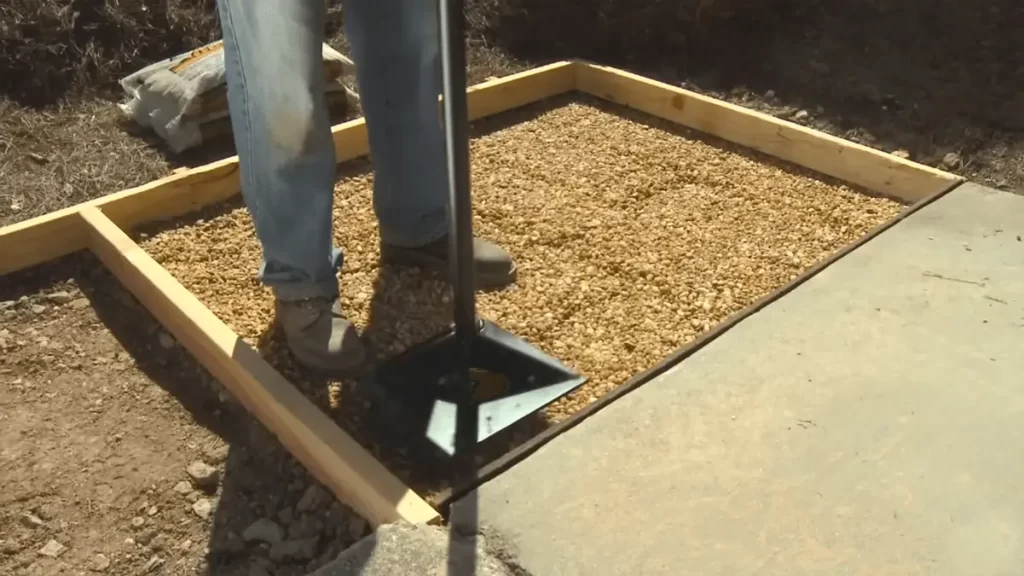
A patio, driveway, flooring, foundation, or road are all made with the material called concrete. How much concrete is required per square in the construction? That question falls down to the correct estimations of concrete bags. Concrete is the main item that can not have miscalculations in its estimations. A single digit wrong affects the orders; you either order too little or go above the quantity, causing the rest of the material to be wasted. Therefore, if you want to know how to estimate square yards of concrete, this easy-to-understand guide will help you. The following guide will brief you on how to calculate square yards of concrete, covering crucial factors.
A Useful Guide to Calculating Square Yards of Concrete
The estimation of concrete square yards is a practical solution to calculate the total location of the project that needs to be coated with concrete. If you want to know the total concrete volume you need, ensure that the figures of the square yard in concrete measurements are valid. Before following the guide, be aware that one square yard equals 9 square feet (three feet x three feet).
Step One
The initial step is carrying out the measures of the total surface area of the project. The type of area will have different measurements. For example, for a patio area concrete square yard estimation, the length and width measurements will differ from a sidewalk.
Step Two
Once the length and width are measured, you have the dimensions, and now the step is to calculate the total square feet with the following formula: square yard = length x width.
Step Three
The second step is converting the square feet into square yards. Multiplying the length and width together will give the total square feet. But, since we want square yards of concrete, convert the square feet to yards by dividing by nine.
Step Four
As there are many structures, they have their individual thickness size, for instance, a construction of the driveway typically has a four-inch thickness. Covert the inches into yards by dividing the inches by thirty-six. You have to ensure that the thickness size is accurate for the estimations to assist your project.
The Significance of Accurate Square Yards in Concrete Construction
Concrete work is not an easy task. There may be some who think that concrete is only about pouring and waiting for it to dry, and that can lead to miscalculations. The solid material holds its significance in the construction work.
1) What happens when concrete material runs low during the project? There are delays and the deadline is extended. With an estimation of square yards of concrete, a fixed and accurate quantity of concrete bags is ordered.
Click for the Concrete Estimating Services to explore more.
2) Once you have the estimates, there is no need to add additional cost to the budget, making the cost distribution of the concrete stage and other phases of the construction balanced and fair.
3) Concrete is a major item. Correct calculations create a solid base for the whole project, making the planning and organization of the project steady and smooth.
The Tools For Calculation
If you prefer to do calculations by hand instead of using software but still want to double-check for certainty, there are many digital tools. Do not make the mistake of solely relying on manual estimations. Here are the accurate and most helpful tools you can consider.
- Online Construction Software: There are various software that estimate the square yards of concrete, taking in all the details and measurements, such as PlanSwift and BlueBeam Revu.
- Mobile Apps: Estimation mobile apps, such as BuildCalc, are another valid tool for homeowners looking for an accurate estimation solution.
- Measurement Tools: There are many ways to measure your project for concrete square yard estimations that cover the thickness, length, width, and depth.
Read More: What is FRP in Construction?
Factors to Remember
Maintain consistency in your project by remembering the following factors during the calculation process. These are common mistakes that occur in the project by the task management. Prevent yourself from following their footstep by ensuring that the below six factors are observed in the procedure of concrete square yard analysis.
1) Never forget to double-check your calculation, especially the conversions. A common mistake is mixing square yard conversion with cubic yard. A mistake like that can cause a big miscalculation that damages the budget planning and takes up extra project time in calculations.
2) Check the project’s location for uneven surfaces, poor flooring, and damages before proceeding to estimate square yards of concrete.
3) Add a little extra percentage of concrete in the estimations due to spillage reasons and if there is a significant share of corners and edges in the structure.
4) It is mentioned before that the thickness level differs according to the type of task. Hence, never order concrete material by assuming that every kind has the same volume. If the ground is uneven, measure the thickness level of its different sizes to ensure that you have enough material to pour all over the location.
5) Do not settle for a concrete sack that is not the most used among the other contractors in the industry. The higher the quality of the concrete, the less chance is there of shrinkage.
6) Estimation of concrete square yards is a task that requires careful decisions and a lot of focus. Rushing the calculation means making numerous errors. Carefully conduct the measurements, employing at least a whole day to ensure that every measurement is taken accurately. Write them down on paper and start your calculations. You can always double-check to see if the estimations of square yards of concrete are accurate with online tools.
Evaluating yards of concrete got easier with this guide. Now, you can precisely get the calculations of the material by investing a little time and following the helpful steps. You can plan better for your construction project because you are aware of how to assess square yards for concrete construction projects!