

A Frame Floor Plans

There’s something magical about A-frame homes. Their steeply pitched roofs, triangular profiles, and cozy interiors have charmed architects and homeowners for decades. But beyond their iconic appearance, the real power lies in a frame floor plans the layouts that transform these cabins or residences into functional, inviting spaces. Whether nestled in the woods, perched on a lakeside, or standing tall in a mountain range, A-frame homes offer more than just visual appeal. Their structure encourages smart space use, natural light, and connection with the outdoors. If you’re considering one, understanding the layout options is the first step toward bringing your vision to life.
Framing the Foundation
The A-frame home has a shape you can’t miss. But what lies inside that shape is where clever design happens.
A Structural Form That Shapes the Layout
The A-frame is named for its resemblance to the letter “A.” Its roof extends all the way to the ground, which means the walls are sloped on both sides. That slant affects everything inside from ceiling height to window placement and how furniture fits into the space. Unlike boxy modern homes, this frame creates natural zones and unique layout challenges. A well-designed floor plan works with the slope, not against it. On the main level, you’ll usually find open-concept living with few full-height walls. This makes it perfect for cozy living areas, kitchens, and even multifunctional spaces.
Making the Most of Limited Wall Space
Since the walls angle inward, traditional shelving, tall furniture, or even wall art becomes tricky. Instead, smart storage and custom pieces are key. Many a frame floor plans rely on built-in cabinetry and under-stair storage to reduce clutter. Some even include recessed loft beds or convertible dining areas to maximize usable square footage. The goal isn’t to mimic standard homes. it’s to embrace the geometry and get creative.
The Role of Natural Light and Glass
Floor plans often feature large windows or even full glass facades on the front or rear of the home. This not only brightens up the interior but connects you to nature outside. Because of the structure’s slope, skylights and triangular gables are common design elements. They don’t just look good they make the whole home feel bigger.
Popular Layouts for A-Frame Homes
A-frame houses come in a variety of sizes, from 400-square-foot weekend cabins to 2,000-square-foot primary residences. But certain patterns show up again and again in their floor plans.
Ground Floor Living with Open Concepts
The first level typically includes the core living spaces: a living room, kitchen, small dining nook, and bathroom. In larger builds, you might find a main-floor bedroom tucked toward the back. Most plans aim to keep this level open and airy since ceiling height is generous only in the center of the home. With the use of natural materials like exposed wood, stone fireplaces, and timber beams, many homeowners opt for a rustic or modern Scandinavian vibe. Designers love combining functionality with warmth and that’s exactly what the open lower level delivers.
Lofted Sleeping Areas
One of the signature features in a frame floor plan is the loft. Positioned above the kitchen or living room, this half-floor or mezzanine space usually holds the primary bedroom. While standing room may be limited around the edges, the center provides just enough height for sleeping and dressing comfortably. Lofts also create beautiful sightlines. With open railing instead of solid walls, you get views of both the floor below and outside through large picture windows. The result is cozy but not cramped.
Expanding the Footprint with Smart Additions
To create more functional living space, some floor plans include rear extensions or even walk-out basements. A rear bump-out can hold a larger kitchen or private office. Walk-out basements are perfect for guest suites, mudrooms, or even entertainment rooms, especially on sloped lots. These expansions still keep the integrity of the A-frame silhouette while offering flexibility for growing families or full-time living.
Custom Touches That Bring Plans to Life
While the shape defines the frame, your lifestyle defines the layout. Custom touches allow A-frame floor plans to go from generic to personal.
Multi-Purpose Lofts and Nooks
Some owners turn the loft into more than just a bedroom. Reading corners, mini offices, or meditation zones are common in these elevated spaces. Since light naturally flows up, these spaces can be peaceful escapes with mountain or forest views. Even staircases can serve dual purposes. A wide stair can act as seating or have drawers hidden underneath. Every inch counts in an A-frame, and creative design turns limitations into strengths.
Kitchen Spaces That Flow
Kitchens in A-frame homes are usually linear or L-shaped, often along the side walls with sloped ceilings. Because upper cabinets are tricky, open shelving and hanging racks become useful and stylish solutions. Larger floor plans may feature a central island, while smaller designs benefit from fold-out counters or compact appliances.The key is keeping it simple but efficientlayouts that allow movement without wasting space.
Embracing Indoor-Outdoor Living
One of the most defining parts of frame floor plans is how easily they connect to outdoor areas. Large sliding doors, extended decks, and wrap-around patios are often part of the plan. Since A-frames tend to be used in natural settings, the transition from inside to outside is seamless. Whether it’s coffee on the porch or stargazing from the hot tub, your layout should support outdoor moments just as much as indoor routines.
Read more: How to Use Drywall Anchors?
When Shape and Soul Meet
Living in an A-frame isn’t about perfection, it’s about personality. These homes attract people who want something different, something cozy, and something close to nature. The best a frame floor plans aren’t just architectural diagrams; they’re tools for storytelling. They shape the way you wake up, cook, relax, and gather with the people you love .As you consider building or buying an A-frame, focus on how the layout reflects your rhythm of life. The triangle might be fixed, but what you fill it with that’s where the magic begins.
How to Use Drywall Anchors
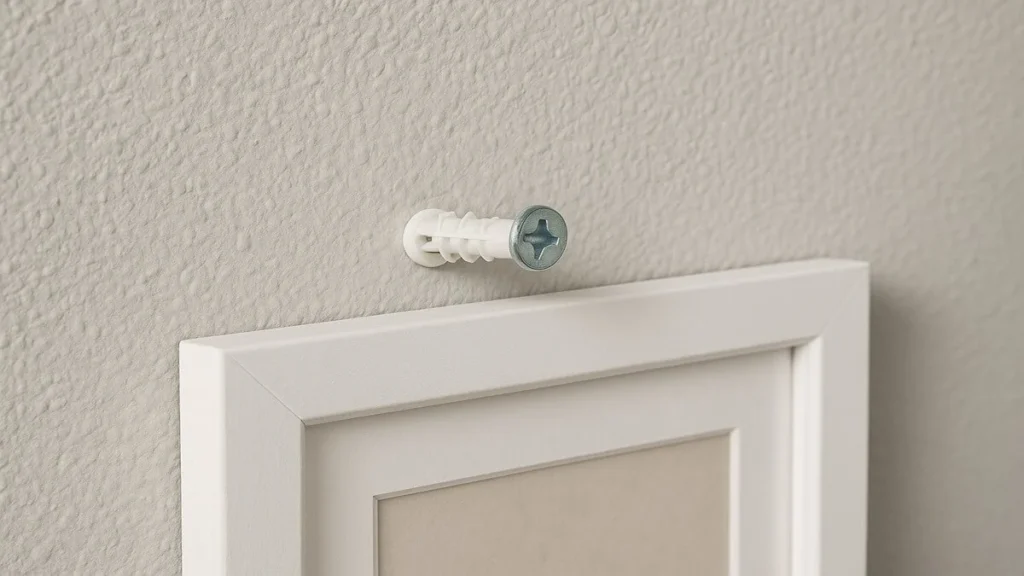
If you’ve ever tried to hang something heavy on drywall and watched it slowly pull away from the wall, you’re not alone. Drywall isn’t designed to hold much weight by itself. Screws alone often tear through the soft material over time. Therefore it’s important to learn how to use drywall anchors. These small devices give strength and grip to screws in drywall, letting you safely hang shelves, mirrors, curtain rods, or anything else that needs reliable support.
Why Drywall Anchors Are Needed
Drywall, also called wallboard or plasterboard, is soft and crumbly inside. While it is best for covering walls quickly and creating smooth surfaces, it doesn’t offer much strength. When you put a screw directly into drywall without an anchor, it has almost nothing to grip onto. As time passes, even a small amount of weight can pull the screw out and damage the wall.
The Problem With Just Screws
It might seem fine at first when you use a screw alone. But as the item hangs on the wall and shifts or vibrates, the pressure starts to wear down the drywall around the screw. Finally, the screw becomes loose or breaks through completely. This not just damages the wall but can also cause whatever you hung to fall and break.
How Anchors Fix the Issue
Anchors solve this problem by gripping the inside of the wall in a way screws alone can’t. They each expand, twist, or lock behind the drywall to create a stronger base. After installed, they hold the screw strongly and spread the weight across a larger area, keeping it stable even under stress.
Getting Ready for Installation
Before learning steps for how to use drywall anchors, it is important to select the right anchor for your project. Not all anchors are made the same, and picking the wrong one can make your wall repair harder later.
Picking the Right Anchor
There are different kinds of anchors for different needs. Plastic expansion anchors are good for light weight items. Threaded anchors screw directly into the drywall and are good for mid-weight things. Toggle bolts are metal anchors made for heavier loads. Always check the weight rating printed on the packaging and choose one that holds more than your item weighs.
Tools You’ll Need
For most installations, you’ll need a screwdriver or drill, a pencil for marking the wall, and possibly a hammer or drill bit depending on your anchor type. Some anchors need pre-drilled hole but others drill in by themselves. Inspect the instructions for your anchor before you begin.
Preparing the Wall
Start by marking the exact spot where you want to place the anchor. If you’re hanging more than one item like a shelf with two brackets—use a level to make sure your marks are straight. You should also inspect the wall for studs, pipes, or wires behind it. A simple stud finder can help you avoid damaging anything hidden.
Step-by-Step Anchor Installation
When you’re ready, follow these steps to install your anchor and screw completely. Doing this right ensures your item stays in place and your wall remains undamaged.
Inserting the Anchor
Start by either drilling a pilot hole or pressing the anchor directly into the wall, depending on its type. For push-in anchors, smoothly tap them into the wall with a hammer until they are flush. For threaded anchors, insert them into the wall and gently turn with drill until the anchor is tight and flat against the surface.
Installing the Screw
Put screw into the center of the anchor and slowly turn it clockwise. As the screw goes in, it will expand or grip the anchor from inside. This step may also cause the anchor to lock into place behind the drywall. Stop turning when the screw feels firm. Do not overtighten, in that case you might crack the drywall or damage the anchor.
Testing for Strength
After the screw is installed, give it a gentle pull to make sure it’s solid. If the anchor moves or feels loose, remove it and start over with a better-fitting anchor or in a new location. Once it feels tight, your anchor is ready to support the item you’re hanging.
Mistakes to Watch Out For
Even a simple job can go wrong without careful attention. Many anchor failures happen because of rushed work or using the wrong tools. Avoiding these common issues will help make sure your anchor holds properly.
Using the Wrong Size
A small anchor won’t hold a heavy item, and an oversized anchor might break the wall or leave too large a hole. Match the anchor’s weight rating and screw size to your project. Don’t guess—check the box before starting.
Drilling at an Angle
Always insert anchors straight into the wall. A tilted anchor or screw can shift over time and weaken the hold. If you are not drilling straight, use a guide or level to help.
Overtightening the Screw
Too much turning screw can strip the anchor or spin it loose inside the drywall. Turn screw until it feels snug. If the screw keeps spinning or doesn’t stay tight, remove the anchor and try again.
Removing and Replacing Anchors
Knowing how to use drywall anchors also means to knowing how to remove them completely. Maybe you’re moving furniture, changing decor, or fixing a bad install. Removing anchors the right way keeps wall damage minimal.
Taking Out the Screw
Unscrew the screw carefully by turning it counterclockwise. Don’t pull or yank—it should come out smoothly. Once the screw is out, decide whether to remove the anchor or push it into the wall.
Dealing With the Anchor
Some anchors can be pulled out with needle-nose pliers. Others, especially toggle bolts, should be pushed into the wall cavity behind the drywall. If you try to yank them out and they resist, you may damage the wall.
Fixing the Hole
After removal, fill the hole with lightweight spackle. Let it dry, sand it smooth, and repaint. A well-patched wall can look as good as new in less than an hour.
Learn more about: How to Install Hardwood Floors?
Hang with Confidence Every Time
Now that you know how to use drywall anchors, you don’t have to worry about falling shelves or loose wall fixtures. Anchors give drywall the strength it was never meant to have on its own. With the right anchor, careful steps, and with steady hand, you can hang everything from artwork to storage safely and confidently. It is simple skill, but one that makes every home project a little easier and a lot stronger.
How to Install Hardwood Floors

Hardwood floors bring elegance, value, and warmth into a home. The lasting look of wood underfoot not only complements most interior styles, but it also holds up for decades with proper care. If you are planning to upgrade a room or replace old flooring, learning how to install hardwood floors gives you the knowledge to do it confidently or at least understand what’s involved when hiring a professional.
Installing hardwood is more than just placing boards. It’s a step-by-step process that starts before the first plank is ever laid and continues through the final trim and polish. Whether you’re using solid hardwood or engineered wood, this guide walks you through each essential part.
Pre-Installation Matters
Even the best flooring materials can fail if the prep work is sloppy. That’s why every great floor starts with solid groundwork.
Subfloor Inspection and Repair
Your hardwood will only be as strong as the surface it rests on. Begin by inspecting the subfloor. It must be dry, flat, and free from damage. Any moisture issues, dips, or bumps should be addressed before going further. For concrete, inspect moisture levels and set up vapor barrier. With wood subfloors, make sure all boards or plywood are secured and level.
Gaps and raised joints should be filled or sanded down. High spots can create instability, but low spots might cause boards to flex and eventually crack.
Acclimating the Wood to Its New Home
A crucial yet often skipped step in understanding how to install hardwood floors is acclimating the boards to the room’s climate, because wood is a natural material, it expands and contracts based on temperature and humidity. To avoid future warping or gapping, let your flooring rest in the room for at least 72 hours. Keep the boxes open and lay them flat. The HVAC should be running as normal, so the wood adjusts to the same conditions it’ll experience after installation.
Planning the Layout
Before you start installation, spend time thinking through the layout. This includes deciding the direction of the boards most people lay them parallel to the longest wall or along the path of natural light for a better look. Mark the first few rows using a chalk line. Don’t forget to leave a ½-inch expansion gap around all walls. This allows the wood to expand naturally with changes in humidity. You’ll cover the gap later with baseboard or trim.
Laying Down the Planks
With the surface ready and layout planned, now comes the most rewarding part—installing the boards.
Select the Right Installation Method
The three main installation types are nail-down, glue-down, and floating. Solid hardwood is usually nailed or stapled into a wood subfloor. Engineered hardwood offers more flexibility. It can be glued to concrete or floated over underlayment. Nail-down provides the firmest feel underfoot and is common in traditional homes. Glue-down creates a quiet, solid floor but requires precise adhesive work. Floating is the easiest for DIYers, requiring no fasteners or glue it simply clicks into place.
The First Row is Everything
Start along your reference chalk line. Use spacers against the wall to maintain the expansion gap. Choose your straightest boards for the first row and double-check alignment before fastening. Once this row is down, each one that follows will build off its accuracy. Mistakes here will ripple across the room. Install slowly and steadily, making sure every joint is tight.
Keeping a Random Pattern
Avoid lining up the seams between boards across rows. Instead, stagger them by at least six inches to create a strong structure and natural look. Cut boards to size as needed and start new rows with off-cuts to reduce waste. Use a tapping block and mallet to secure the fit, especially for tongue-and-groove connections. Never strike the wood directly, as this could damage the edges.
Progressing Across the Room
Continue working row by row, checking spacing and fit as you go. Step back every few rows to inspect from a distance. Keep tools and materials close by to stay in rhythm. Working too quickly may cause gaps or misalignment. It’s better to take your time and ensure each row fits perfectly before moving forward.
Final Steps That Make It Shine
Once all the boards are down, there’s still important work to do before your floor is truly complete.
Trim Work and Transitions
Remove all spacers and install your baseboards or quarter-round molding to hide the expansion gap. Use finishing nails and caulk as needed for a clean edge. Take your time here—clean trim work can elevate the entire space. Where hardwood meets other flooring, such as tile or carpet, add a transition strip. These not only look nice but help prevent damage or tripping.
Clean and Evaluate the Floor
Vacuum up dust and debris from installation. Then lightly damp mop the floor using a microfiber cloth. Avoid heavy water use hardwood and moisture don’t mix. Walk across the entire floor. Listen for any squeaks or hollow spots that might indicate a loose board. Catching these early allows for easier fixes before furniture goes back in.
Applying Finish (If Needed)
If you installed unfinished hardwood, now is the time to sand and apply your finish. This seals the surface and enhances durability. Choose between oil-based and water-based polyurethane depending on your preference for shine, odor, and drying time. Allow the floor to cure fully before moving furniture or rugs back in. Rushing this can lead to smudging or damage.
Read more: How to Cut Drywall?
Every Step is a Statement
Installing hardwood isn’t just about putting down planks—it’s about building something that will last. By learning how to install hardwood floors, you gain a deeper appreciation for the craftsmanship behind each line and grain. It’s not just a surface; it’s a foundation for memories. A floor that feels cool under bare feet in the morning. One that shines in the afternoon sun. One that creaks just enough to remind you it’s real.
Understanding this process gives you control whether you’re a DIY enthusiast or simply want to oversee a contractor’s work. And with every board you secure, you’re not just building a floor; you’re shaping the feel of your space for years to come. Mastering how to install hardwood floors takes time and care, but the results are well worth it. You’ll not only save money on labor you’ll gain the kind of pride that only comes from building something beautiful with your own hands.
How to Cut Drywall

Knowing how to cut drywall is an important part of any home improvement or construction project. Even if you’re installing new walls or making repairs, a clean cut can make all the difference in how your finished surface looks and holds up over time. The procedure can look easy, but accuracy and the right technique matter. With a few tools and some practice, cutting drywall becomes a task you can do confidently and safely.
Understanding the Tools and Preparation Needed
Before making any cuts, it’s important to collect the correct tools and ready your work area. Good preparation helps reduce mistakes and stops material waste.
Measuring and Marking for Accuracy
The first step in cutting drywall is measuring the space where the panel will go. Use a tape measure to mark your measurements directly on the drywall sheet. A pencil works best because it leaves a visible but removable mark. When you are cutting multiple pieces, double-check each measurement to ensure it lines up perfectly with the framing or existing space.
Next, take a straight edge or drywall T-square to draw a clear line. This line is your guide for making the cut. If you’re cutting for outlets or light switches, it’s helpful to use a level to mark vertical and horizontal lines so everything stays upright.
Choosing the Right Cutting Tool
Drywall can be cut using some types of tools. The most common is a utility knife with a sharp blade. For thicker panels or curved cuts, a jab saw (also called a drywall saw) works well. Some professionals use rotary cutting tools for outlets or pipes, especially when time is limited. The tool you choose should match the cut you’re making, whether it’s a long straight line or a small opening.
Safety Before You Begin
Even though drywall seems harmless, safety should not be ignored. Cutting creates fine dust that you shouldn’t breathe in. Always wear a dust mask or respirator, and if you’re using a powered cutting tool, wear safety goggles. Gloves can protect your hands from sharp blades and rough edges, especially when snapping or sanding the board.
Step-by-Step Instructions to Cut Drywall Cleanly
Once you’re ready to begin, the cutting process can be completed in a few simple steps. Clean cuts save time when installation and improve the final look after taping and finishing.
Scoring the Face of the Drywall
With your panel laid flat and your guide line marked, use a sharp utility knife to score the front (paper side) of the drywall along the line. Apply firm pressure and keep the knife aligned with your straightedge for good results. You don’t need to press all the way through—just enough to create a groove in the paper and top layer of gypsum.
A second pass with the knife may be needed for thicker boards or if the blade is dull. Dull blades tend to tear the paper instead of slicing it, which can lead to a rough edge that’s harder to finish later.
Snapping the Board
Once scored, stand the drywall upright and apply a light push from the back side. The drywall should snap cleanly along the scored line. This is where precision matters—if the score wasn’t straight, the snap could run off-line. After snapping, fold the panel slightly like a book so you can access the back paper layer.
Cutting Out Openings
Learning how to cut drywall for outlets, pipes, and fixtures takes a bit more patience. Start by measuring and marking the exact location of the opening. A jab saw is ideal for making small square or circular holes. Push the tip into the drywall and move in a slow sawing motion. Try to stay within your marks to avoid gaps later.
For round cuts or multiple cuts in tight areas, a rotary tool with a drywall bit can be faster and cleaner, particularly during dealing with pre-mounted electrical boxes. Once the cutout is made, quick-dry the panel to ensure each thing aligns before fixing it into place.
Common Mistakes to Avoid While Cutting Drywall
Learning how to cut drywall properly also means knowing what not to do. Even a small mistake can cost you time, money, or the look of your finished wall.
Rushing the Scoring Process
One of the most frequent errors is rushing through the scoring step. If the blade skips or your line is uneven, the drywall won’t snap cleanly. That leaves jagged edges that are hard to align. Taking an extra 10 seconds to re-score the line can save time on sanding or repair work later.
Cutting Without Support
When the drywall isn’t fully supported during cutting, it may crack or crumble. This happens a lot when working with long sheets or trying to cut mid-air. Always use sawhorses or lay the board on a stable surface. Letting one side hang over a ledge often results in unintended breaks.
Forgetting to Label or Orient Panels
After making several cuts, it’s easy to lose track of which piece fits where. Labeling the back of each cut piece with a pencil helps avoid confusion during installation. If you’re cutting for multiple outlets or uneven wall sections, this small step keeps everything in order.
Read more: How to Patch Drywall?
Tips to Improve Cutting Results Over Time
The more you cut drywall, the easier it becomes. Still, there are small tips that even experienced builders use to get consistent results.
Change Blades Frequently
Utility knives work good when blades are sharp. If you notice tearing, hesitation, or drag while cutting, replace the blade immediately. A sharp edge provides cleaner lines and helps prevent tearing the paper face of the board.
Test Fit Before Screwing
After every cut, quick-dry the piece into place before fixing it. This helps you confirm measurements and correct minor mistakes before finishing. Panels that do not align can lead to noticeable seams or uneven joints later.
Practice on Scrap Pieces
If you’re new to drywall work, so you should practice on some scrap panels before cutting into full sheets. This will build confidence and help you understand how much pressure to use during scoring and snapping.Mastering how to cut drywall takes practice, the right tools, and patience. However you are doing straight cuts, openings, or repairs, clean edges and good fit are key to making your drywall job look professional. Always measure carefully, score deeply, and cut with control.
How to Patch Drywall

If your wall has dents, holes, or cracks, you might be thinking how to patch drywall without calling a contractor. Luckily, repairing drywall is simpler than you may think. With a few tools, some patience, and the right technique, your walls can look like new again—no major renovation needed. Whether you’re fixing a doorknob-sized dent or a larger damaged section, drywall repair is a basic home improvement skill that can save you money and boost your confidence.
Knowing the Type of Drywall Damage You’re Fixing
Not all drywall damage is the same, so the repair method changes based on what you’re dealing with. Before reaching for joint compound or tape, take a closer look at the problem.
Small Holes and Surface Dings
Nail holes from picture frames or dings from furniture are the easiest to patch. These shallow imperfections don’t go deep into the drywall panel and can usually be repaired with just some spackle or lightweight joint compound. They require no cutting or mesh, just a smooth application followed by light sanding.
Medium-Size Damage
When the hole is a bit bigger—perhaps from a doorknob or a failed wall anchor—you’ll need a patch. These areas often need a mesh patch or pre-cut drywall repair kit to support the compound. If ignored, the wall may remain weak or even crack more.
Large Holes or Cut-Outs
Sometimes, holes can be too big to fill with spackle or mesh, in these cases you need to cut out a square around the damage and put a new piece of drywall. This method may sound advanced, but it’s manageable with a bit of care. Learning how to patch drywall well means being prepared for these larger jobs too.
Prepping the Wall and Tools Before You Begin
Jumping straight into patching without setup is a recipe for poor results. A clean, solid surface is key for a long-lasting repair.
Cleaning and Checking the Area
Start from clearing away any loose drywall or dust around the damage. Use a sheetrock knife to remove any broken pieces of paper or spackling compound. A shop vacuum or dry brush helps remove the remaining debris. The cleaner the area, the better your compound will stick.
Look at the edges around the hole. Are they solid, or crumbling? If the drywall is cracked or soft around the damage, expand your repair area until the edge feels strong. Weak edges will lead to future cracks even after you’ve finished patching.
Gathering the Right Tools and Materials
To get a proper patch, you’ll need a few simple tools: a utility knife, drywall saw, sanding sponge, putty knife, joint compound or spackle, and possibly a mesh patch or scrap drywall. For larger repairs, drywall screws, a drill, and a backing board may be required.
It’s always a good idea to lay down a drop cloth under the repair area. Even a small patch job can generate dust that sticks to floors and furniture.
Step-by-Step Guide to Patching Like a Pro
Once the area is ready already and your tools are ready, it’s time to patch. Even beginners can follow this step-by-step method and get professional-looking results.
Applying a Quick Fix for Small Holes
For nail holes or tiny dents, squeeze a bit of spackle onto a putty knife and press it into the hole. Remove the excess and let it dry. Once it dry, sand it smooth and apply a second layer if needed. After a final sanding, it’s ready for paint.
These quick repairs are perfect for refreshing walls before painting or putting a home on the market. Understanding how to patch drywall at this level makes home upkeep faster and less stressful.
Using a Mesh Patch for Mid-Sized Damage
For holes around 2 to 5 inches wide, a self-adhesive mesh patch works well. Stick the patch over the hole, then apply joint compound over the entire area using a wide putty knife. Smooth it out so the edges blend with the wall. Allow it to dry, then sand it down and apply another layer if needed.
Be sure to feather the compound past the patch so the final surface doesn’t leave a visible ridge. Once it’s smooth, it’s ready for priming and painting.
Cutting and Replacing Large Sections
When the hole is more than 5 inches or shaped irregularly, cut a clean square around the damage with a utility knife or drywall saw. Then, cut a new piece of drywall to fit that hole.
Secure a backing board behind the wall opening using screws or adhesive, then screw the patch into place. Cover the joints with joint tape. then apply joint compound in smooth, thin layers. Sand between layers and build up the surface slowly until it’s flush.
This method takes more time but results in a nearly invisible repair. You’ll appreciate having mastered how to patch drywall when a larger repair comes your way unexpectedly.
Tips to Avoid Common Mistakes and Finish Strong
Patching drywall can be straightforward, but a few common errors can cause frustration or leave behind an obvious blemish.
Rushing the Drying Time
Each layer of joint compound needs to dry fully before sanding or painting. Trying to move too quickly can cause peeling, cracking, or dust that clogs your paint. Give the compound the time it needs—even if the surface feels dry to the touch, the inside may still be soft.
Skipping the Sanding Step
Sanding is just as important as patching. Without sanding, your wall will feel bumpy and look uneven after it painted. Use a sanding sponge for smooth blending. For large patches, sand a wider area so the repair blends seamlessly into the wall surface.
Not Matching Paint or Texture
When your repair is dry and smooth, the last step is priming and painting. Always use a primer before applying paint, or the patch may absorb paint differently than the rest of the wall.
For textured walls, you will need to match the texture before painting. Spray texture kits or sponge dab technique can help replicate orange peel or knockdown finishes.
Read more: How to Install Vinyl Plank Flooring?
When You Know How, You Control the Outcome
Learning how to patch drywall gives you more than just a clean wall. It gives you the confidence to fix damage quickly, skip unnecessary repair costs, and keep your home looking its best. Whether you’re covering up small dings or replacing whole sections, the method is in your hands. The more you practice, the better your results—and the less anyone will ever know a hole was there.
How to Install Vinyl Plank Flooring
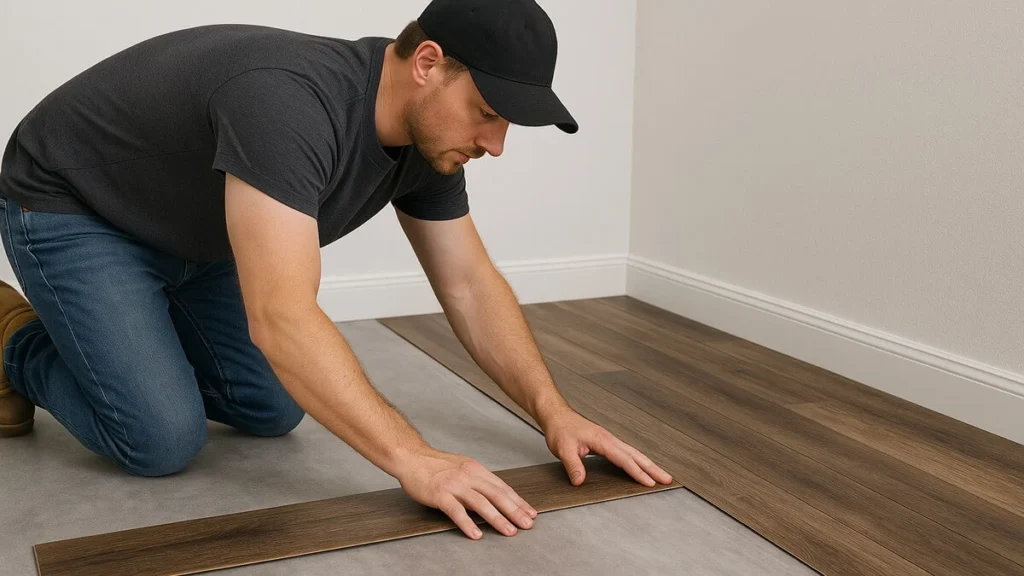
Vinyl plank flooring has become a favorite in homes, offices, and also retail spaces. With its sleek wood-like look, waterproof features, and easy installation, it’s no wonder that so many people are choosing this budget-friendly option. Even if you’re upgrading your kitchen, basement, or living room, knowing how to install vinyl plank flooring can save you money while giving your space a polished, modern feel.
But do not let its simplicity fool you. Installing vinyl plank requires a sharp eye and a bit of patience. With all preparation, careful cuts, and smooth execution, you can achieve professional-level results all on your own.
Planning Before You Start
Every successful project begins with planning, and laying vinyl plank is no exception. Making the subfloor right and understanding your space helps avoid problems later.
Evaluating the Subfloor
First, clear the area completely and check what lies under. You need a flat, dry surface before installing any type of flooring. Remove old carpet, nails, and leftover adhesives. If your subfloor is concrete so test it for moisture using a plastic sheet taped down overnight. For wood subfloors, make sure everything is nailed tightly and doesn’t squeak.
Vinyl planks are flexible but unforgiving on uneven floors. Dips, bumps, or cracks will show once the floor is in place. If needed, use a self-leveling compound to fix trouble spots and sand down any high ridges.
Letting the Planks Acclimate
Vinyl flooring needs time to adjust to the room. Leave the boxes unopened in the space where they’ll be installed for at least 48 hours. This allows the material to adapt to temperature and humidity. Skip this step, and you risk shrinking, expanding, or warped planks later.
Designing the Layout
Before you start locking anything into place, take measurements. Think about how the planks will line up with the walls and where seams will land. Most people install planks parallel to the longest wall or the way natural light enters. If the final row looks too narrow, adjust your first row to balance it out.
A chalk line snapped across the room gives you a straight guide to follow. A little extra planning now will make the entire project easier and more accurate.
Installing the Floor Step by Step
This is the exciting part—transforming your space with each plank you snap into place. But take it slow. Precision here makes all the difference.
The First Row Matters Most
Start in a corner of the room, placing your first plank with its groove side facing the wall. Use spacers to leave an expansion gap—about ¼ inch—between the wall and the planks. This gives the floor room to expand without buckling.
The first row must be completely straight. Any mistake here will throw off every row after it. Make sure each plank locks tightly with its neighbor. Tap gently with a rubber mallet and a tapping block for a snug fit, but don’t force it.
Staggering Seams for Strength
You should never line up plank seams in straight lines. Instead, stagger them by starting each row with a different-length plank. This not only looks better but also strengthens the entire floor system. Most manufacturers recommend keeping end joints at least 6 inches apart from row to row.
Use offcuts from the previous row to begin the next. This reduces waste and keeps your layout natural and consistent.
Handling Obstacles and Corners
Doorways, vents, and tight corners can slow you down but with careful cutting you can fit planks around almost anything. A jigsaw or oscillating tool helps you shape around doorframes and pipes. Don’t rush these cuts—take your time to measure, mark, and double-check.
If needed, undercut door frames and slide the planks underneath for a unseamed look. For larger gaps, plan to cover them with baseboards or transition strips later.
Finishing Touches that Complete the Look
You’ve laid the planks, but the project isn’t quite done. The final steps give your floor its clean, finished appearance—and help protect your work for years to come.
Locking in the Last Row
The last row is usually the narrowest and trickiest to install. Measure the gap, cut the planks lengthwise, and click them into place with a pull bar. Be sure to maintain that expansion gap here too.
Cutting these final pieces takes care and patience. It is worth taking your time to avoid damaging the edges or leaving rough spaces.
Reinstalling Baseboards and Trim
When the planks are fully installed, remove the spacers and reinstall your baseboards or trim. This covers the expansion gap and frames the room nicely. If you removed any door casings, put them back in place after cutting them to fit over the new flooring.
Also, install threshold strips where the vinyl meets other types of flooring, like tile or carpet. This makes the transition smooth and visually appealing.
Cleaning and Maintenance Tips
Clean or vacuum the floor completely after installation. Use a damp—not wet—mop for the first clean. Avoid harsh chemicals and always follow manufacturer cleaning instructions. Vinyl is durable, but securing it from scratches and dents will extend its life.
Add felt pads to furniture legs and arranging mats at entrances to reduce dirt and debris. With regular care, your vinyl plank floor will keep its luster for years.
Read more about: How to Mud Drywall?
A DIY Project Worth Taking On
Mastering how to install vinyl plank flooring is more than just a skill it’s a chance to transform your home with your own hands. The process is simple enough for beginners, yet rewarding enough for seasoned DIYers. You get a high-end wood look, moisture resistance, and a surface that holds up under daily life.
And because installation doesn’t require expensive tools or special training, it’s one of the most budget-conscious flooring options available today. Even if you’re revamping a room or remodeling an entire home, knowing how to install vinyl plank flooring helps you get the most value from your investment.
In the end, it is not just about saving money or improving aesthetics—it’s about pride in the finished product. From the first plank to the final trim, understanding how to install vinyl plank flooring gives you the power to take your space to the next level.
How to Mud Drywall
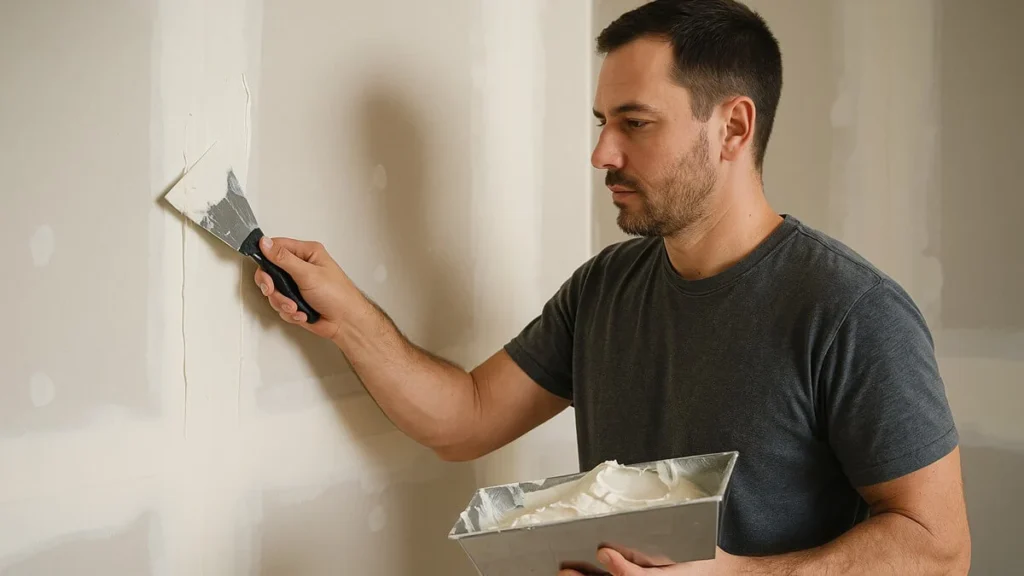
Learning how to mud drywall is essential for anyone diving into home repairs or building projects. It’s the procedure that makes walls look clean, smooth, and paint-ready. While hanging drywall is one step, applying joint compound (or “mud”) takes it to the next level. Without mudding, drywall joints and screw holes remain visible. With it, your walls look flawless and professional. Even if you’re a starter or tackling your first big project, understanding the right technique makes all the difference.
The Work Before the Mud
Before applying any joint compound, the surface and surroundings must be prepared properly. This helps the mud bond well and makes sure a cleaner job.
Remove Dust and Scrape Imperfections
The first step is clearing off any drywall dust or paper scraps. Use a dry cloth or broom to brush off each seam and corner. If there are sharp bits, glue, or leftover pencil markings, use a utility knife or scraper to smooth them down. This cleaning step may feel small, but it’s essential to helping the mud stick evenly.
Apply Tape Over Seams
Drywall tape acts like a bridge between panels. Without it, mud will crack along the seams over time. There are two kinds: paper tape and mesh tape. Paper tape is stronger but needs more skill to apply. Mesh is easier for beginners. Line up the tape right down the center of each joint and press it flat. Inside corners also need tape—fold the tape along the crease and press it in evenly.
Pick the Right Joint Compound
For first-timers, premixed joint compound is best. It’s ready to use straight out of the bucket and gives you time to work before drying. Professionals often use setting-type compound (hot mud), which dries faster but needs to be mixed. If you’re just learning how to mud drywall, stick with premixed for more control.
Applying the First Coat
The first layer of mud is all about coverage. This coat hides the tape, fills screw holes, and starts blending everything together.
Cover Seams with Consistent Pressure
Use a 6-inch taping knife for the first coat. Scoop a small amount of mud and spread it evenly over the taped joints. Hold the knife at a slight angle and press the mud into the seam. Your goal is to bury the tape without adding too much thickness. Remove extra compound as you go to keep the surface flat.
Fill Screws and Nails
Tiny holes left by screws or nails also need to be covered. Apply a little mud over each one and scrape it flat. Don’t worry about perfect smoothness yet—just focus on filling everything. Once dry, you’ll be able to sand and touch up later.
Don’t Forget the Corners
Inside corners take patience. Use a corner knife or a regular 4-inch taping knife. Apply mud to both sides of the corner and smooth it out with even strokes. These areas will need more sanding later, but they form the foundation of the wall’s shape and should be treated carefully.
The Second Coat
Once the first coat dries completely (usually 12–24 hours), the next coat is used to smooth rough areas and feather the edges farther out.
Use a Wider Knife for Better Spread
Move up to a 10-inch or 12-inch drywall knife for the second coat. Spread the mud wider than the first layer so you’re gradually blending the seam with the rest of the wall. Keep your strokes smooth and avoid deep ridges. You’re not just hiding seams—you’re sculpting a wall.
Smooth Corners and Build Layers
For corners, apply more mud on each side and feather it outward. If the first coat was bumpy or thin, this second layer should fix it. Don’t rush, and don’t overload your knife—thin layers dry better and sand easier.
Check for Flaws Using a Work Light
Shine a flashlight or work light across the wall at an angle. This will show dips, lines, or raised areas that might not be visible straight on. Use this check as a guide while working. The more even your mud, the less sanding you’ll need.
Final Coat and Sanding
The third coat is your finishing layer. This one is all about blending and polishing the wall to look like one smooth surface.
Go Thinner and Wider
The final coat should be the thinnest. Use the widest knife you can manage to extend the feathered edges even farther. This makes seams completely disappear once painted. You shouldn’t see any tape lines, screw spots, or blade marks after this coat is done.
Let It Dry Without Touching
Give this coat a full day to dry. Even if it looks dry on the surface, touching or sanding too early can ruin the finish. Once fully dry, run your hand gently across the surface. You should feel a smooth, even plane. If not, touch up lightly with more compound.
Sand with Care and Precision
Use fine-grit sandpaper or a sanding sponge to smooth everything. Always sand in a circular motion and use soft pressure. The idea is to blend—not remove. Over-sanding can damage the paper and undo all your hard work. If dust is a concern, use a damp sponge instead of dry sanding to reduce particles in the air.
Mudding Ceilings, Corners, and Special Spots
Walls aren’t the only places that need mud. Ceilings and inside corners require their own attention. Knowing how to mud drywall also means knowing how to adapt for tricky spaces.
Overhead Work on Ceilings
Mudding ceilings uses the same technique as walls but requires more stamina and control. Use smaller batches of compound to avoid dripping and take breaks as needed. Ceiling seams should be feathered wider since overhead lighting will reveal every flaw.
Inside and Outside Corners
Corners should be done slowly and with precision. Inside corners use folded tape and a corner knife. Outside corners often use metal or plastic corner beads, which need to be covered with multiple layers of mud to become invisible. Both types of corners usually take more sanding than flat seams.
Matching Wall Textures
Once the mud is dry and sanded, you may need to match the texture of the surrounding wall. Spray texture or sponge techniques can copy knockdown, orange peel, or other styles. Always test the texture first on scrap drywall or a hidden section before applying it everywhere.
Read more: How Thick Is Drywall?
Why This Skill Pays Off
Learning how to mud drywall gives you the freedom to repair, remodel, or build without hiring out for every job. It’s not just about covering joints—it’s about creating a perfect surface that’s strong, smooth, and ready for anything. However you’re flipping a room or fixing one bad spot, you now have the steps and confidence to make your walls look professional. With each project, your mudding skills will improve, saving you time, money, and frustration down the line.
How Thick Is Drywall
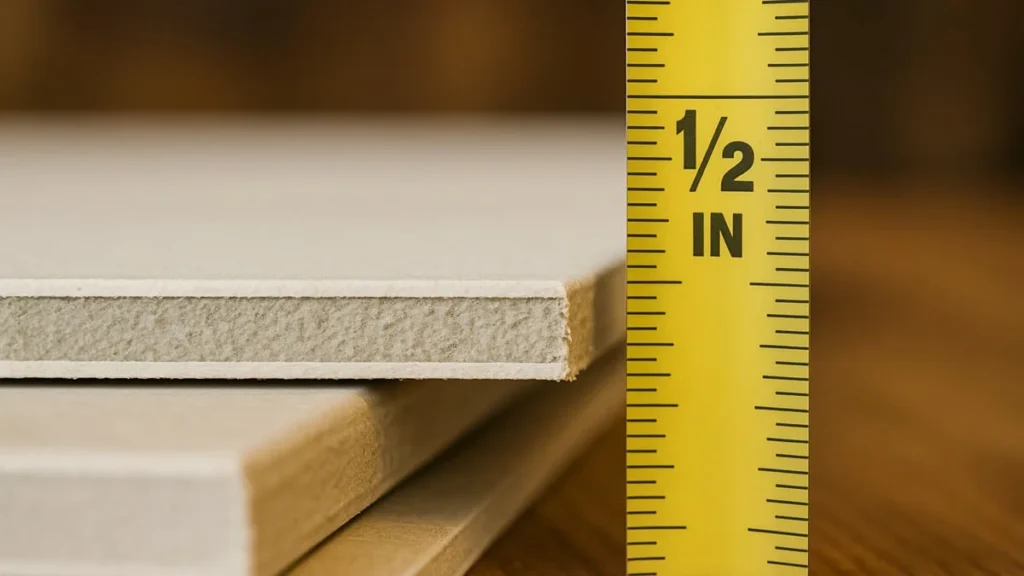
During planning a build or renovation, one question always comes up how thick is drywall supposed to be? The answer isn’t one-size-fits-all. Different projects call for different drywall thicknesses based on purpose, code compliance, and performance needs. Even if you’re tackling ceilings, dividing rooms, or soundproofing a workspace, drywall thickness plays a major role in both function and durability. Understanding the standard sizes, specialized types, and real-world applications ensures you pick the right option the first time.
What You Need to Know About Standard Drywall Sizes
Most people assume drywall comes in just one size, but it’s available in a range of thicknesses. Choosing the right one depends on how it’s going to be used and the environment it’s placed in.
1/2-Inch Is the Most Common Choice
For residential interiors, 1/2-inch drywall is the gold standard. It is strong enough for most walls and ceilings and light enough to make installation manageable. It’s the go-to choice for living rooms, bedrooms, and even kitchens, where strength, finish quality, and affordability all matter. It works best with 16-inch stud spacing and offers just enough thickness to resist minor impacts and allow for texture or paint finishes.
5/8-Inch Is Built for Strength and Safety
In commercial spaces or where enhanced fire resistance is required, 5/8-inch drywall becomes necessary. It resists sagging over time, especially when used on ceilings and it meets fire code requirements in many areas. This thickness also offers better sound insulation and is frequently found in apartment buildings, offices, and garages that connect to homes.
Thinner Boards for Special Applications
There are also 1/4-inch and 3/8-inch drywall panels. These thinner boards are not used for primary wall structures but they are ideal for curved surfaces, covering existing walls, or patching damaged sections. Because they lack rigidity, they’re more of a supplemental material than a structural necessity.
Performance Considerations Beyond Thickness
While understanding how thick is drywall is essential, knowing what’s inside or behind that drywall matters just as much. Performance often hinges on what problem you’re trying to solve—whether it’s water exposure, noise, or fire safety.
Fire Resistance and Building Codes
Fire-rated drywall is typically 5/8 inches thick and contains additives like fiberglass to slow down combustion. It’s often required between attached garages and living spaces or in multifamily construction where added safety is mandated. Using the wrong thickness here won’t just fail an inspection—it can put lives at risk. So that checking your local code and selecting approved fire-rated panels is a must.
Moisture-Resistant Solutions
Greenboard and purple board drywall are available in both 1/2-inch and 5/8-inch thicknesses and are formulated to handle humidity better than standard gypsum. While not suitable for direct contact with water, these boards work well in bathrooms, laundry rooms, and damp basements. They hold up better over time and help prevent mold growth where moisture is a regular concern.
Sound Dampening Benefits
When sound isolation is a goal—like in media rooms, home offices, or shared walls—drywall thickness makes a difference. A single layer of 5/8-inch board helps reduce noise transfer, and when combined with acoustic insulation or a second drywall layer, results are even better. In fact, some builders choose specialty soundproof drywall panels that mimic the density of multiple boards in one thick panel.
Installation Impact
Understanding how thick is drywall also helps prepare for what the installation process will be like. Thicker panels offer more benefits, but they’re also heavier and more labor-intensive.
Handling and Cutting Differences
While 1/2-inch drywall is manageable for most do-it-yourselfers, 5/8-inch panels can be cumbersome and commonly require two people or drywall lift, especially for overhead work. The added density also makes cutting slightly more difficult. By using the right utility knife and supporting the board properly helps maintain accuracy and reduces cracking or splitting.
Joint Treatment and Finishing
Thicker boards provide a more stable base for taping and mudding because they avoid flexing and movement at seams. This helps prevent cracking in the joint compound over time and results in smoother finishes. Professional contractors often prefer working with 5/8-inch panels in high-end projects where finish quality is critical.
Weight and Load on the Structure
A normal 4×8 sheet of 1/2-inch drywall weighs about 50 pounds, while the same sheet of 5/8-inch can weigh over 70 pounds. That’s an important difference when covering large areas. It’s important to ensure the framing and support system can handle the additional load—especially in ceiling applications.
Click for Drywall Estimating Services.
Room-by-Room Recommendations
Applying the right thickness of drywall based on room use improves durability, appearance, and long-term value. Here’s how the choice plays out across a typical building.
Bedrooms and Living Rooms
Standard 1/2-inch drywall works perfectly for these rooms. It’s money-saving, meets structural needs, and gives a smooth finish that accepts paint or wallpaper easily. There’s generally no need for extra thickness unless you’re targeting advanced soundproofing.
Bathrooms, Kitchens, and Utility Rooms
These spaces benefit from moisture-resistant drywall, and while 1/2-inch may still suffice, 5/8-inch greenboard offers extra durability and better resistance to humidity. Installing the right board from the start prevents future problems like mold or softening.
Garages and Fire-Resistant Walls
In these areas, code often requires 5/8-inch fire-rated drywall. Not only does this improve safety, but it also holds up better in environments where impact and exposure may be more intense, such as garage workshops or storage areas.
Ceilings and Large Spans
Thicker drywall is important for ceilings over large spans. 5/8-inch panels help prevent sagging and give the room a clean, flat look. This is particularly important in living rooms or basements where you want a professional-grade finish.
Read more: How to Price Concrete Jobs?
Final Thoughts
If you’ve been thinking about how thick is drywall, the answer depends on where and how you plan to use it. Residential walls normally use 1/2-inch panels, but ceilings, fire-rated assemblies, and sound-sensitive areas may require 5/8-inch or specialty boards. By matching the drywall thickness to the demands of each space, you get better durability, safer structures, and an overall smoother finish. Making the right choice upfront prevents costly rework and keeps your build in line with both performance and code.
How to Price Concrete Jobs

Understanding how to price concrete jobs is an important skill that every concrete contractor must master to stay profitable. Whether you’re handling small residential pours or large-scale commercial slabs, your success starts with knowing how to give an accurate, fair, and competitive quote. This is not just about knowing the cost of materials, it’s about to understand the job carefully which includes labor, tools, site conditions, overhead, and profit. Knowing this can help you grow your business, build trust with clients and conserving on undercut projects.
Assessing the Job Scope and Site Conditions
Each job starts with details so before you estimate a price, it is important to know exactly how to price concrete jobs, what client wants, and what the job will require. This begins with visiting the site or at least reviewing clear drawings or specifications. Simple driveway may sound easy until you find out it needs to be reinforced, sloped for drainage, or poured in sections. The surface area, concrete thickness, and reinforcement requirements will all influence your final cost.
Measuring Dimensions and Concrete Volume
Once you know the layout, measure the length, width, and thickness of the area to be poured. Multiply these to get the total cubic feet, then divide by 27 to convert to cubic yards. Most ready-mix concrete is sold by the cubic yard, so this number forms the base of your material cost. It’s wise to add around 10 percent extra to cover waste or overpouring, especially if the grade is uneven.
Examining Site Access and Obstructions
The location of the pour is just as important as its size. A backyard that’s difficult to access might require additional labor to move materials by hand or with wheelbarrows. Limited truck access, slopes, or existing landscaping can all increase time on site. These hidden costs of labor and tools must be added to your estimate from the starting.
Calculating Materials, Labor, and Time
After assessing the site and job type, begin listing out the materials and labor required. The cost of concrete varies depending on your location, but a typical range is $100 to $150 per cubic yard. Along with the concrete itself, you will need to account for the base gravel, form boards, steel augmentations like rebar or mesh, curing agents, and sealers if requested.
Estimating Labor and Manpower
Labor is major part of your cost. You need to calculate how long the job will take and how many workers are needed to complete each phase. This includes preparation, forming, pouring, finishing, and clean-up. Even if the concrete pour only takes one day, preparation might take another full day or more. Your own time should be included in the labor cost, whether you’re on-site supervising or doing the work yourself.
Allowing for Tool and Equipment Usage
Every concrete job requires tools—whether that’s a concrete mixer, saw, vibrator, power trowel, or pump. If you’re renting equipment, those fees should be included. If you own the equipment, consider charging a usage rate that helps cover wear and tear. You must also include fuel, delivery costs, and setup time for tools, especially on larger or more difficult jobs.
Covering Overhead and Building in Profit
Beyond materials and labor, your pricing should reflect the real cost of running your business. This includes expenses that do not directly appear on the job site but are always present—things like insurance, office expenses, vehicle maintenance, tools, software subscriptions, and advertising. A fair portion of these overhead costs should be included in every quote.
Setting a Realistic Profit Margin
Your profit is the thing that allows your business to grow and survive in slow seasons. Once you have calculated all your direct and indirect costs, you should add a reasonable profit margin, typically between 15 and 30 percent depending on your market. Some contractors worry about that adding too much profit will scare off customers, but clients will often pay more when they understand the quality and professionalism behind the service.
Accounting for Contingencies and Delays
No job goes perfectly every time. Unexpected weather, late changes or hard-to-dig soil can delay work, or increase the cost, you cannot plan for everything but you can be prepare for common issues by building small safety margins into your labor or time estimates. Clear communication with clients from the start helps to manage expectations and prevents problems during the job.
Presenting Your Estimate Clearly
It’s important to deliver a clear and detailed estimate when your numbers are ready. A well-written quote should list the job scope, material specs, labor details, equipment usage, start and end dates, and total cost. It should also include your payment terms and how long the quote is valid. Clients respect the clearness and a detailed estimate makes you professional.
Explaining What’s Included and What’s Not
Clients need to know exactly what they’re paying for. Be upfront about what’s included, such as rebar, gravel base, or sealing. Just as important is stating what’s not included. Say so if demolition, grading, or permit costs are not part of your service because this avoids confusion and keeps both parties on the same page.
Building Trust Through Clarity
When you understand how to price concrete jobs, you don’t just protect your business—you build credibility. Clients trust contractors who present detailed quotes and are willing to explain them. Whether your price is slightly higher than the price of someone else the clear communication and confidence in your work can win the bid.
Read more: How to Get Oil Out of Concrete?
Staying Competitive Without Undervaluing Your Work
It’s tempting to lower prices to win more jobs, especially in competitive areas. But underpricing leads to burnout, rushed work, and thin profit margins. Focus instead on offering value—quality materials, experienced labor, clear timelines, and reliable service. If your prices reflect the true cost of doing business, you’ll attract clients who respect your work and want long-term results.
Knowing how to price concrete jobs the right way means being prepared, precise, and professional. When your quote reflects real costs, smart planning, and fair profit, you protect your time and deliver results clients can count on. In the end, that’s what sets great contractors apart.
How to Get Oil Out of Concrete?
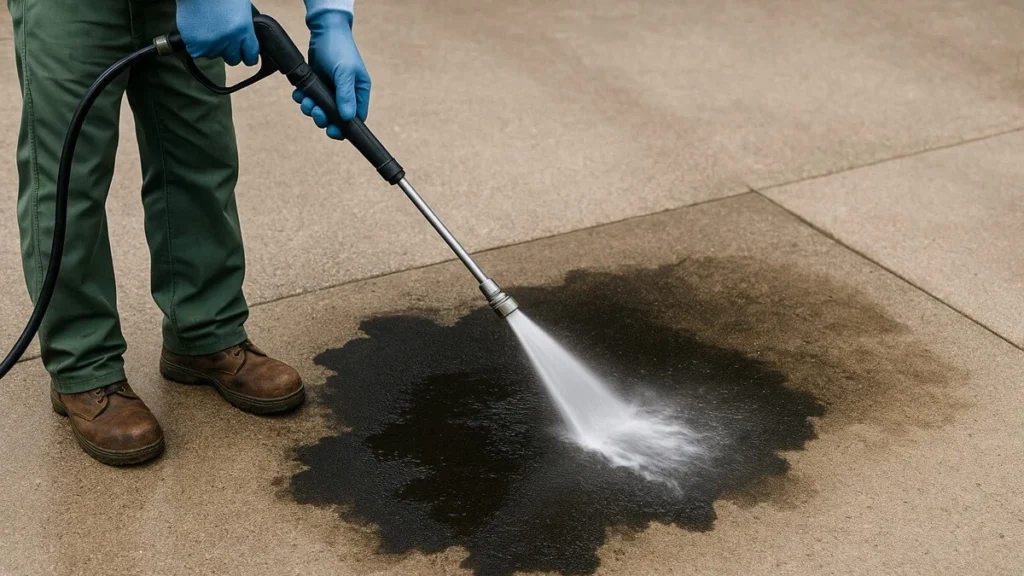
Accidental oil spills on your driveway or garage floor can look permanent, but by learning how to get oil out of concrete you can be saved from expensive repairs. Remove stains effectively requires, careful preparation, the right cleaning agents, scrubbing techniques, thorough rinsing, and long-term protection. Whether you’re dealing with a small, fresh drip or old, ground-in grease, this guide gives you straightforward steps you can follow at home to restore your concrete surfaces and keep them looking clean for years.
Preparing the Concrete Surface
Before applying any cleaning method, preparing the surface is essential. This initial stage of how to get oil out of concrete includes identifying staining, removing residue, and choosing proper materials so your cleaning efforts actually work.
Identifying Fresh vs. Stubborn Stains
If the oil is new, you’ll want to act fast. Gently blot up any visible liquid using paper towels or absorbent cloths. Doing this quickly minimizes spread and surface penetration. For older, stubborn stains, start by scraping off thick residues and thoroughly sweeping the area to remove dust, sand, or debris. A clean starting point helps ensure cleaning materials target the oil, not loose grit or dirt.
Choosing and Applying Absorbents
Common household items—clay kitty litter, baking soda, cornstarch—work surprisingly well at soaking up oil from concrete. For deeper or larger stains, try industrial absorbents designed for petroleum liquids; spread at least two inches thick and leave it for thirty minutes to overnight. The longer you wait, the more oil the material draws out of the concrete pores. During this phase, cover the area to prevent spreading and to concentrate absorbent power.
Preparing for Deeper Treatment
After initial absorption, you may still see an outline of the stain. That’s okay. At this point, prepare to use dish soap or chemical cleaners. Make sure you have proper tools—a stiff nylon brush, gloves, goggles—and a hydrogen peroxide or trisodium phosphate solution ready, depending on your next cleaning steps.
Cleaning with Soap, TSP, or Stronger Chemicals
Once the absorbent phase is done, proceed to workload options for how to get oil out of concreteusing cleaning solutions ranging from gentle soap to professional-grade chemicals.
Starting with Dish Soap or Simple Degreaser
Start with warm water that is mixed with a grease-cutting dish soap like Dawn. Dish soap helps break oil into smaller particles the water can wash away. Apply the soapy paste generously to the stained area, let it sit for a few minutes, then scrub with the nylon brush. This method is effective for moderate oil spills and is often enough to vanish the stain instead of using stronger chemicals.
Applying Trisodium Phosphate for Stubborn Grease
For old or deep-rooted stains, dish soap may not be enough. That’s when trisodium phosphate (TSP) comes in. Mix it with warm water, pour it over the stain, and scrub after a few minutes. The alkaline nature of TSP breaks down oil molecules in the concrete’s pores. Rinsing clean after TSP treatment can remove stubborn stains that a dish soap couldn’t tackle alone.
Resorting to Muriatic Acid as a Last Option
Some stains are deeply embedded and resistant even to TSP. A dilute muriatic acid solution can help. But, use it with extreme caution through wearing protective gear goggles, long sleeves, gloves, and ventilate the area. Apply the solution carefully, scrub lightly, and rinse thoroughly until the acid is completely gone. Because it’s so harsh, consider it only after soap and TSP have failed.
Scrubbing Techniques and Thorough Rinsing
Once cleaning agents are applied, solid scrubbing and rinsing are critical steps in your guide on how to get oil out from the concrete.
Using Nylon Brushes Carefully
Avoid wire brushes, which can scratch or chip concrete. Instead, use a stiff nylon brush. Scrub in circular motions with moderate pressure. Take your time; cleaning deeper pores may take several passes. As the oil lifts, you’ll see the concrete lighten.
Rinsing Thoroughly for True Results
After scrubbing it, rinse off soaps or chemicals thoroughly with a hose or low-pressure washer. Let the concrete dry completely. Drying often reveals leftover staining that was hidden when the surface was wet. If you still see oil traces, repeat the cleaning cycle until the concrete appears clean.
Evaluating Results and Repeating as Needed
Sometimes one pass is not enough. Inspect the dry surface carefully, if any discoloration remains there, you have to repeat the entire process of absorb, clean, scrub, rinse. This patience ultimately leads to full restoration, even if with old or stubborn stains.
Protecting the Surface and Preventing Future Stains
After restoring your concrete, protection and maintenance become key to preserving the results you worked hard to achieve.
Applying Concrete Sealers for Long-Term Defense
Sealing is a critical step after you remove stains. A high-quality concrete sealer creates a barrier that stops oil from penetrating deep pores. After rinsing and drying your final cleaning, apply a sealer according to product instructions. Reapply every couple of years to maintain protection and make future stains easier to remove.
Establishing Quick Response Routines
Have absorbent materials like baking soda or kitty litter on hand. When spills happen, act immediately—blot up the oil, then apply the absorbent before cleaning with dish soap. Quick action prevents deep penetration and protects the sealed surface from damage or permanent staining.
Managing Cleanliness By Regular Care
Preventative care makes big difference. Sweep driveways, garage floors, and parking pads frequently to stop dirt from trapping oil. Use a mild detergent wash a couple of times a year to refresh the surface, remove light films, and spot new stains before they set. Regular maintenance preserves concrete appearance and extends sealer life.
Read more: How to Refinish Hardwood Floors?
Final Thoughts and Pro Tips
Mastering how to get oil out of concreteallows you to restore surfaces effectively without expensive work. Follow the steps closely: absorb, clean, scrub, rinse, seal, maintain. With every cycle, even if stubborn stains fade, but, if home methods fail call a pro who can give specialized cleaning processes like pressure washing with heated water or sandblasting.
Overall, patience and proper procedure matter the most. Combining good tools, safety gear, and planned maintenance keeps concrete looking fresh for years.