

How To Monitor Construction Site Quality
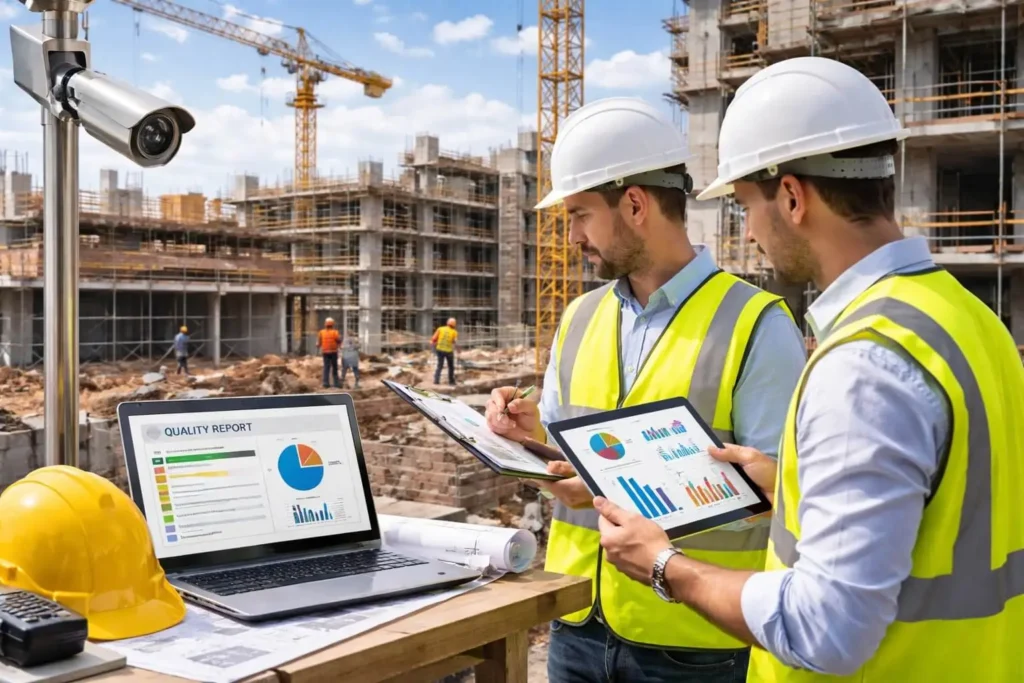
If you are a builder or a site lead, you may wonder how to monitor construction site quality without slowing the job. Quality checks are not about blame. They catch small mistakes before they become big repairs. Strong teams use simple routines that fit daily work. They review plans, watch key steps, and record what they see. When you track results the same way each day, you spot patterns early and fix them fast.
This guide shares practical methods you can use on most projects. You will learn what to check, when to check it, and how to keep proof. You will also see how to talk with crews in a calm, respectful way. With steady checks and good notes, you can reduce waste and deliver a clean finish today.
Set Standards Before Work Begins
Quality starts before the first tool is used. Hold a short meeting with the crew and review the plans, specs, and approved samples. Point out the areas that must look exact, like tile lines, door gaps, and concrete edges. Agree on basic checks, like level, plumb, and square, and show how they will be measured. Make a small mockup if the finish is new, such as a wall section or a trim corner. Make sure everyone knows who can answer questions on site. If something is unclear, ask before building it. This saves time and money.
Add the key rules for each step, such as fastener spacing, sealant type, and required cure time. Include hold points where work must pause for a check before it gets covered. Keep the checklist in a binder or on a phone app, but use the same format every time. When the crew sees the same checks each week, the standard feels normal, not personal. Post it in the site office so new workers can follow it on day one too.
Do Daily Walk Through Inspections
Do a quick walk through at the same time each day. Start at the entry and follow the flow of the work so you do not miss rooms. Carry a tape measure, a small level, and a flashlight. Use the same checklist each time, even if the site is busy. Look for clean lines, solid connections, and safe storage. Check that drawings on site match the latest revision. Ask one worker to explain what they are doing and why. This talk can reveal a wrong detail early. Also note weather, since rain and heat can change how materials cure.
Focus on items that will be hidden soon. Before drywall, check stud spacing, blocking, and any fire stopping. Before concrete is poured, check forms, rebar size, rebar spacing, and embed locations. Before closing a ceiling, check duct supports and pipe slope. Take clear photos, write short notes, and mark the exact spot on a plan. Use bright tape to tag problems so crews can find them fast. If you find an issue, stop that part of the work and agree on a fix time. Come back the next day to confirm the fix fully, then sign it off in your log.
Control Materials From Delivery To Install
Many defects start with the wrong material. When a delivery arrives, inspect the label against the approved submittal. Confirm size, grade, and model number, and look for damage from the shipping. Count the pieces so you know nothing is missing. Ask for test reports or certificates when required, like for steel, rebar, or fire rated doors. Keep products dry and off the ground. If bags are torn or boxes are crushed, take photos right away and report it. Do not let damaged items get installed, even if the schedule feels tight.
Store materials, where they will stay clean. Stack sheets flat, keep lumber spaced so air can move, and protect insulation from moisture. Follow temperature rules for glue, sealant, and paint, since cold and heat can ruin them. Track batch numbers for items like concrete, sealant, and the paint, so you can trace problems later. For mixes and coatings, check the date and read instructions. Measure water and mix time the way the maker states. Keep one sample or photo of key finishes, like tile, grout color, and cabinet stain, so everyone matches the same look. By controlling materials, you remove a big risk before the work even starts on site.
Keep Strong Records And Clear Follow Up
Good notes protect the project. Use a daily log to record who was on site, what work happened, and what inspections were done. Save copies of approvals, like submittals, shop drawings, and test results, in one folder. Make sure everyone uses the same file names so records stay tidy. If you use photos, name them by date and area. This makes it easy to find proof later when questions come up.
When you spot a problem, record it as an issue, not a complaint. Describe what you saw, link it to the plan or spec, and list the fix. Assign one owner and one due date. Share the issue the same day so no one is surprised. Use a simple punch list that shows status, like open, in progress, and closed. If the fix needs a decision, send a clear question to the designer or owner and log the reply. After the fix, take an after photo and note who verified it.
Read more about: What Is A Construction Site Safety Audit?
Use Testing And Closeout To Confirm Results
Also plan pressure tests for pipes, leak tests for roofs, and air balance checks for HVAC when needed. Book inspectors ahead of time so work does not wait. Tell crews what must be ready before the inspector arrives. When a test happens, watch the setup and verify the sample location is correct. Ask for the report quickly and file it with the date and area. If a test fails, stop, fix, and schedule a retest.
Near the end, do a room by room review with the drawings in hand. Open and close doors, run water, and test lights and outlets. Inspect finishes under bright light so scratches and stains are easy to see. Verify safety items, like handrails, smoke alarms, exit signs, and clear paths. Build a closeout pack with manuals, warranties, and as-built notes. Get sign off for each room after fixes.
What Is A Construction Site Safety Audit?
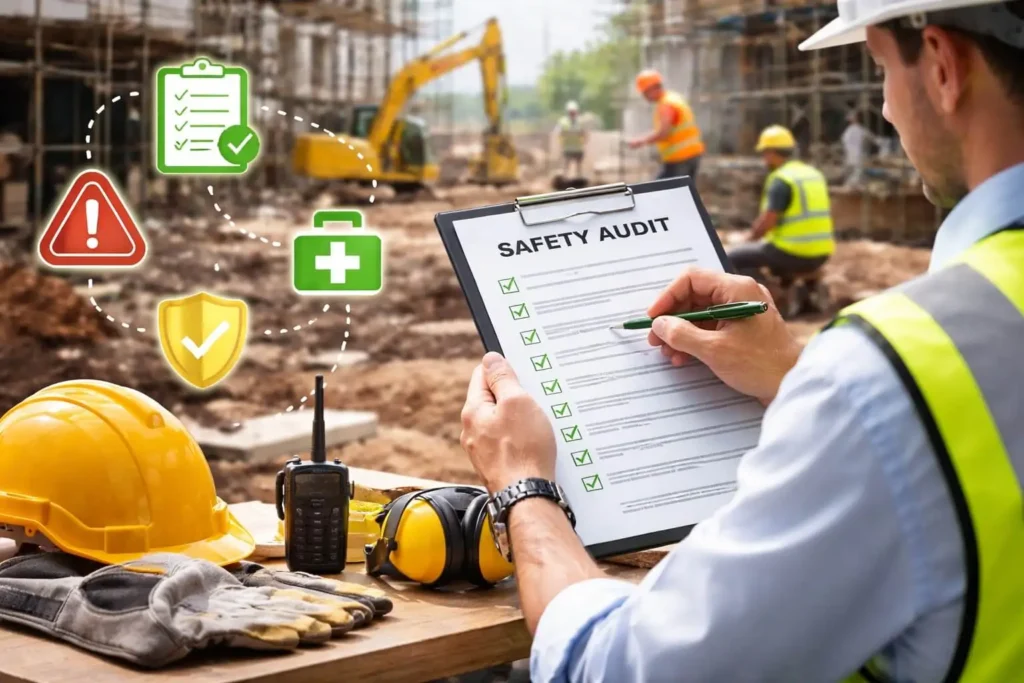
Many people ask, what is a construction site safety audit? It is a planned check of how safe the work area is, how well rules are followed, and where risks are hiding. It looks at people, tools, gear, and paperwork. It also checks if the team knows what to do in an emergency.
A good audit does not try to blame anyone. A good audit tries to spot problems early and fix them fast. That can lower injuries, slowdowns, and costly damage. It can also help a crew build better habits each day, even when the job is busy and noisy. It should end with clear actions, owners, and dates. Some teams also compare results over time so they can see progress and keep leaders honest for the next audit.
What the review covers on a busy workday
An audit checks more than hard hats and warning signs. It looks at how work is planned, how tasks are explained, and how crews control danger as the job changes. The auditor may review permits, training records, and daily notes. The auditor will also watch real work, like lifting, cutting, and working at height. That helps catch rushed shortcuts when schedules get tight later.
The auditor also checks if the site has a clear safety system. That includes who reports hazards, who fixes them, and how fast action happens. Good audits look at housekeeping, traffic flow, storage, and tool condition. They also check if emergency routes are clear and if first aid supplies are ready. Many teams use a checklist so nothing is missed, but the best audits still use plain judgment. When a risk is found, the auditor writes it down, explains why it matters, and asks for a fix with a due date. Notes photos and follow up calls help make sure fixes happen and stay done.
Who should take part and how to keep it fair
A safety audit works best when the right people take part. A supervisor can explain the schedule and the rules. A worker can explain what really happens when the plan meets mud, noise, and time pressure. A safety lead can match findings to company policy and local rules. You can also invite a subcontractor rep, since they may bring different tools and risks. If the job uses cranes or scaffolds, include the competent person for those systems during the audit walk.
To keep it fair, start with a simple message. The audit is about the work, not about blaming a person. Auditors should ask open questions and listen. They should use the same checklist each time, so results can be compared. They should share results quickly, while the day is still fresh. That builds trust and reduces injuries. If the audit finds a serious risk, stop and correct it before work continues. Document what you changed and why. This helps show due care if an inspector asks later today.
The high risk areas most teams miss
Many findings fall into a few big risk areas. Falls are a top concern, so auditors look at ladders, scaffolds, guardrails, and floor openings. They check if workers use the right fall protection and if anchor points are strong. Electrical risks are next, so they check cords, panels, wet areas, and temporary power setups. They also look for clear labels and safe lockout tagout steps. Ground work brings its own dangers. Trenches can collapse, so auditors check shoring, slopes, access ladders, and spoil piles. Heavy equipment can strike people, so they watch traffic paths, spotter use, and backup alarms.
They also check lifting work, like cranes and hoists, for rigging condition and clear signal rules. Health hazards matter too. Auditors check dust control, noise, and how chemicals are stored and used. They look for eyewash access and clean drinking water. They also check housekeeping, since clutter causes trips and hides hazards. PPE use is checked, but auditors also ask if gear fits and is in good shape. Heat and cold plans matter on long jobs, so they check shade, breaks, and warm up areas. They also look at first aid training and how near miss reports are handled each week.
How to walk the job and ask the right questions
Start with a quick review before you walk the site. Look at the day’s plan and any recent incident notes. Pick the areas with the highest risk first, like work at height, lifting, and electrical tasks. Tell the crew what you are doing and how long it will take. Then walk slowly and watch how work is done, not how it is described. Ask simple questions that help you learn. Ask what could hurt someone in this task. Ask what controls are in place. Ask what would make the worker stop the job. Check that controls match the risk, and check that people can explain them.
Take clear notes with location and time. If you see something unsafe, address it right away. At the end, review your notes with the supervisor and a worker rep. Agree on actions, owners, and dates. Make sure serious items are fixed before the next shift. Keep the tone calm and respectful, because people share more when they feel safe. Check that tools have guards and that cords are not pinched or damaged at all.
Read more about: How to Choose a Construction Site Location?
How to turn findings into fixes that last
An audit only helps if it leads to real change. After the walk, sort findings by risk level. Fix high risk items first, like missing guardrails or unsafe power. Next, group smaller items, like storage and signs, so a crew can handle them in one sweep. Write each item in plain words so anyone can understand it. Good actions have three parts. They name the fix, they name the owner, and they name the due date. Some fixes need tools or parts, so plan for that cost early.
Share the results with the whole crew in a short talk. Ask if the actions make sense and if something was missed. Then track the actions until they are closed. Many companies keep a log and review it each week, because open items tend to get ignored. When you close an item, note what changed and take a photo if allowed. Over time, compare results to see patterns. If the same issue returns, update training or change the process. Give credit when you see safe behavior. Positive feedback makes the audit easier.
How to Choose a Construction Site Location?
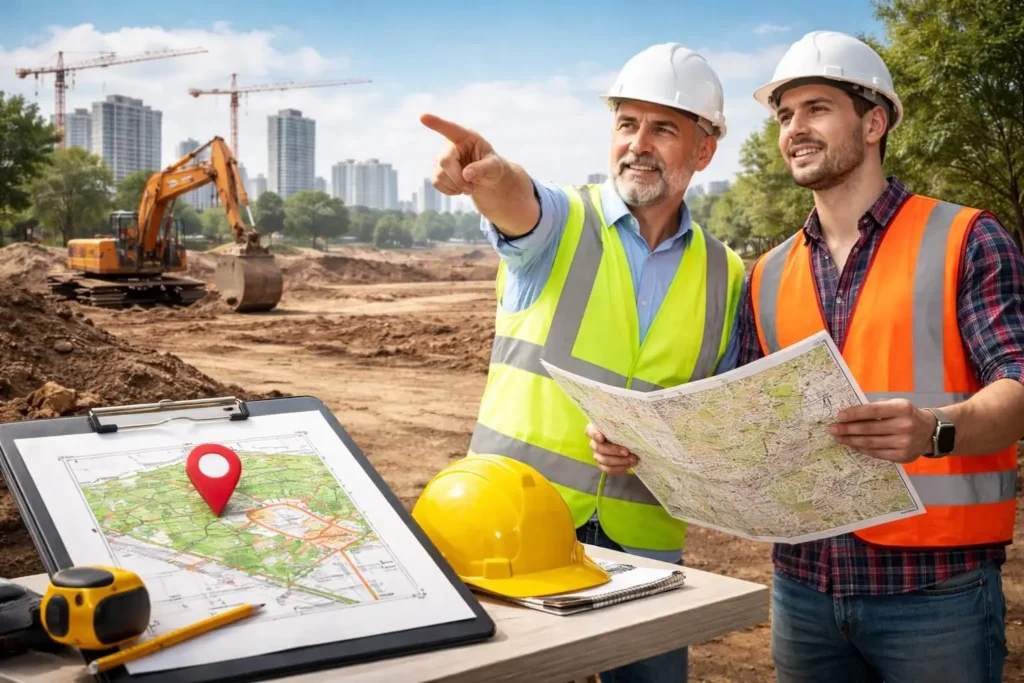
Many people wonder that how to choose a construction site location? as the safety, stability, and long-term use of a building depend on where it is. A good site can support the strong foundations, make it easy to get to, and fit the project’s requirements. If you make a bad choice, it can cost a lot of money, take a long time, and cause problems with the structure later on. People can make smart decisions before any building work starts if they know about these things. Planning ahead helps you to the avoid mistakes that might be hard or costly to fix once construction starts.
The site location affects every part of the project from the start. This will affect the design, materials, drainage, road access, and how comfortable the building will be for future users. People can avoid the risks and build with confidence when they take their time and look closely at the land. A well-planned project will last for years and meet the requirements of family, community, or business that depends on it.
Why The Environment Around You Is Important
The area around a building that is going to be built has a big impact on how well the project will go. It can be hard to live on land that is close to water, hills, or busy roads. Water could pool at the base of the building, the ground could shift, and noise could bother people who use the building. A safe and stable site fixes these problems and keeps the project on track. When the environment supports the building, workers are also safer while it is being built.
The environment also has an effect on how comfortable things will be in the future. A place that gets natural light and fresh air is better for your health. Too much shade, pollution, or poor visibility can lower the value of a building. Builders can avoid problems that last a long time by thinking about the weather, the land around them, and the natural features of the area. It’s easier to take care of a place that fits the environment well, and it works better.
How The Soil And Ground Conditions Affect The Project
The weight that a building can hold depends on the soil underneath it. Some soils stay solid, which keeps the structure safe, while others move, crack, or soak up water too easily. If the soil is bad, the foundations may need to be stronger or more support may be needed. This makes the things more expensive and takes longer. Testing the ground early shows the builders that what it can and can’t do, which helps them make good plans. The strong soil makes things stable and safe from the start.
The level of the ground also has an effect on drainage. A site which is too low may hold water, which can damage the materials used to build the building. If a site is too high, it could erode. Builders can select the best design if they know how the ground reacts to rain, heat, or freezing weather.
Access, Roads, And Future Growth
A good construction site is easy for workers, vehicles, and equipment to reach. If the road is too narrow or bumpy, it is difficult to move materials. This makes the project take longer and costs the more. Smooth access keeps deliveries on time and keeps workers safe. The building’s location should also make it easy for emergency vehicles and service providers to get there quickly once it’s done.
Some places will grow by adding new homes, stores, and services. Some places may stay quiet or even get worse. Over time, a place that can grow in the future usually becomes more valuable. In the next few years, builders should think about how roads, utilities, and land nearby might change. Planning for the future growth makes a space that will be useful and practical for a long time.
Taking Safety And Natural Risks Into Account
Safety always should come first. There can be the hidden dangers at a site near steep slopes, flood zones, or places with strong winds. Building in these places needs extra steps to keep workers and future users safe. Knowing how storms, earthquakes, or seasonal changes usually happen helps builders get ready. Taking care of safety risks early on makes the project stronger and more reliable.
Natural risks don’t always stop the construction, but they do require the careful planning. You can make things safer with using the drainage systems, strong foundations, and barriers. Knowing the history of the land helps the builders make good plans. People who use the building feel the safe when the site meets safety standards. A safe site keeps you from having to make emergency repairs and provides you peace of mind for a long time.
Why Legal Requirements And Permissions Are Important
Local rules must be followed on construction sites. If you select a site without checking these needs, so the project could be stopped. Builders can avoid the delays and unexpected changes by looking over the laws early. A place that meets the law makes everything go more smoothly. Permissions also have an effect on things like water, electricity, and sewage.
Before some sites can connect to these services, they need special permissions. Builders can better plan costs and timelines if they know what these needs are. When the site meets all legal requirements and gets the right approvals, construction can go ahead without any problems. This makes a base that will hold up the project from beginning to end.
Read more: How to Hire Construction Workers?
Structural Parts That Are Present In A Good Site
- Ground that is stable and can support strong foundations without major reinforcement.
- A design that lets the building get natural light and fresh air.
- Space around the building that makes it easy to park, walk, and get to utilities.
- A clear line that separates the property from the rest of the area and follows all local rules and zoning limits.
- Land around the building that sends rainwater away from it instead of toward it.
- During the construction phase, there should be enough open space for workers, storage, and equipment.
How to Hire Construction Workers
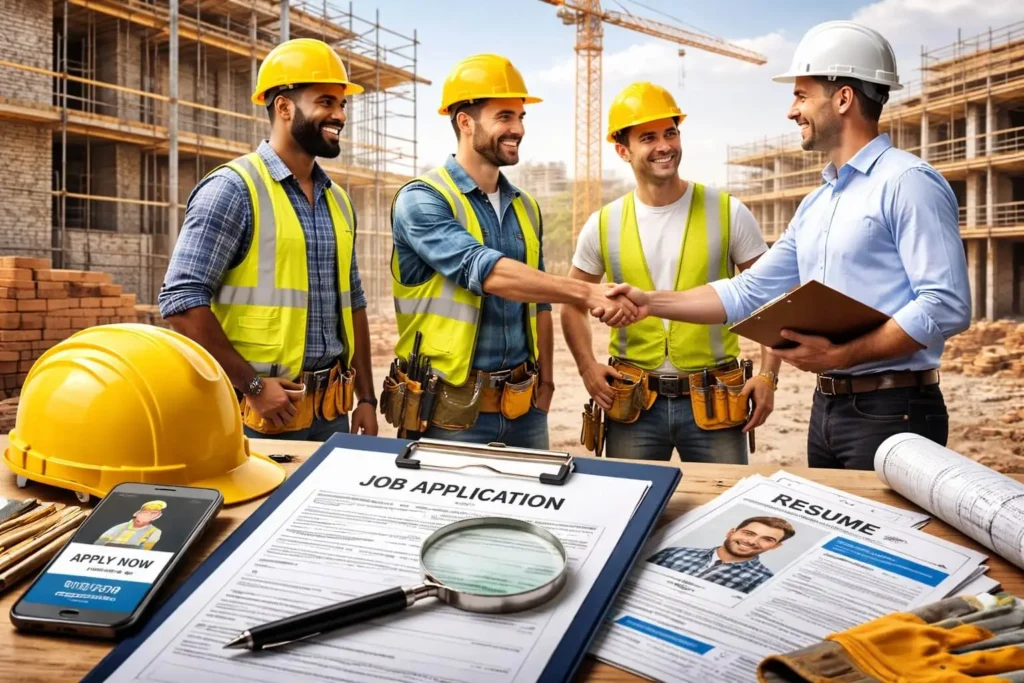
A lot of people want to know how to hire construction workers because the right team can make or break a building project. A good worker not only gets things done on time, but they also follow safety rules and keep the work area clean. Knowing what to look for can help homeowners, small business owners, and project managers avoid making expensive mistakes.
Hiring the right people also makes projects go more smoothly. People who are reliable show up on time, do what they’re told, and care about the quality of their work. This saves time and makes things less stressful for everyone. Clear steps in the hiring process help keep the project moving forward and stop people from getting confused. Making smart hiring choices leads to better results, safer job sites, and fewer delays.
Why It’s important to pick the right workers
Picking the right people to work on a project can make a big difference in how it turns out. People who are skilled know how to build things, follow safety rules, and use tools correctly. This helps cut down on mistakes and stops things from taking too long. When problems come up on the job site, experienced workers also know how to fix them quickly. Making good choices saves money and helps things go smoothly from start to finish.
The right workers also make the project better overall. Reliable workers are clear in their communication and take care of the property. They do what they’re told without having to be reminded all the time. When a team works well together, the client is less stressed and the end result is what they wanted. Choosing carefully makes the workplace safer, the work better, and the trust between everyone involved stronger. A good hiring decision helps the whole project succeed. Here are some steps to find and contact workers.
Asking friends, family, or neighbors you trust for recommendations is often the first step in finding workers. People who have just finished similar projects can give you useful advice. Local listings, trade groups, and online platforms are also good places to look. Clearly stating job requirements helps find the right people to work for you. Simple descriptions of the type of work, the timeline, and the skills needed help workers figure out if they are right for the job.
It’s important to reach out to potential workers with clear questions once you’ve found them. Asking about past projects, availability, and preferred working hours can help you find people who might be a good fit. To build trust on both sides, communication should be clear and friendly. Getting a few names and comparing their answers helps you narrow down the list. These first steps make sure that only the best candidates move on in the process, which saves time later on.
Things to Think About When Hiring Workers
- Workers who have a lot of experience deal with problems on site with more confidence.
- Clear communication keeps the project on track and helps people avoid making mistakes.
- Checking on safety habits lowers risks for both clients and workers.
- It’s easier to understand your responsibilities when you write them down.
- Workers who can be counted on help projects stay on schedule and within budget.
- Looking at a few candidates side by side helps you make a better choice.
- Looking over past work builds trust and helps get better results.
How to Check Safety, Skills, and Experience
One of the most important things to do when hiring people is to check their skills and experience. Asking for examples of their past work is a good way to see how well they do their jobs. Written summaries, photos, and references can all be useful sources of information. You can also tell how much workers know by how they talk about their process. People who work on site often do better when they explain things clearly.
You should also take a close look at safety. Asking workers about safety training, protective gear, and how things were done on the job site in the past can help make sure they follow the rules. People who work safely keep themselves, the client, and the property safe. A good safety record shows that you are professional and lowers the chances of accidents. Checking both skill and safety history makes the hiring decision more reliable and well-informed.
Why Clear Expectations Lead to Better Results
Setting expectations early helps workers know what they need to do. Clear job descriptions, deadlines, and responsibilities help people understand what they need to do. When workers know exactly what they need to do and how the project will move forward, they feel more confident. Talking about tools, materials, and working conditions also helps everyone get ready. Clear instructions make the workplace run more smoothly and cut down on confusion.
Expectations also help people work together. Workers are more likely to stay organized and motivated when they know what the rules are and what the goals are. A clear plan tells the project what to do from start to finish. This helps keep stress low, improve quality, and avoid delays. When workers know what they need to do, they can give their full attention to their work and do a good job. One of the easiest ways to make sure a building project goes well is to talk to each other.
Read more about: Is There A Construction Noise Limit In Cayuga Heights?
Choosing the Last Person to Hire
After looking over all information gathered, the final choice should be made. Comparing candidates based on their skills, communication, safety, and attitude can help you find the best fit. Picking someone who is polite and can talk to you well usually leads to a good experience. It’s important to trust the worker because they will be doing important work that affects the whole project.
Availability and dependability should also be taken into account when making the final decision. A worker who is on time and keeps their word is more valuable than someone who has skills but bad habits. Once the choice is made, writing down the details of the job can help avoid confusion later. A clear and friendly agreement is the first step toward a good working relationship and a successful project.
Is There A Construction Noise Limit In Cayuga Heights?
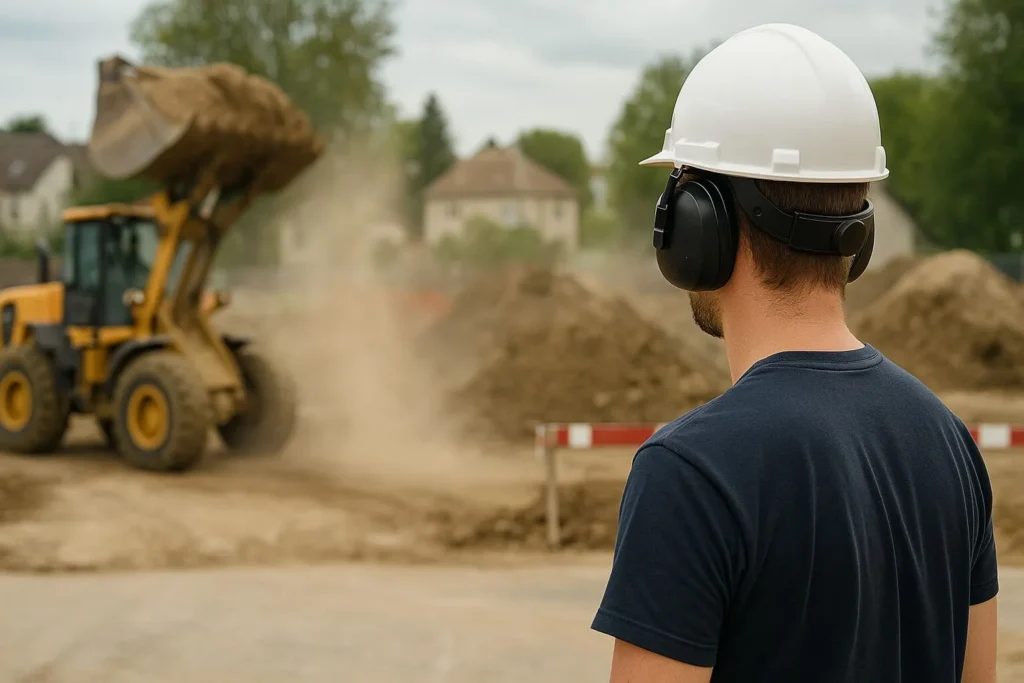
A lot of people want to know is there a construction noise limit in Cayuga Heights? People always ask this question when new projects start near homes or schools. Construction can help things move forward, but the noise can get in the way of morning routines, family time, or work-from-home schedules. Knowing the rules helps people who live there know what kind of noise is okay and what is too much. It’s easier to stay calm and feel in control during loud construction times when people have clear information.
It’s good for builders to know the rules about noise, too. They can plan their daily tasks to meet the needs of the community. Construction goes more smoothly and with more respect when everyone knows the rules for when they can work and how they should act.
Why noise limits help keep the peace in a community
For a community to be peaceful, people need a place to relax, work, and spend time with their families. This balance can be thrown off by construction noise that is constant or suddenly gets louder at odd times. For parents with young kids, loud noises can wake them up from their naps. Older adults may experience stress due to noise. It can make it hard for students to concentrate. Limits protect these groups by making sure that everyone has a fair chance to use the space.
Noise limits also help people in the same area get along and understand each other. Residents know that builders care about their comfort when they follow the rules. This makes workers and neighbors trust each other more. Families feel better when they know that loud activities will only happen at certain times. The neighborhood stays stable and fun because there are fewer surprises and fights. These rules don’t stop progress. They just make sure that growth happens in a way that is respectful and well thought out.
Typical Time Frames for Loud Work
Most towns pick daytime hours for loud construction work because these times cause the least trouble. People are usually awake, busy, and outside of their homes during the day. These hours give workers enough time to finish hard tasks without bothering people who like to keep things quiet in the morning or evening.
Knowing these hours gives residents a sense of stability. They can schedule their most important tasks for times when there are fewer people around. Builders also benefit because they can do heavy work when they are allowed to and save lighter work for the early morning or late afternoon. This makes a natural rhythm that helps both work and peace. There is less confusion, fewer complaints, and a better experience for everyone in the community when everyone sticks to the same schedule.
Things to remember when construction is going on nearby
- Construction schedules often follow community rules, so it’s a good idea to check the official hours to know what to expect.
- Builders usually try to keep things quiet when neighbors talk to each other politely.
- When both sides talk about their problems early on, many noise problems get fixed faster.
- Planning quiet things to do when there isn’t any construction going on can help reduce stress at home. • Officials can help by making sure both residents and workers know their rights and duties.
- When everyone is patient and works together, projects go more smoothly.
- Being aware and ready makes construction times easier for all families.
What Local Officials Do About Noise Complaints
When noise complaints go up, local officials often get involved, especially when big building projects are going on. They want to keep the peace in the neighborhood while construction goes on. An official may go to the area, hear the complaints, and talk to the construction team when a complaint is made. Officials work hard to make sure that both residents and builders are happy.
Officials can also help builders by reminding them of the rules in their area and suggesting changes. They sometimes give out printed rules or put up information online about when loud work is okay. This helps keep things from getting confused in the future. Trust grows when people feel like their problems are being heard and fixed quickly. The goal isn’t to stop construction; it’s to make sure it happens in a safe way. Many problems can be fixed before they turn into big fights if people talk to each other.
How people who live there can lessen the effects of noise that is always there
People who live near construction sites can do small things to make the noise easier to deal with. The first step is usually to talk to the construction team. A lot of builders are willing to work together on some tasks so they don’t bother people during sensitive hours, especially if the request is polite and reasonable. When you talk to each other openly, it can make stressful times easier to handle. When people understand what each other needs, it makes things calmer.
Families can also change their daily routines when there is a lot of construction going on. Keeping windows closed, playing soft music in the background, or moving study sessions to quieter rooms are all easy things you can do that will make a big difference. If the noise doesn’t stop or stays too loud after the allowed hours, you can call local officials for help. These small changes make sure that families are still comfortable while construction can continue in a responsible way.
Explore more: Do Ohio New Construction Home Need Termites Control?
Why Respect Is Important for Builders and Residents
Respect is a strong way to keep construction sites calm. When builders follow noise rules, it shows that they care about the people who live nearby. This polite behavior makes the people less angry and helps them stay calm.
People in the community also help keep this respectful relationship by knowing that building is needed for growth, improvement, and community development. Building work is needed for homes, roads, and public spaces. When both sides talk to each other calmly and try to understand each other, they can find solutions more easily. Respect makes tough situations easier to handle.
Do Ohio New Construction Home Need Termites Control?
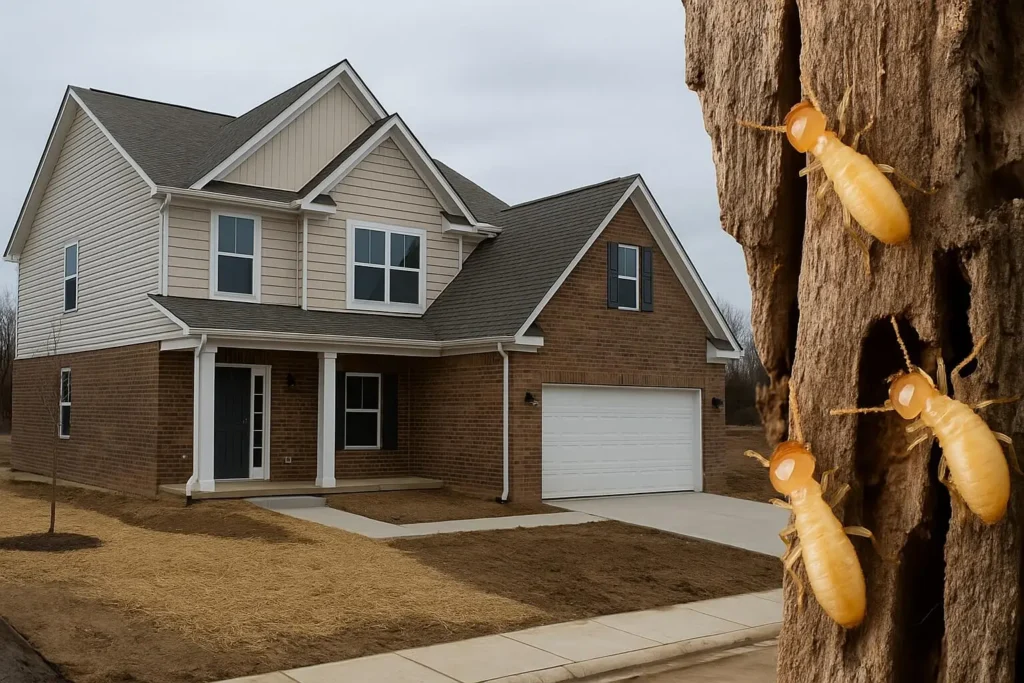
Many people who own homes in Ohio want to know do Ohio new construction home need termites control? This question is important because termites can get into homes in Ohio even when they are brand new. Termites live deep in the ground and can get to new foundations before anyone sees them. Even though builders have to follow strict rules for how to build, termites can still find new wood, tiny cracks, or wet spots where they can live.
A new home can only be safe if the owners know how termites act. People who own homes can keep their homes from getting long-term damage by learning the warning signs and doing something about them. A homeowner who knows how to take care of their home will save money, avoid stress, and keep it healthy for a long time.
Why you should know about termites in new homes
People think that termites only attack old buildings because new homes look and feel strong and clean. Termites don’t care how old a building is; they just want the wood and water. They really like new wood that they find in buildings that are still being built. Termites can live in even small amounts of water that are hidden in walls or near the ground. This is why you should be aware from moment you get the keys.
Being aware also helps people who are new to homeownership ask good questions. They can find out if the builder used wood protection, soil treatments, or physical barriers. Follow-up care is still important in Ohio because of the type of soil and how much moisture it gets. Buyers feel better when they know what to expect, and they can plan early checks that protect the house from damage.
Things New Homeowners Should Be Aware of Right Away
At first, signs of termites are usually small. If you see mud tubes on the outside walls or near the foundation, it could mean that termites are making tunnels. Little holes in the wood or piles of dust can also mean that something is going on. Even in a new house, you should pay attention to these signs. Termites can work quietly and do damage before you see them.
Changes in the sound or feel of things inside the house can be signs. If you tap on wood and it sounds empty, or if the floors feel uneven, it could be a sign. If doors or windows suddenly get stuck for no reason, it could mean that the wood frame is shifting. Learning these simple signs can help homeowners find problems early. Taking action right away stops costly repairs and keeps the new home strong.
Why termites are more likely to live in Ohio’s soil and moisture
Termites like Ohio’s soil because it holds moisture well. Termites can move underground and stay safe while they look for new wood sources in wet soil. If the ground stays wet for too long, termites can even get into new foundations. Water can pool near the walls of a house if the land around it isn’t graded properly. This makes it more likely that termites will come.
Moisture can also come from pipes that leak, plants that are too close together, or mulch that is too close to the house. If there is moisture near wood, termites can move in before the homeowner knows it. Taking care of the outside area is the best way to lower risk. To lower moisture, you can clean the gutters, improve drainage, and not water too much near the house. These simple steps make it harder for termites to live and spread.
Things homeowners should keep in mind
- Termites can get into a house even if it is new, so it’s important to check it early.
- Termites like new wood and moisture that isn’t easy to find.
- The ground in a lot of Ohio stays wet, which helps termites move around.
- Simple things you can do to lower your risk include keeping wood and mulch away from the walls.
- Regular checks by licensed professionals offer strong protection for a long time.
- Termites are less likely to find a place to grow if there is good drainage around the house.
- Keeping an eye out for little things like mud tubes or wood that sounds hollow can help keep big problems from happening.
New Homeowners Should Do These Simple Things To Avoid Problems
It’s easy for new homeowners to keep termites out of their homes early on. The first thing you should do is keep wood piles, mulch, and cardboard away from the walls. These things make it more likely that termites will get close to the house. Cutting back plants so they don’t touch the house is also helpful. Termites can get into a building more easily through clean, open areas.
Professional inspections give you even more peace of mind. Experts look in places that owners can’t easily see and use tools that find signs of activity early on. You only need to check new homes once or twice a year. These checks make the property very safe. It’s easy, cheap, and a lot better to stop damage before it happens.
Read more: How Do You Install A Metal Roof?
The Benefits of Hiring Professionals Who Are Licensed to Deal with Termites
Ohio’s licensed termite experts know how the soil changes with the seasons and how termites behave. They can spot dangers that new homeowners might not see. Professionals use the special treatments that can reach the deep parts around the foundation and keep the home safe for a long time. Their knowledge helps keep the home safe, even when things outside change.
You can also relax knowing that trained professionals are doing the work. They make a plan based on the size, shape, and location of the object. This personal touch keeps the house safe year after year. Homeowners can protect their investment and not have to worry about future termite damage if they hire qualified professionals.
How Do You Install A Metal Roof?
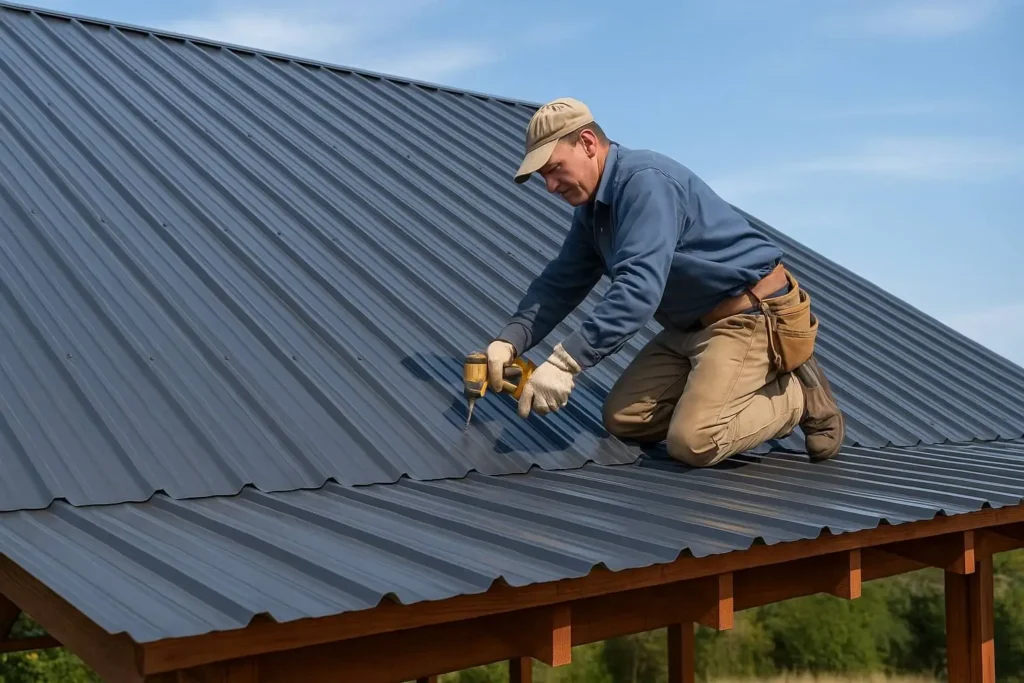
A lot of people want to know how do you install a metal roof. It takes planning, patience, and the right tools to do this. A strong roof keeps your home safe from rain, wind, and heat. People like metal roofs because they last a long time when they are put up correctly. People like it because it’s strong and it makes their homes worth more.
Before putting on metal roofing, builders check the structure of the house and get the roof ready. They make sure that everything below is strong enough to hold the panels. A strong foundation keeps the roof safe during storms and other bad weather. Knowing what to expect gives homeowners peace of mind about the work being done on their home.
Getting the Surface Ready Before Installation
The first step in building a strong roof is to get the surface ready. First, the workers look at the old roof or the open frame. They look for weak spots, cracks, or any soft spots that could cause problems in the future. They fix any damage right away so that the roof can support the weight of the metal panels. They also clean the area and get rid of anything that could get in the way of the installation. Preparing the surface helps the panels stay flat and doesn’t let them move.
When the surface is clean and strong, workers put a barrier on top to help keep the house safe. This barrier works like a shield to keep water out. It makes the house safer by keeping water from getting in. The roof can handle the different weather conditions once base is ready.
Simple Steps In The Metal Roof Installation Process
Step One Inspect The Roof Base
Workers begin by checking the surface under the roof. They look for soft spots, broken boards, or anything that needs repair. A clean and solid base helps the roof to stay strong.
Step Two Add A Protective Layer
A protective layer is placed on top of the base. This layer helps to keep moisture out and provides the panels a smooth place to sit. It adds extra safety for the home.
Step Three Install The Panels
The panels are placed at the bottom edge and set in straight lines. Each panel must fit tightly next to the others. This keeps water moving away from the home.
Step Four Secure the Everything
Workers use the strong fasteners to hold the panels down. These fasteners help the roof stay in place during the storms and changing weather.
Step Five Add Trim And Check The Roof
Trim is added to seal edges and corners. After finished, workers check the roof for gaps or loose parts. This final step helps keep the roof safe and long lasting.
How to Put the Panels
Placing panels in the right surface is an ideal part of making a strong metal roof. To fit with the next one, every panel requires to be lined up correctly. Workers start at the bottom of the roof and work their way up. They carefully put the first panel in place because it will help them put the other panels in place. The others will follow the right path if the first one is straight.
Once the panels are lined up, workers look at the edges to make sure nothing sticks out. When it rains heavily, the roof won’t leak if it is properly aligned. It also makes the roof look neat and tidy. Roof gets stronger when the panels fit together well. This careful placement keeps the house safe and helps the roof to stay up in all the kinds of weather.
Securing the Panels for Strength that Lasts
Next step is to lock the panels in surface once they are in place. Workers use the strong fasteners that are made for roofs made of metal. These fasteners keep the panels firmly attached to building. To prevent the panels from moving, each one goes into a specific area. Employees check their work to make sure that every fastener is tight. If they miss one, it could cause leaks or panels that aren’t tight. Secure panels keep the roof strong against wind and rain.
The fasteners also help the roof deal with hot and cold weather. When the weather changes, metal moves a little bit. Fasteners that are in the right places keep the roof safe without making cracks or gaps. The roof will last longer if you do this carefully. The house is safer when everything is safe. A roof that is well fastened keeps your family safe and your home dry.
Adding Trim for More Protection
After the panels are in place, trim is put on the roof. Trim pieces go around the edges and help keep water out. These pieces also make the roof look smooth and finished. Workers put trim around the edges, corners, and ridges. They make sure that each piece fits well by measuring it. Trim that is put on the right way keeps the house dry during storms. It also keeps the panels safe from wind and flying objects.
Explore more: Do You Need Lightning Rod With Metal Roof?
Good trim can also make the roof last longer. It stops water from pooling on the edges and slowing down drainage. Adding trim carefully makes the whole roof stronger. It also keeps bugs and small animals out of places that are hard to reach. Trim may seem simple, but it is an important part of keeping the house safe. A roof that is well trimmed keeps everything running smoothly.
Checking for safety and quality
The last thing to do when putting on a metal roof is to check the work. Workers check to make sure everything is safe by walking around the roof. They check for the panels that are loose, screws that are missing, or gaps that could let water in. They also check the trim pieces to ensure they are straight and tight.
After the checking is over, workers check to see how well the roof keeps water out. They might spray water on some parts to make sure nothing gets inside. This makes homeowners feel good that their roof can handle any kind of weather.
Do You Need Lightning Rod With Metal Roof
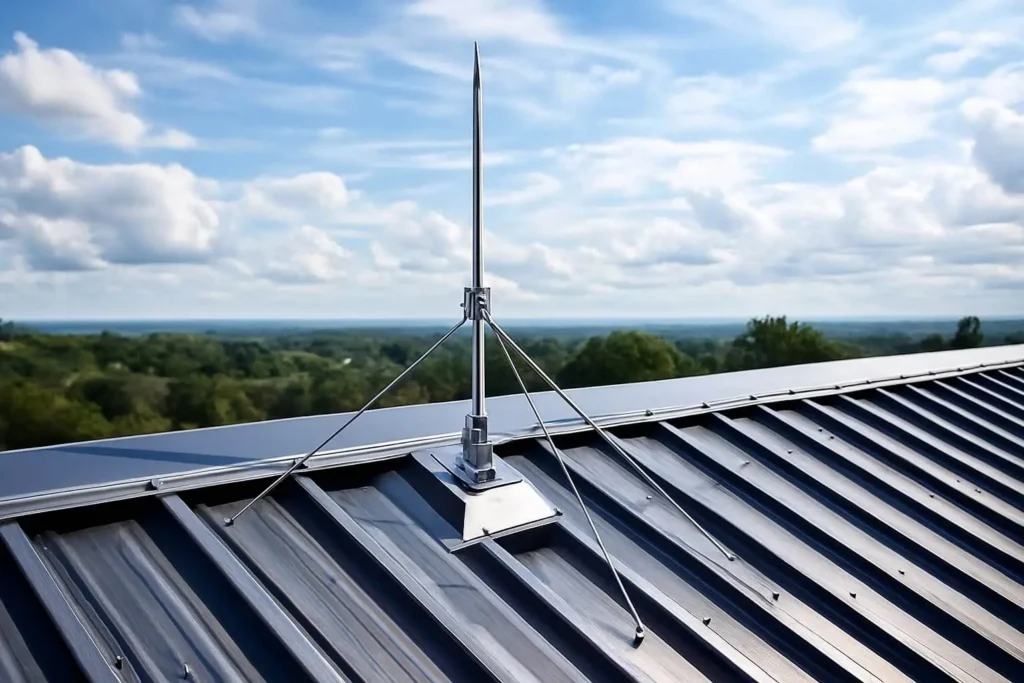
A lot of people ask do you need lightning rod with metal roof because they want to keep their home safe. People still wonder if they need extra protection, even though a metal roof doesn’t attract lightning on its own. Roofing experts say that the choice depends on where the house is and what the weather is like there. Metal roofs are strong enough to face the strong storms, however some homes may still need the extra safety tools. Before you make a decision, it’s helpful to know that how these systems work.
People who own homes want to feel safe when it rains a lot or there are bright flashes in the sky. Metal roofs are already strong, but knowing how to protect them from lightning can make you feel better. People can decide if they need a rod system, once they know what the risks are in their area. They can make a smart choice that keeps the home and family safe if they learn more.
How a metal roof deals with storms
A metal roof is built to last in the bad weather. It can handle rain, heat, and strong winds without breaking down too quickly. The roof helps keep water away from the house during storms. This keeps the inside dry and protects the building from water damage. The roof will last for a long time, even when the weather changes a lot, because it is made of strong materials.
Another good thing about metal roofing is that it doesn’t catch fire easily. This makes it safer in storms and other dangerous situations. The surface doesn’t keep heat in one place; it spreads it out. This makes it less likely that extreme temperatures will cause damage. When the roof is put on right, it becomes a strong shield that keeps the house safe in all kinds of weather.
Why Some Houses Need More Protection
Some homes need extra protection because of the weather where they live. People who live in places with a lot of storms want tools that help keep electricity from getting into their homes. These tools lower the risk of serious damage. They can also help keep appliances in the house safe. When there are bright flashes in the sky, people feel safer knowing they have more layers of protection.
The extra protection also makes you to feel better. People who own homes like knowing that they have done everything they can to keep their families safe. Some people like having an extra system in place, even if the risk of harm is low. They can stay calm during strong storms because they know their roof can handle bad weather.
How Professionals Look at Your Home
Experts check the shape and height of the roof to figure out what the house needs. They look at the area and how often storms happen. They also check out the ground around the house. Some places have homes that are close to open fields or trees that are taller. These things can change how storms act. This information helps experts come up with the safest system.
They also look at the materials at the top of the house. They want to make sure that the surface can hold more equipment if necessary. They check to see how wires and pipes move through the house so they don’t cause problems. Their job is to find the safest design that works for the house. Homeowners get why each part is important when they explain their plan.
Things That Aren’t True About Metal Roofing
A lot of people think that a metal roof pulls in strong electricity from the sky. This idea is not correct. Lightning does not strike a house because of the roof. The type of roof does not affect which house storms hit. They hit the highest or most open spot in a place. If a strike happens, a metal surface only helps spread energy more safely.
Another myth is that storms can damage a metal roof. It is actually safer because it doesn’t catch fire. The strong surface protects the home better than many other materials. It also stays in good shape even after years of bad weather. People know that metal roofing is a strong and reliable choice when they learn the facts.
How the Weather Affects Safety
Storms can make a home less safe depending on the weather. Some places have long seasons with strong winds and bright flashes. Some places only have a few storms every year. Homes in areas with so many storms may need the more safety gear. People who live in quieter areas might not need extra systems. Homeowners can make better decisions if they know what the weather is like in their area.
Experts use storm maps and local reports to figure out what to expect. Experts may suggest extra safety steps if the area has had a lot of strong storms in the past. These options keep the roof and the people inside safe. The goal is to find the right safety plan for the home so that it stays strong no matter what the weather does.
Explore more: Minimum Pitch For Metal Roof.
How to Pick the Best Safety System
The first step in picking the right system is to figure out what your home needs. A good system should fit the size and height of the house. It should also work well with the kind of roof you have. Homeowners often ask professionals for advice on what to do. The expert explains how the system works and why it could be good for the home.
People should also think about the cost and the benefits over time. A good system can last for many years and keep the house safe from damage. It can also help keep things safe inside the house. When homeowners choose their systems carefully, they feel safe during storms. It keeps the house safe and makes families feel safe even when the weather is bad.
Minimum Pitch For Metal Roof
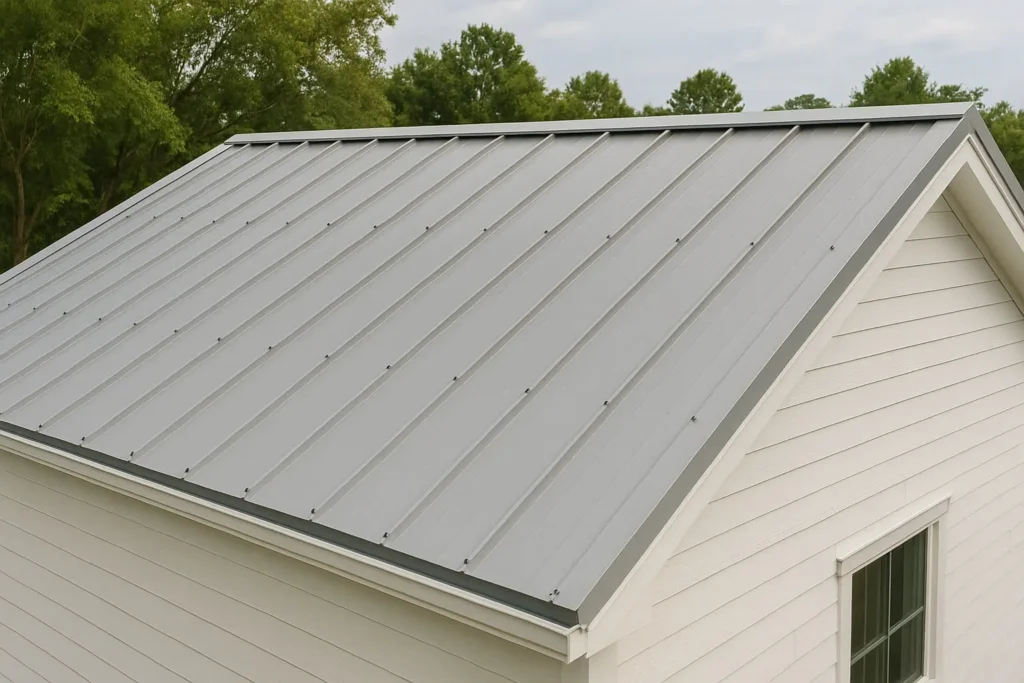
Many homeowners want to know what the minimum pitch for metal roof designs. The pitch keeps water from leaking into the house and helps it get off the roof. When the angle is right, rain doesn’t stay on the surface for very long. This means that the roof will last longer and need fewer repairs. Metal roofs are strong, but they only work well if the pitch is planned carefully.
Before starting a project, builders often explain pitch to the homeowner so they know how it helps with drainage. A right angle also makes the house look better. A roof that drains well keeps the inside dry and free of mold. Understanding how pitch works helps homeowners trust their roofing plan and make better choices.
How the pitch of the roof affects the flow of water
How the angle of the roof directs rain to the edges affects how water flows on the roof. Too flat an angle can cause water to pool and soak into weak spots. This could eventually lead to cracks or stains on the ceiling. Water can flow off the roof more quickly at a better angle. This keeps the roof material in good shape and stops leaks from happening.
When it rains, the water flows smoothly off the roof, which also helps reduce stress during bad weather. When there are heavy storms, the water moves quickly, so the surface doesn’t get too heavy. This makes the structure stronger. A well-planned pitch also lowers the chance of spills near doors or walkways because the water flows in the right direction.
Why it matters to install correctly
To stay safe, a roof needs to be put up carefully. To keep water out, metal panels must be lined up in a certain way. Water can get inside and hurt wood or insulation if the seams aren’t tight. Good installers check every detail to make sure the house stays dry all year long. Homeowners can avoid expensive repairs later on by doing careful work at the start.
The panels also need a strong base. The metal should be able to rest on the support beams and not move when the wind blows. The roof stays stable for a long time when all the parts fit together well. The roof will also last longer through storms and changing weather if it is installed correctly.
How the Weather Affects Roof Planning
The weather has a big impact on how a roof should be built. The roof needs to help reflect heat in hot places. This keeps the inside cooler and cuts down on the need for air conditioning. In places where it gets cold, the roof needs to be able to handle snow that may fall in the winter. Before settling on a final design, builders look at how the weather changes in that area.
When it rains, the roof needs to dry quickly in wet areas. This stops mold and moisture damage that can spread through walls. The roof should stay in place and not lift or shift when strong winds blow in dry and windy areas. Every type of weather brings its own problems, so you need to plan for each one. A good design fits in with the area and keeps the house safe.
Common Mistakes When Designing a Roof
One mistake is picking a style that looks good but doesn’t fit the house well. If a roof is only planned for looks, it might not drain water properly. Bad drainage can cause leaks and repairs. A good design makes the house look good and work well, that keeps it safe for a long time.
Choosing the wrong materials for the house’s structure is another mistake. Not every kind of frame works with every kind of material. It might not last as long as you think if the material is too thick or too thin. Some homeowners also forget that roofs need to be built differently in different climates. A design that works in one place might not work in another. Avoiding these mistakes helps keep the house strong and stops problems from happening in the future.
How to Choose the Best Roofing Expert
The quality of the finished roof is greatly affected by the roofing professional which you hire. A good expert knows how to work with angles, water flow, and building safety. Before providing you the options, they will carefully look over the house. This gives homeowners confidence in the plan and the materials that will be used.
It can be useful to ask for examples of their past work and talk to other customers. Good workers will be clear when they talk and take their time answering questions. They tell you what is best for the home and why. Having someone who knows what they’re doing work on your roof gives you peace of mind and makes sure it will last for many years with fewer problems.
Read more: Galvalume Metal Roof.
How regular roof care keeps your home safe
Taking care of a roof on a regular basis helps it stay strong and work well for a long time. Water flows better when you do simple things like remove leaves and check gutters. When the surface is clean, rain doesn’t stay in small areas where it could cause damage. It moves off faster. People who check their roofs often can find the problems before they get worse and cost the more to fix. Checks on a regular basis keep the roof safe all year long.
Many experts say you should check the roof after a big storm. Strong winds and heavy rain can make parts of the roof come loose or move small things that block drainage. Homeowners can stop problems from getting worse by acting quickly. Taking care of the roof a little bit every season keeps it strong. Regular care protects the home better in the long run and makes the roof last longer with fewer problems.
Galvalume Metal Roof

Many homeowners choose a Galvalume Metal Roof because it can handle many kinds of weather and lasts a long time. This option is often a good fit for people who want a roof that looks clean and strong. If you put it up correctly, it can stand up to wind, heat, and even heavy rain. It doesn’t rust easily, so it lasts a lot longer than many other common roofing materials.
Another reason people like this kind of roof is that it makes a home worth more. It looks clean and modern, and it goes with a lot of different styles of homes. If you take good care of it, it can last for a long time, which means you won’t have to buy new ones as often. This helps families save money and worry less about fixing their roofs. The way it is built also helps keep the inside of the house comfortable.
How This Type of Roof Covering Is Made
This roofing material is made in a way that makes it strong for a long time. A mixture of aluminum and zinc coats the steel sheet to keep it from rusting and wearing down. When the coating is applied, the metal is heated so that the protective layer sticks to the steel. This makes a shield that protects metal from things that are salt, moisture, and other things that usually make it break down. The end result is a material which can stay strong even when the weather is bad.
After the coating is added, the sheets are shaped and pressed into panels that are used to make roofs. After that, the panels are stacked and sent to the builders and suppliers. The layers stay smooth and even, that makes the final product look clean and high quality. The roofing material lasts a long time as it is made with such care. Every step makes sure the panels can face the wind, rain, and sun without getting the weaker. The builders and homeowners can better understand why the material works so well on a wide range of houses and buildings if they know how it is made.
Why This Type of Roof Is So Popular
It can handle heavy rain, hot summers, and cold winters without breaking down too quickly. This makes it a good choice for people who want to do less work on their car over time. People who own homes also like how it looks. The smooth surface works with both modern and traditional house styles, by making them look clean and well-kept.
Builders and contractors like this material because it makes installation faster and easier. Putting the panels in place and securing them is easy, which cuts down on the amount of time needed for labor. This helps families get their home projects done faster and get back to normal life sooner. Families might pay less for electricity in the summer because air conditioning systems don’t have to work as hard. These benefits make this type of roof very popular for new homes and upgrades that want to last a long time.
How to Take Care of This Roof for Homeowners
Most of the time, you don’t need a professional to help you take care of this roof. Homeowners can start by looking at the surface once or twice a year. It means keeping an eye out for the small signs of wear, like fasteners that are loose or places where dirt has built up. Gently cleaning the roof with water removes debris that could hold moisture.
Homeowners can wipe spots that look different from the rest of the surface to see if there is dirt or residue on them. If the issue doesn’t go away, they might need to hire a pro to look at it. Regular maintenance not only keeps the roof safe, but it also keeps it looking clean and smooth, which many people like. When homeowners do these simple things, their roof stays looking good and works well.
When it might be time to get a new one
If the protective coating wears away in big areas, the steel underneath might show through. This can make the roof more likely to get damaged by rain and snow. If homeowners see that some of their panels are worn out, it might be time to think about getting new ones. This keeps the house safe and stops bigger problems from happening.
Age may also be a reason to replace something. This type of roofing can last for many years, but it may not work as well as it used to. If homeowners notice leaks in a lot of places or a lot of signs of aging, it might be better to replace the whole thing than to make small repairs. Experts can look at the panels and tell you how much longer they will last. Choosing the right time to replace things helps keep the home safe and stops repairs that cost more in the future. Even though this material lasts a long time, families can keep their homes safe by knowing when to replace it.
Read more: Figuring Metal Roofing.
Why a lot of builders suggest this type of roof
This type of roofing is a good choice for homeowners because builders say it is a good value. It lasts a long time, so you won’t have to worry about replacing it as often. Families who choose this option often get many years of dependable service. Builders like that it is strong against the weather because it makes them sure that the homes they build will stay safe. This roofing meets the needs of many contractors who want materials that last a long time. It also makes homes look polished and well-finished because it is clean.
Contractors like that the panels are easy to work with and put up from a building point of view. Installing things faster helps keep schedules on track and cuts down on project delays. Builders also know that using a product that lasts longer than most other common materials can save them money. Families can relax and save money on repairs for a long time. Because of these benefits, many builders choose this type of roof for new homes and remodels. It has long-lasting benefits that homeowners can enjoy for many years.