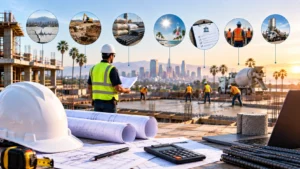
2026 is still a tough time for homeowners, builders and developers when it comes to construction costs. Rising material costs, lack of labor, and transportation costs can easily inflate a project beyond its original budget. Understanding how to reduce construction cost in 2026? is not just about spending less money. It’s about making better decisions from the beginning of the project to the final inspection.”
A project that is well planned will often cost much less than one that has many delays and unexpected changes. Most successful builders emphasize the importance of careful planning, realistic budgeting and efficient use of resources. Small design, purchasing and scheduling changes can yield big savings. When every part of a project is handled correctly, it is easier to control costs and to get quality results that will last for years.
Plan Every Detail Before You Break Ground
Many construction projects become costly because important decisions are taken too late. Before beginning any work, it’s important to develop a clear plan that includes layout, materials, labor needs and project timeline. There is less confusion during construction when everyone is on the same page as to the scope of work. Also, a detailed plan can help spot potential issues before they become costly problems.
For example, changes in the size of rooms or structural features after the project has begun may require additional labor and material costs. Often it pays to spend a little more time planning now to save a lot more money later. Good planning builds confidence in everyone concerned. Contractors will be able to schedule work more effectively, suppliers will be able to deliver on time, and owners will be able to track costs more accurately throughout the duration of the project.
Make Design Practical and Efficient
You don’t need to be complicated to be a beautiful building. In many cases, the simpler design is cheaper to build and maintain. Complex roof shapes, unusual layouts and custom structural features often call for extra labor and special materials. Choosing feasible designs significantly reduces construction costs. Simple floor plans and standard room sizes, along with readily available materials, help keep budgets in check.
Designs are easier to build and quicker for builders. Simple designs are also less likely to have construction errors. Workers spend less time fixing unexpected problems, keeping schedules and labor costs under control. Practical designs are often the best trade-off between cost, appearance and performance.
Concentrate on Material Calculations Accuracy
One of the simplest ways to waste money on a project is to order the incorrect amount of material. There is too much material tying up valuable budget funds and shortages can cause delays to work and increase costs. Both situations can be avoided by correct amount calculations. Construction estimators measure everything involved in a project before construction even starts.
Their calculations give a clear picture of material requirements, labor hours and overall project costs. This info helps contractors purchase materials more efficiently. Many builders are now using digital estimating software for more accuracy. These tools help you to avoid human mistakes and create reliable budgets. Better calculations mean better buying, which in the end supports a better financial control throughout the project.
Buy Materials at the Appropriate Time
Prices of materials can vary throughout the year. Sometimes when demand is high, if you wait too long to buy key items, you may have to spend more money. “Buying in advance allows builders to lock in prices before they increase.” Another smart way is to compare prices from different suppliers. Vendors may offer different prices, delivery terms or discounts.
The time used to evaluate options on larger projects is often reflected in noticeable savings. Bulk buying can reduce costs if you have the storage space available. This may reduce unit prices and transport costs for larger quantities. But materials should be properly stored to avoid damage before installation.
Cut Waste Throughout the Jobsite
Construction waste impacts the budget of every project. Lost, damaged or discarded materials are lost money that can’t be recovered. Careful planning and proper material handling procedures are the first step in waste reduction. Workers can get more work done faster at a safe and organized jobsite. Tools and materials are easier to locate, reducing downtime and increasing productivity.
Small organizational improvements can yield large labor savings over time. Regular monitoring is also important. The supervisor should supervise the use of materials in the construction and identify areas where waste can be reduced. Consistent attention to efficiency saves a lot of money from start to finish.
Use Technology to Make Better Decisions
Technology continues to be a great help for construction teams to keep costs under control. Today’s software allows project managers to monitor budgets, schedules and productivity in real time. This visibility helps catch issues before they become expensive problems. Digital project management platforms improve communication between owners, contractors, suppliers and subcontractors.
Faster communication means fewer misunderstandings and helps keep work on schedule. Building Information Modeling has proven to be a useful tool to identify design conflicts prior to construction. Early detection of problems reduces costly changes in the building phase. “The savings in terms of money to be made by solving problems before workers show up on site are huge.
Read more about: Concrete Crack Repair Epoxy Cost Estimation and Methods.
Frequently Asked Questions
Why will construction costs rise in 2026?
Construction costs are going up in many areas because of higher material prices, labor shortages, transportation costs and supply chain problems.
Does planning reduce the cost of the project?
Sure. By planning carefully, you can avoid the need to change the design, delays, shortages of materials and other problems that often raise construction costs.
What is the role of estimating in cost control?
Good estimating gives a clear idea of the project costs and helps to avoid the overspending on materials and labor.
How does organization on the jobsite save money?
A tidy jobsite boosts productivity, cuts down wasted time and prevents damage or loss of materials.
What technology helps a lot in controlling costs?
Some of the most effective technologies for improving the cost control in construction projects include digital estimating, project management software, and Building Information Modeling.